Guide
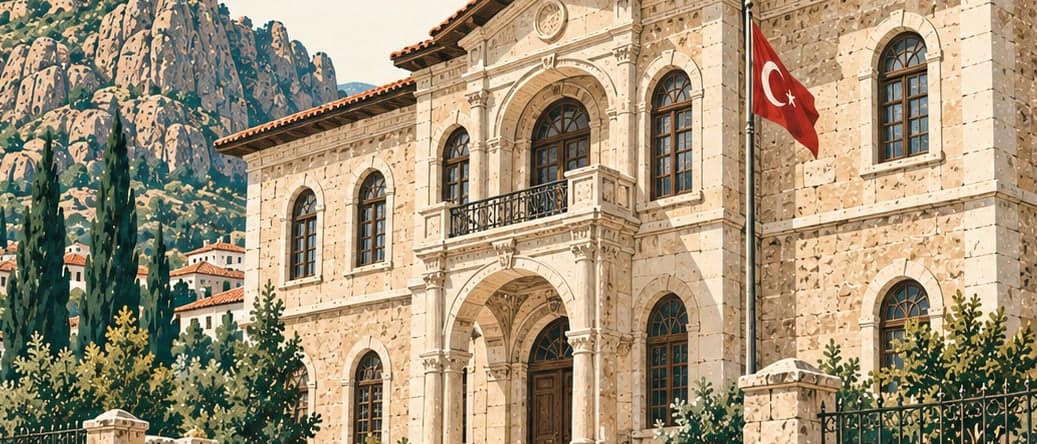
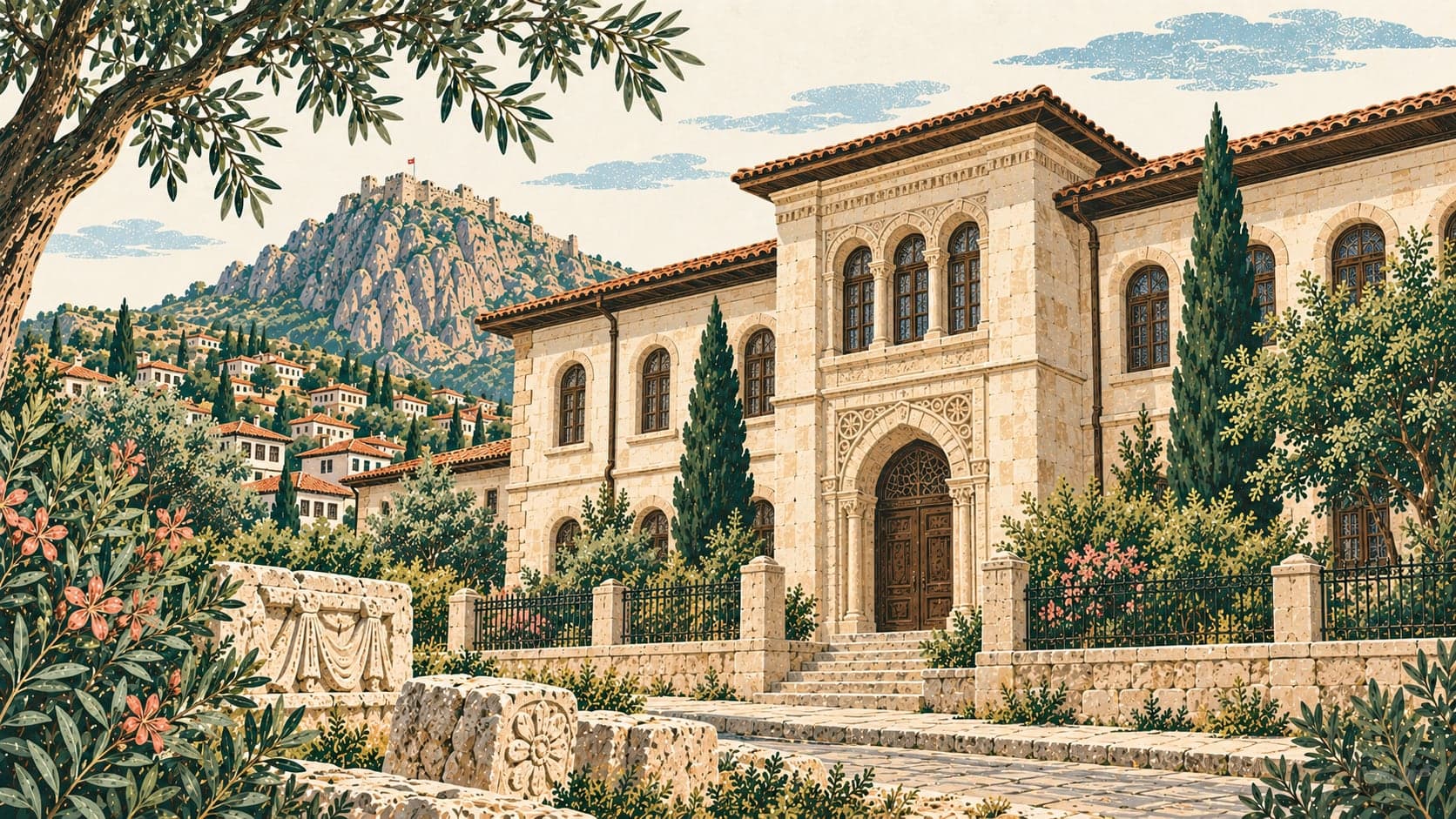
The Afyonkarahisar Museum moved in 2023 from its old building in the town centre to a new one on the Afyonkarahisar–İzmir road.
The collection holds Palaeolithic material along with work of the Hittites, the Phrygians, the Hellenistic period, the Romans and the Byzantines. Ethnographic pieces of the Seljuk, Ottoman and republican periods are shown as well, and the garden holds a large stock of sculpture and architectural pieces.
Efforts to found a museum in Afyonkarahisar go back to the first years of the republic. In the light of the historical research beginning then, work was carried on first in the local society of lovers of antiquity and later in the people's house. The first museum work was started by the teacher, researcher and writer Süleyman Gönçer, head of the friends of antiquities association, who studied the history, geography and culture of Afyonkarahisar and began storing antiquities gathered from the area. In 1931 he was appointed to carry out museum work in the medrese of the İmaret Mosque, today the Taş Medrese, and the museum was formally opened in 1933. After Bursa and Konya, it was the only museum in its region.
Important finds of the Early Bronze Age and the Hittite period were brought to the museum from the excavation at Kusura Höyük in Sandıklı, carried out between 1935 and 1937 by the English archaeologist and museum curator Winifred Lamb — one of the first archaeological excavations in Türkiye.
The Tatarlı tumulus near the village of Tatarlı in the Dinar district, dated to the fifth century, was found and damaged in an illegal dig in 1969, and the museum carried out a rescue excavation there the following year. Part of the beams of the tumulus's wooden burial chamber, decorated with figures painted in madder, had been cut away and smuggled abroad; what remained was brought to the museum, and the pieces taken out of the country were returned to Türkiye in 2004 and restored.
The museum moved in 1971 to a new building on the Konya road, and its collection grew considerably with objects gathered from Afyonkarahisar and the country around it.
The foundation of a new building on the İzmir road was laid in 2011, the construction undertaken by the housing administration in exchange for the transfer of the old museum site. After a long pause the work was finished in 2023 and the museum moved in.
On display are objects of terracotta, stone, marble, bone, glass and metal from the various periods of the region, along with sculpture and coins. The marble statues, sarcophagi, gravestones and architectural pieces say a good deal about the marble trade and the marble craft that remain an important industry in the area today.