Guide
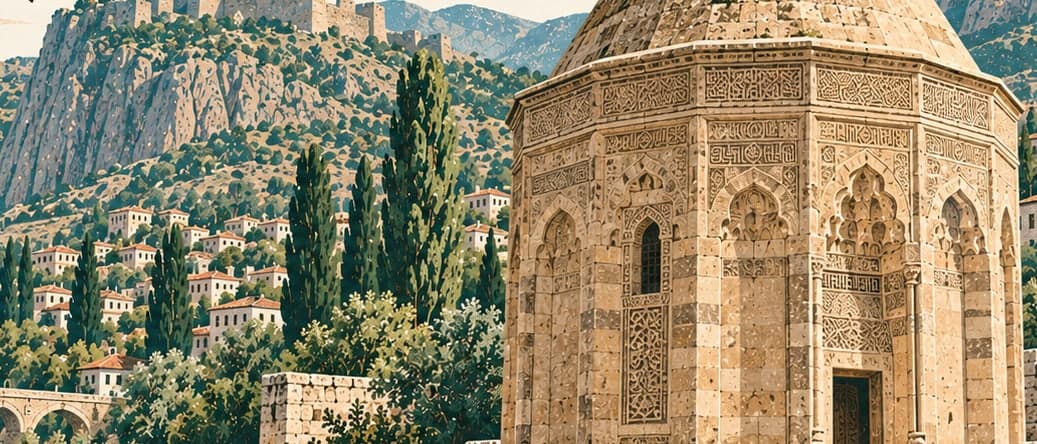
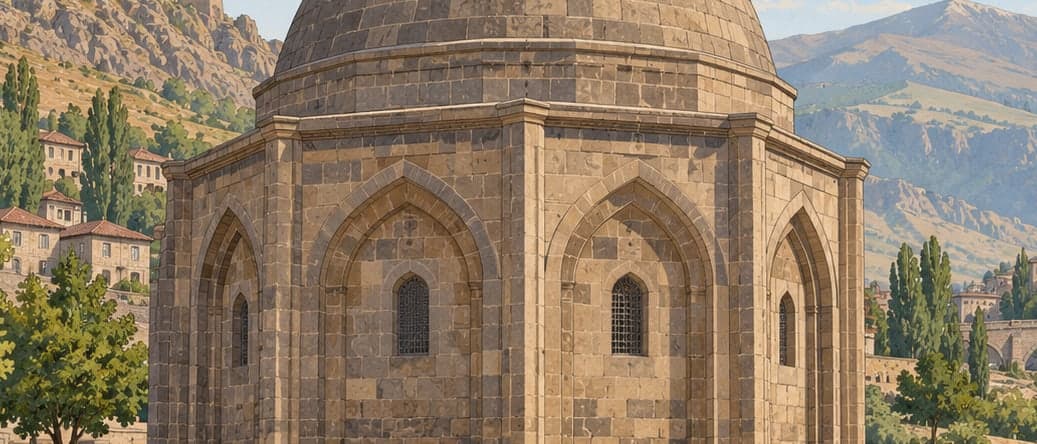
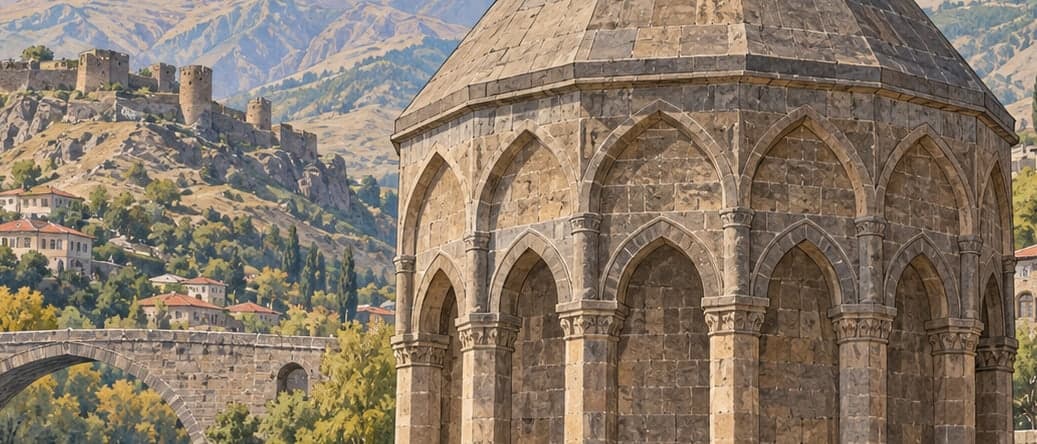
The Seljuk cemetery at Ahlat, in the Ahlat district of Bitlis, is described as the largest Turkish-Islamic cemetery of the medieval period in the world. It amounts today to an open-air museum and has been placed on the UNESCO tentative world heritage list.
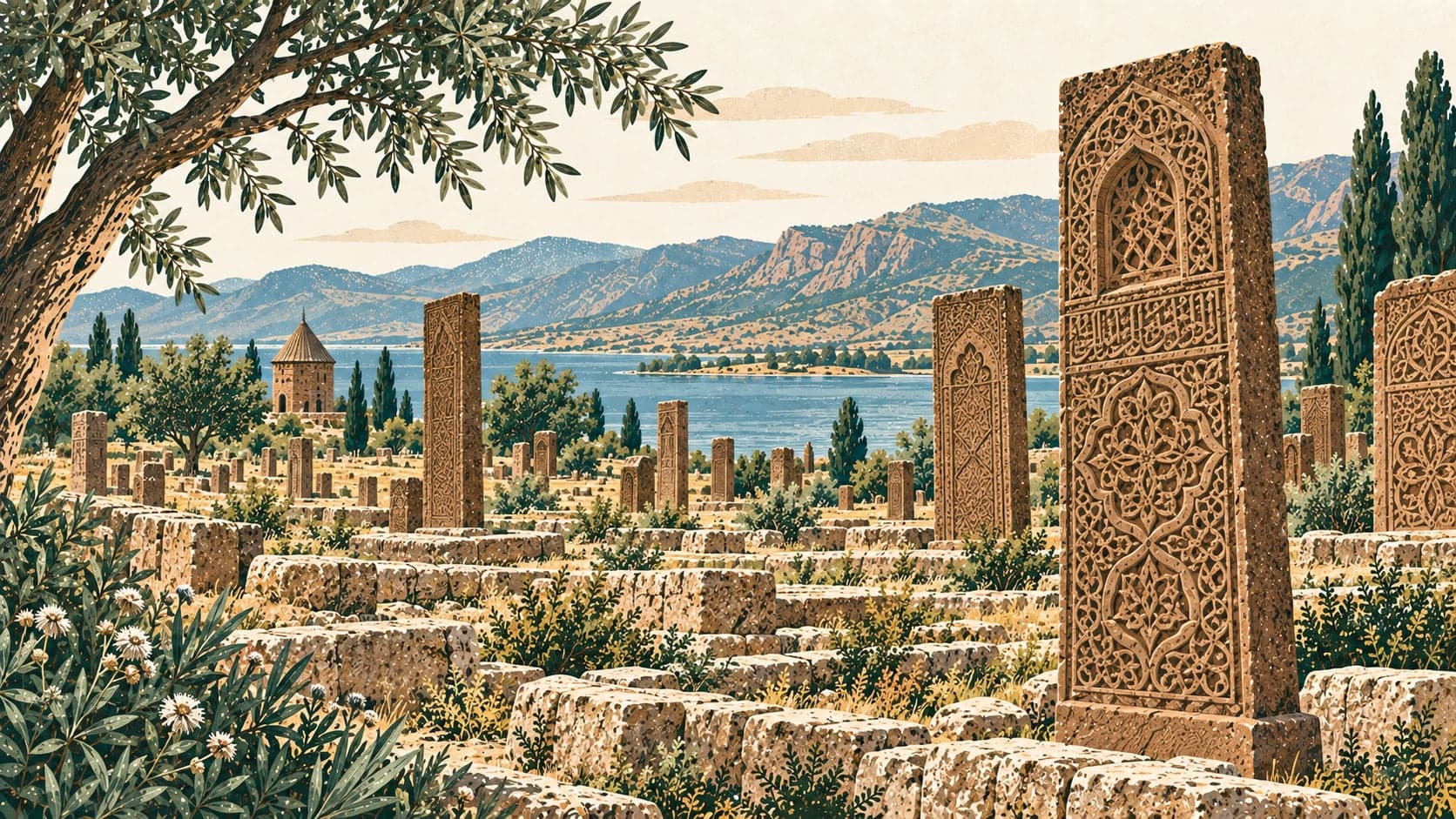
The cemetery covers 210 dönüm and holds about 8,200 gravestones of various kinds, 118 of which count as monuments. There are graves in the form of coffins with and without headstones, and there are also graves cut as chambers below ground, resembling the Turkish grave types of Central Asia.
The history of the cemetery goes back a thousand years, and it has been established that it existed even before the Marwanids. Burials were made here one above another by the different peoples and communities that ruled in the region through its history — Armenians, Rojeki, Dilmaçoğulları, Saltukids, Ahlatshahs, Marwanids, the emirate of Bitlis, Ayyubids, Seljuks and finally Ottomans. Alongside the Muslim graves, Christian and Yazidi graves have been found, perhaps in even greater number.
What the cemetery is known for are its headstones: rectangular prisms larger than the usual run of gravestones, reaching 3.5 metres in height, with striking ornament on every face. They are worked with geometric patterns and figures drawn from the Central Asian culture of the Turks — dragons, palmettes and lamps.
At the entrance to the site is a centre for archaeological study attached to the directorate of the Ahlat Museum. After the cemetery was taken into a project run jointly by the Ministry of Culture and Tourism and Van Yüzüncü Yıl University, work on its upkeep, repair and renewal began in 2010, and in the course of that work the inscriptions on seven hundred gravestones have so far been read.