Guide
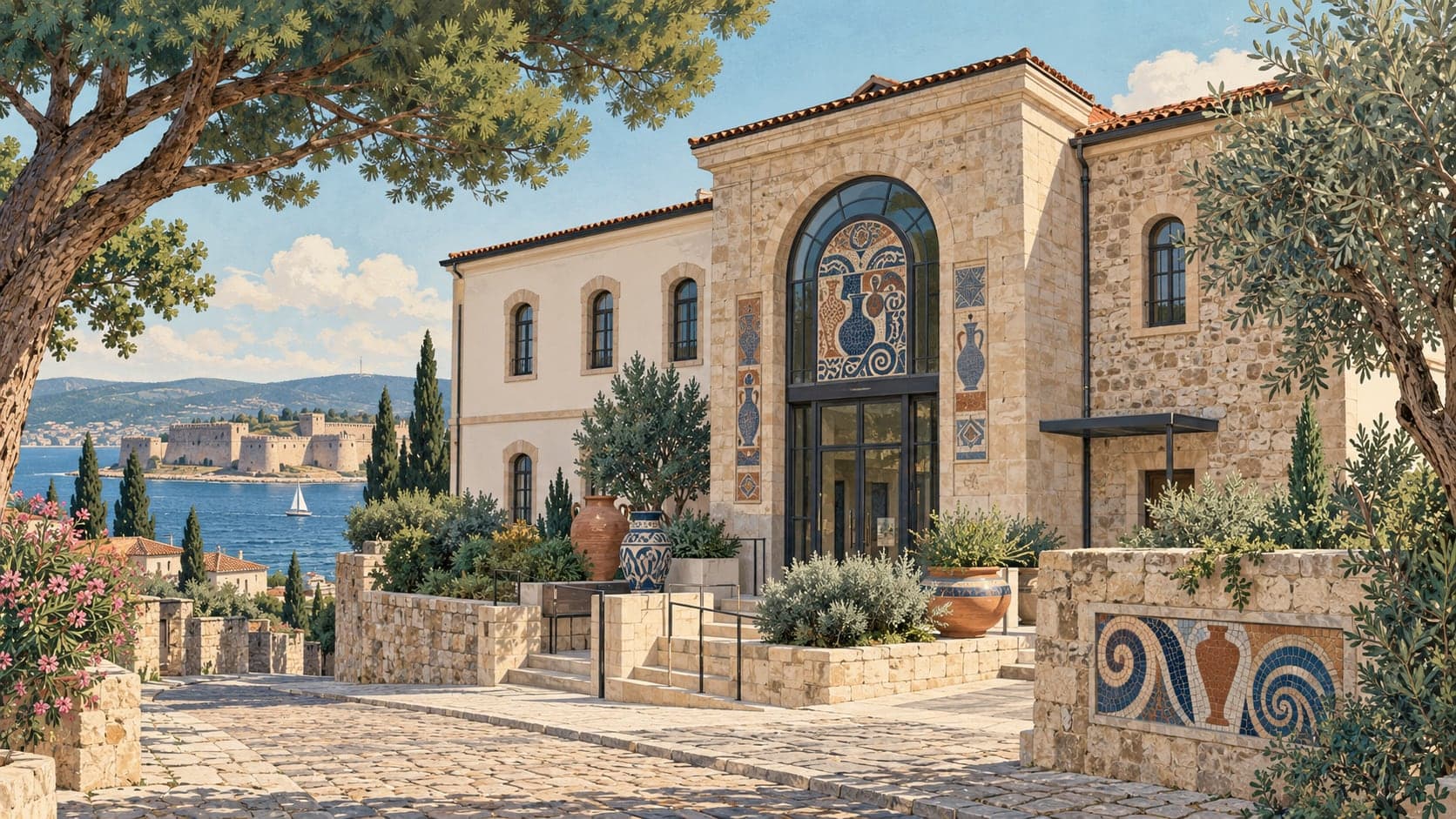
The ceramics museum in Çanakkale works out of a bathhouse. The building went up in 1906 as the privates' hamam of the fortified-zone command, and photographs taken during the British occupation of 1919, together with the marks left in the masonry, suggest it was altered and added to in the first years of the republic. It was heated in the traditional way until the 1940s, when a boiler was put in, and besides soldiers it served boarding pupils through the 1950s and 1960s.
In the early 2000s the straits command transferred the disused hamam to the municipality to be used as a ceramics museum. Survey and restitution projects were drawn up, the approvals obtained, and the restoration that followed gave the building the form it has now.
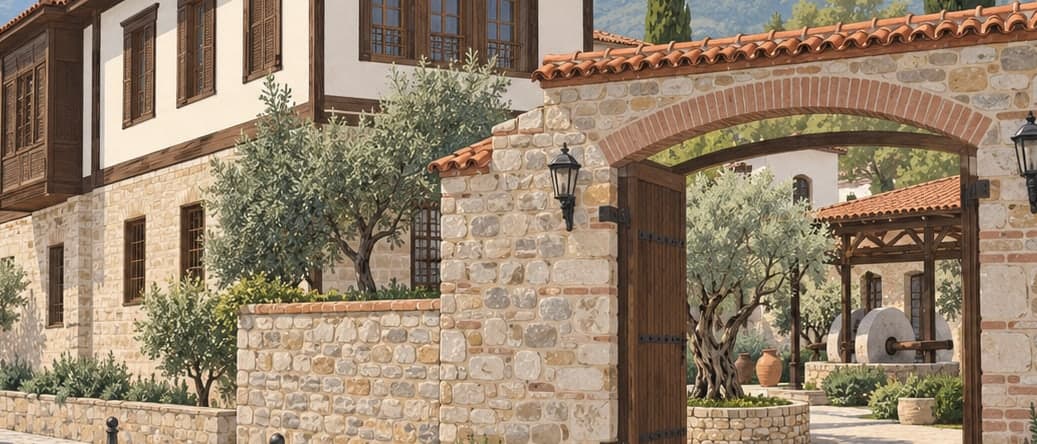
Entering from the garden door you come into a small meeting room and a hall; another part of the building opening onto the garden is set aside for restoration and conservation work and for live throwing demonstrations. The permanent display, reached from the rear door, brings together Çanakkale ceramics from several collections with the work of present-day potters and designers and material on the history and styles of fired earthenware. The upper floor is a temporary gallery running a programme of changing exhibitions planned a year ahead. Entry is free, and the events announced by the museum are free as well; it is closed on Mondays.