Guide
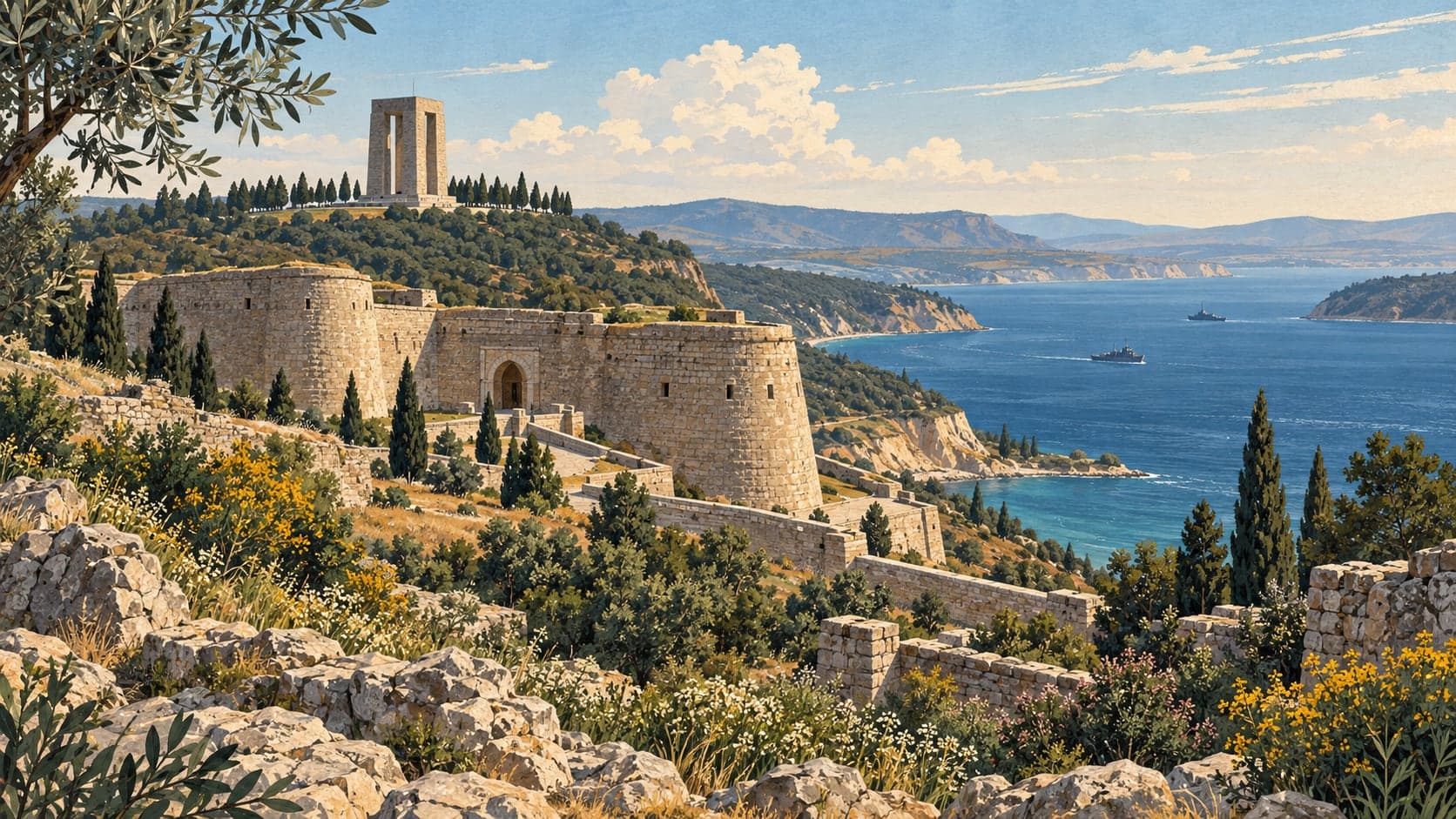
The Gallipoli historical area covers 33,444 hectares in the north-west of the Marmara region, most of it inside the Eceabat district of Çanakkale. The peninsula has the Dardanelles on its east and the Aegean to its west and south, at one of the points where Asia and Europe part.
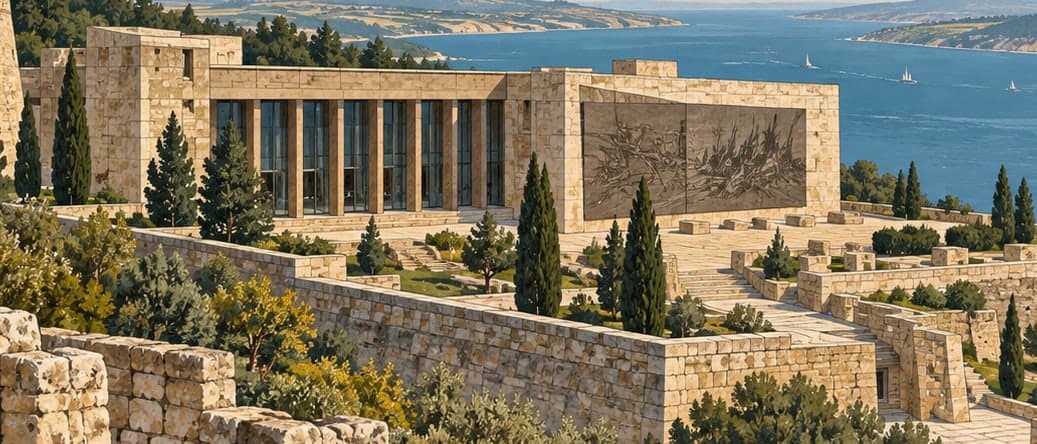
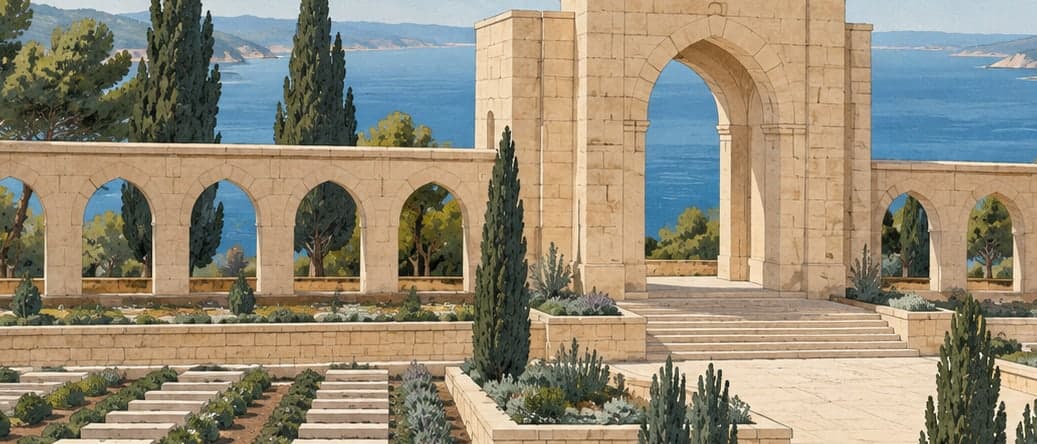
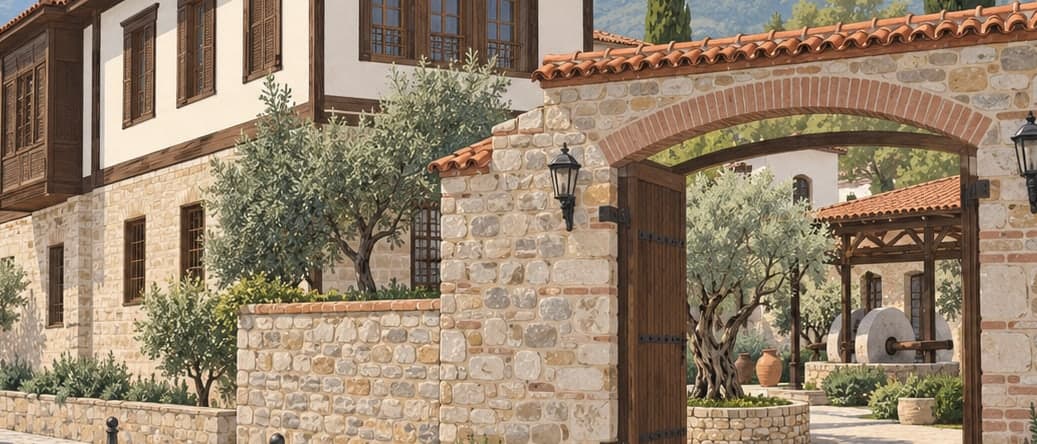
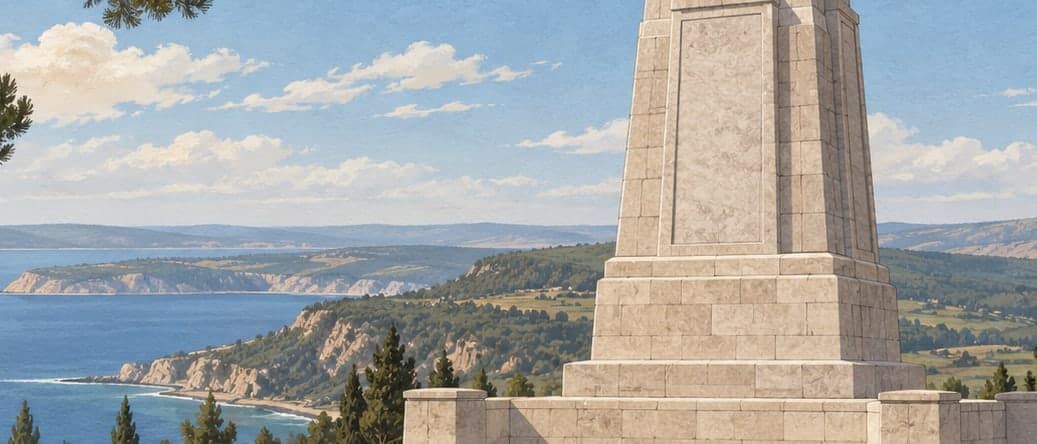
It is the most visited battlefield in the country. The fighting here between the Ottoman state and the Entente powers was among the largest battles of the First World War, and what is left of it is unusually complete: the ministry counts 138 examples of civil architecture, 49 monumental structures, 50 Turkish military cemeteries, 29 Turkish monuments and inscriptions, and 34 foreign cemeteries and monuments, alongside castles and gun batteries.
Sunken ships, guns, trenches, fortifications and hundreds of other remains lie across the ground, and among them stands a collection of fifteenth-century military architecture. The area is held up as one of the few battlefields anywhere to have survived in this state.
It is also a protected landscape in its own right, with beaches and coves, Mediterranean maquis mixed with patches of woodland, striking geological formations and a salt lake at Suvla. In 2014 the Çanakkale and Gallipoli First World War sites were added to the UNESCO tentative list.