Guide
The Diyarbakır Archaeological Museum is one of five museums under the Diyarbakır museum directorate and was the first of them; the directorate itself was founded in 1934. As the first museum in the city, it now occupies two nineteenth-century buildings within the museum complex in the inner citadel. As of 2024 the collection holds 36,000 inventoried objects.
The museum began work in 1934 in the Zinciriye medrese west of the Great Mosque, built in the time of the Artuqid ruler al-Malik al-Salih Mahmud. In 1986 it moved to a new building on Elazığ Avenue, where the displays were completed and opened to visitors in 1993. After the inner citadel was given over to use as a museum complex in 2004 the museum moved there.
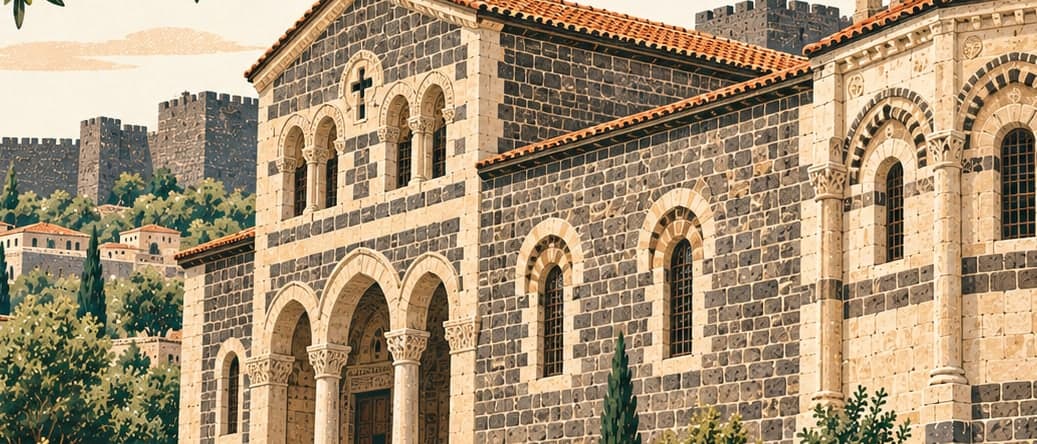
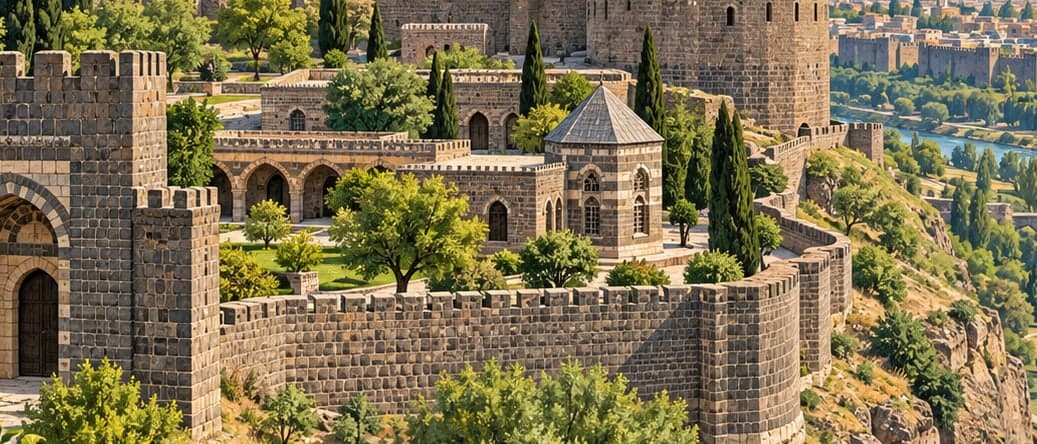
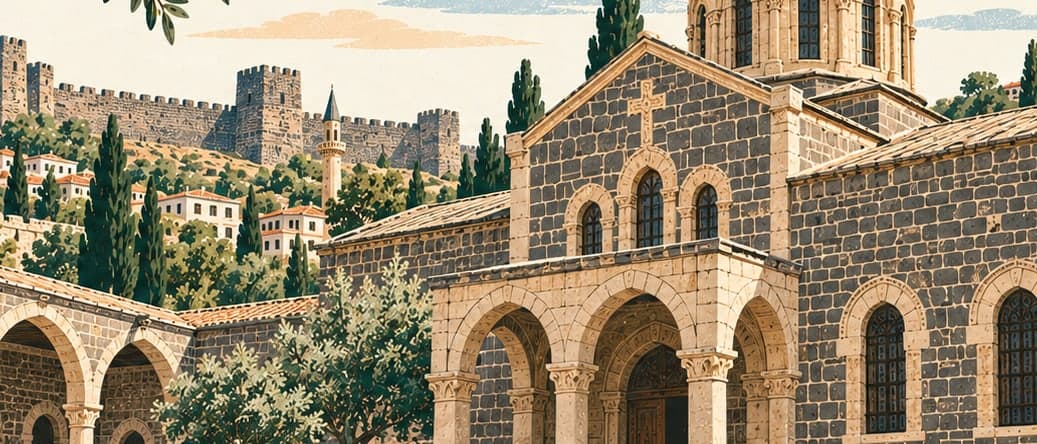
With fourteen registered buildings in the citadel turned into museum space, the complex was formally opened on 25 May 2015. Besides the archaeological museum, the citadel holds the Atatürk Museum, a building for thematic display and another for chronological display, the art gallery in the church of Saint George, a museum café, the mound of Amida, the Lion Fountain, the Artuqid arch and the mosque of Süleyman.
Visitor numbers have risen sharply since 2022: 68,000 people came that year and 131,000 in 2023.
The museum holds cultural material of many civilisations from the Neolithic to the present, with a great many objects from important excavations such as Körtik Tepe, Çayönü, Ziyaret Tepe, Üçtepe, Gre Fılla and Zerzevan Castle.
Alongside the archaeology, local ethnographic material is displayed. The archaeological works cover the Late Palaeolithic, Neolithic and Chalcolithic, the Hittites and Assyrians, the Roman, Byzantine and Early Christian periods, the Umayyads and Abbasids, the Seljuks, the Artuqids, the Akkoyunlu and Karakoyunlu, and the Ottomans.
Visit status for this record: open to visitors.