Guide
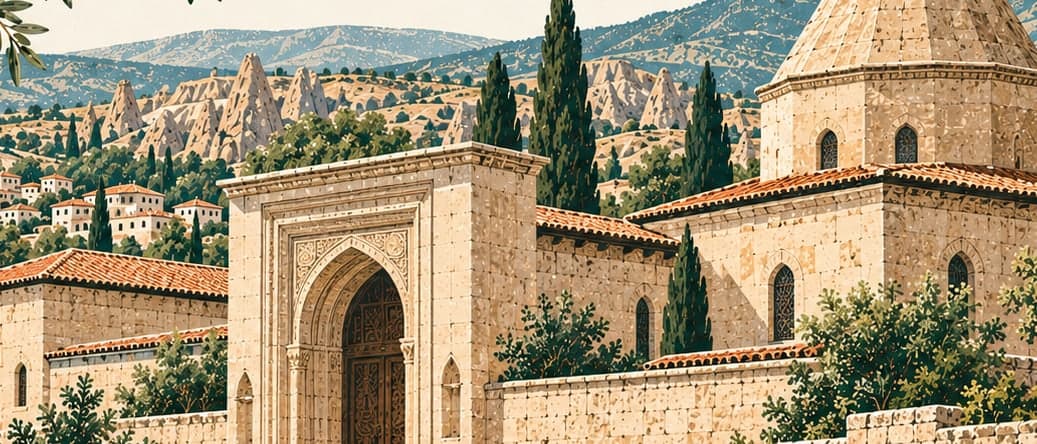
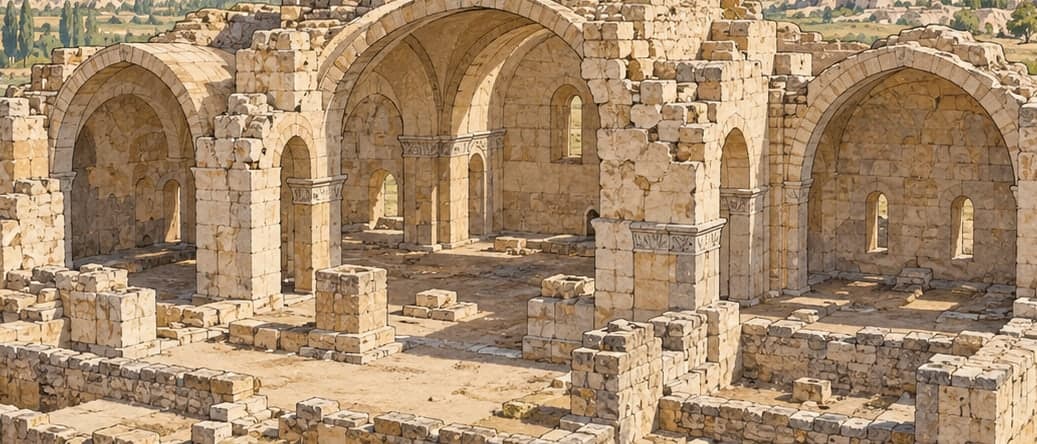
The core of the Hacıbektaş complex is the Çilehane, also called the Kızılca Halvet — the retreat cell built in the 13th century in Hacı Bektaş Veli's own lifetime. Everything else grew around it. After his death, additions were made by a succession of Ottoman rulers beginning with Orhan Gazi and continuing through Murat Gazi, Bayezid I and Selim I, and the complex as a whole was completed in the 16th century. It was repaired by Mustafa IV in 1807, Abdülaziz in 1862 and Abdülhamid II in 1895, which is the form it stands in now.
It worked as a dervish lodge until 1925, when it was closed under the law abolishing the lodges, and its contents were sent to the Ethnography Museum in Ankara. The Directorate General of Foundations restored the complex in 1958 and the objects were brought back; it opened as a museum on 16 August 1964.
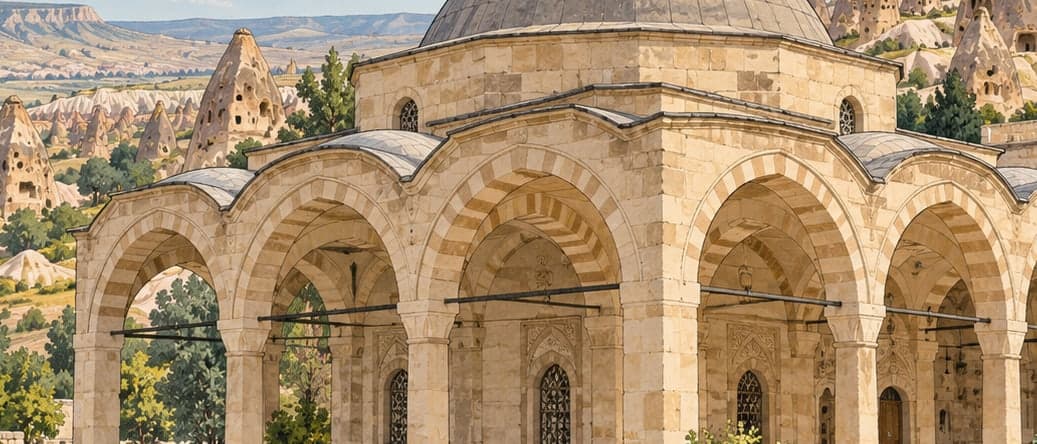
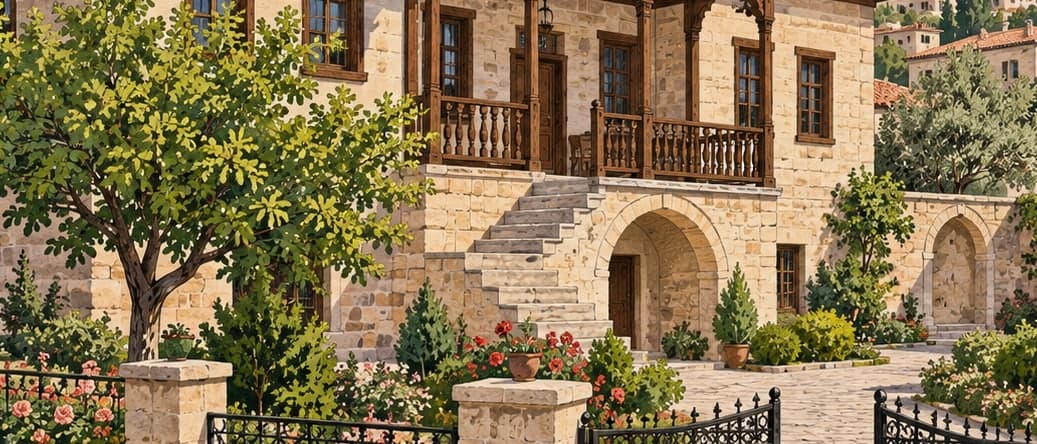
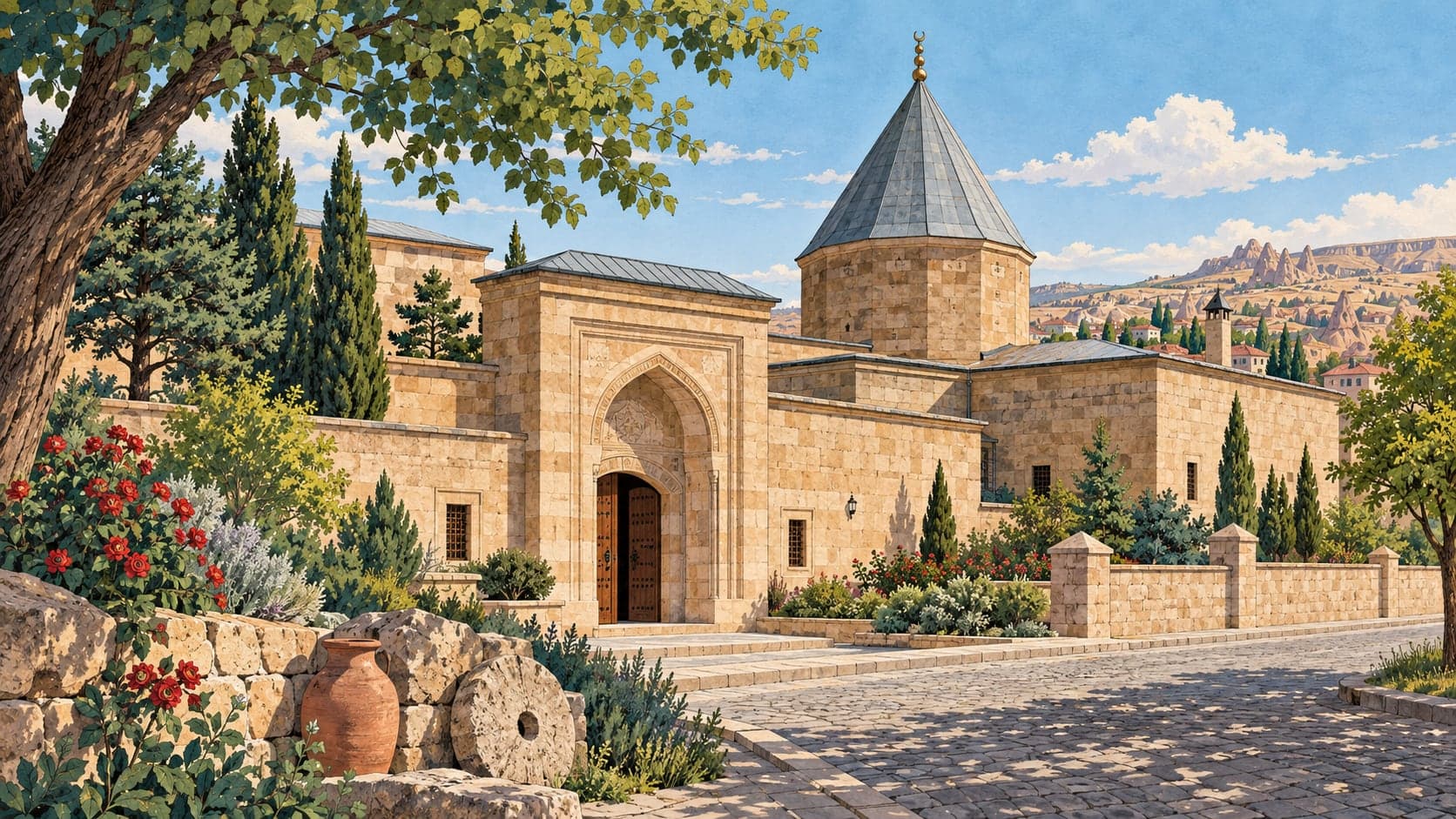
The museum is laid out around three courtyards, and knowing the sequence helps. The first holds the laundry, a store and the Ucler fountain. The second holds the guest house, the assembly house, the pantry, the kitchen, the Dede Baba pavilion — now the museum offices — the kitchen-master's pavilion, the lodge mosque, the Lion Fountain and the assembly pool. The third holds the Atatürk corner, the Pir Evi section, the tomb of Balim Sultan, the burial ground and the private garden.
Timing matters here more than at most museums. Visitor numbers rise from April and stay high into November, with June, July and August the busiest months. Winter hours are 08:00 to 17:00 and summer hours 08:00 to 19:00.