Guide
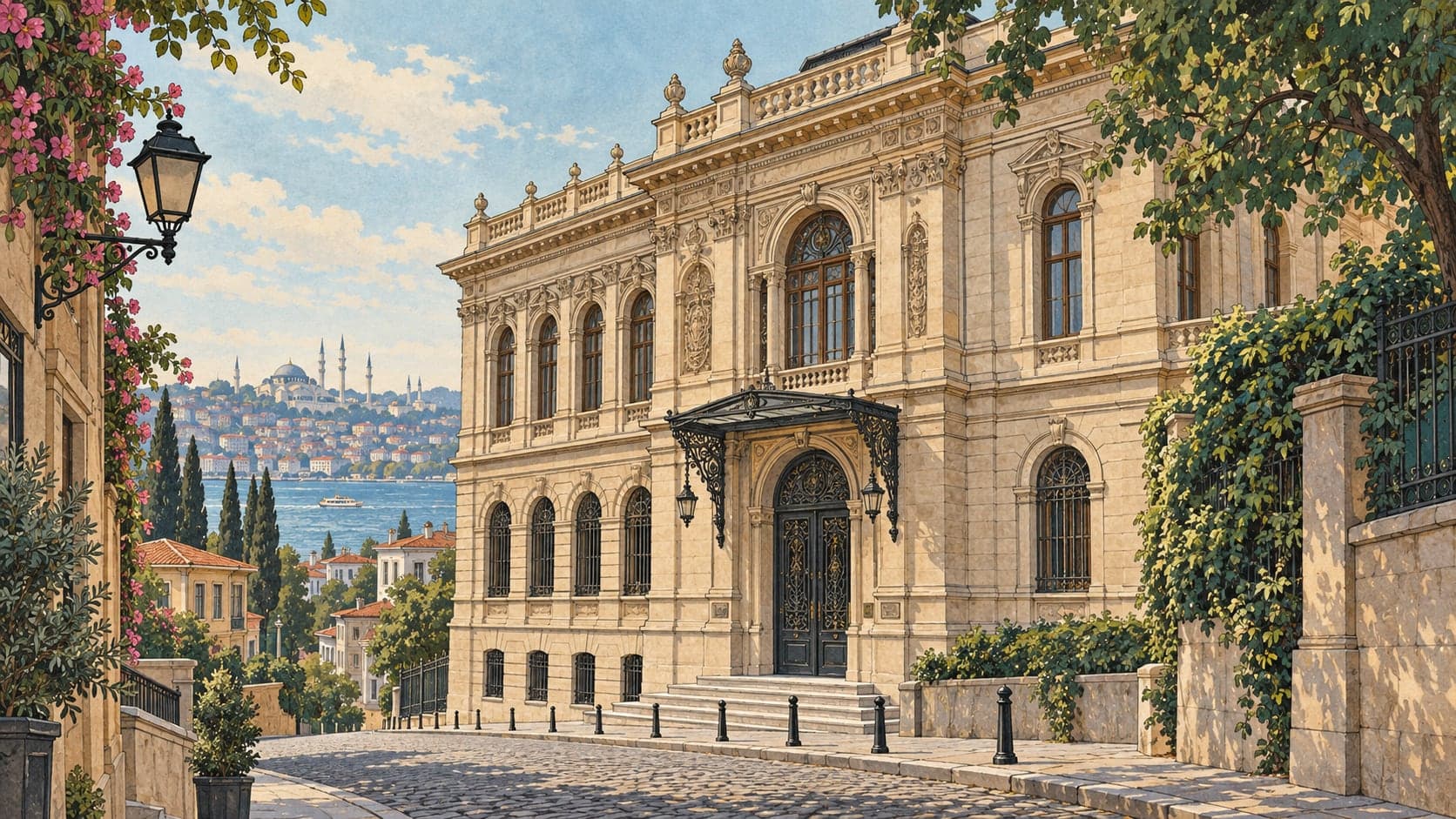
The Ottoman Bank Museum is inside Salt Galata on Bankalar Caddesi in Karaköy — the building that served as the Ottoman Bank's head office from 1892 to 1999. The museum was founded in 2002 within the bank's archive and research centre, and SALT describes it as the first museum established by a private bank in Türkiye.
It is laid out inside the building's strongrooms and across its floors, which is a large part of the experience: the vaults themselves are the display cases. The subject is the Ottoman Bank, which acted as the central bank and treasurer of the Ottoman Empire, and the museum follows the eighty years from its founding to 1933, when it became a private commercial bank, through the changes, expansions and crises of that span, with attention to its branch buildings, its customers and what it actually did.
What you see are documents, photographs, architectural drawings, illustrations and newspaper cuttings from the collection — a portrait of an institution and, through it, of late Ottoman and early republican society. The bank's founding and transformation, the growth of its branch network and the stories of its staff are presented on the lower ground floor; a presentation on the construction of the head office building is on the entrance floor.
These interactive presentations sit alongside physical archive material shown in the strongroom of the Ferit F. Sahenk hall in SALT Research: banknotes, ledgers, share certificates, staff registers, customer files and photographs of the bank's employees. The archive and concept work is by Edhem Eldem and the design by Bülent Erkmen.