Guide
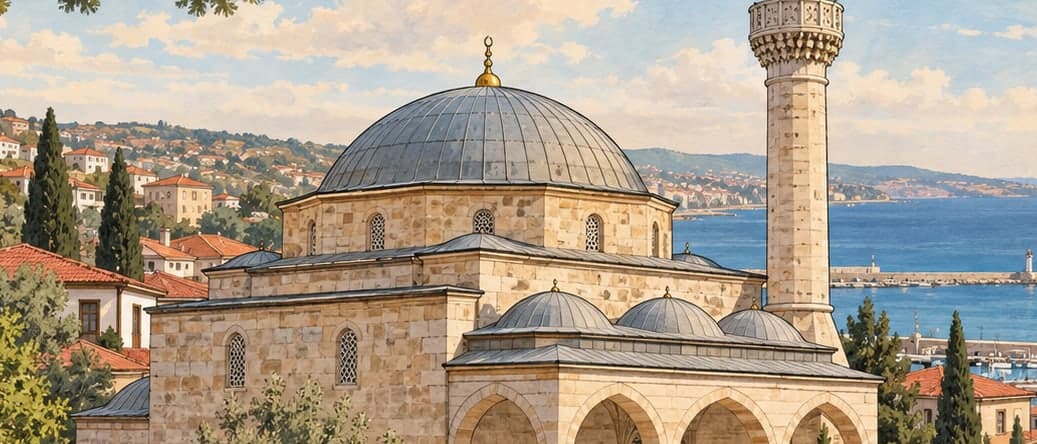
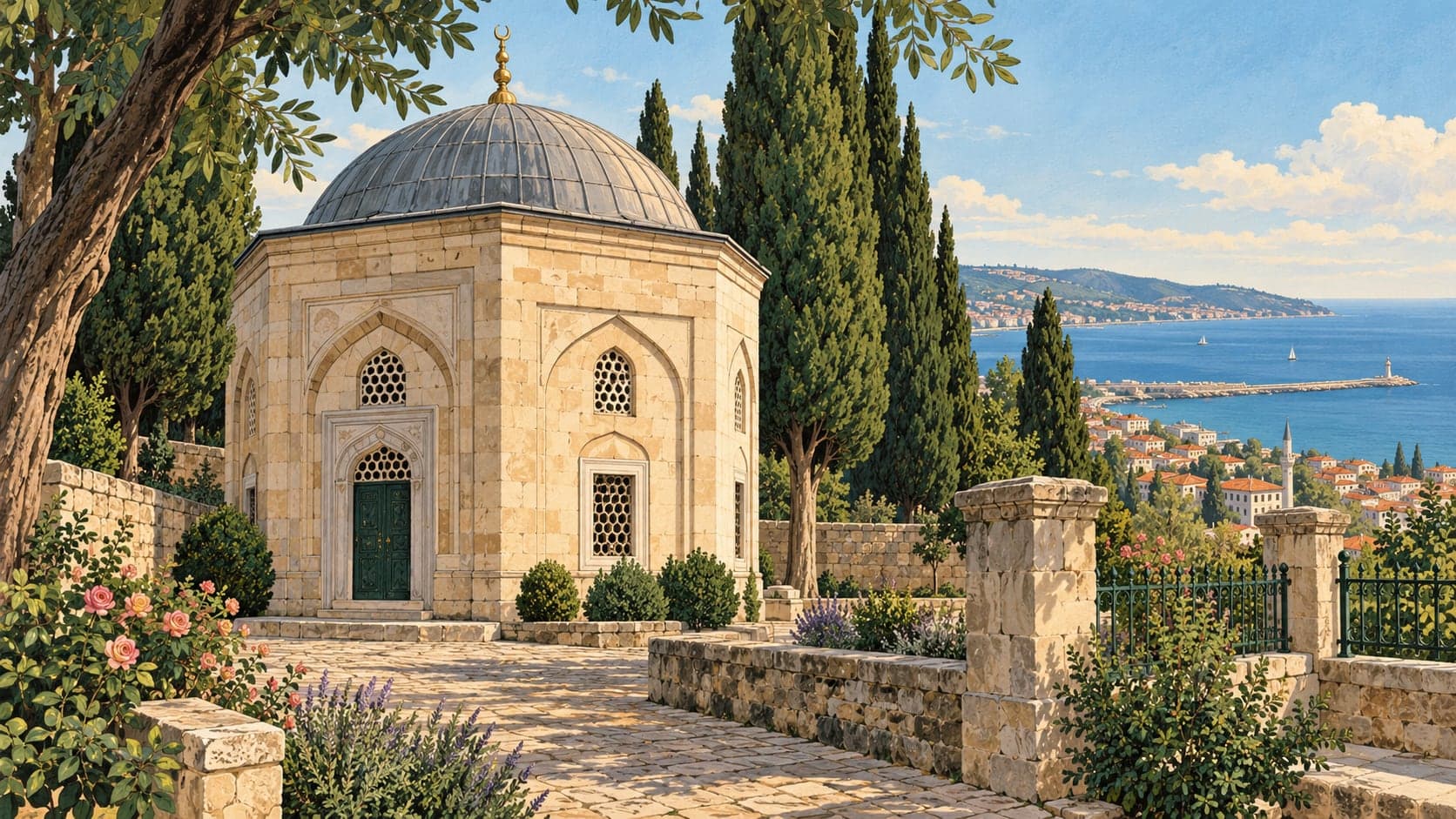
Sârban Ahmed was born in Hayrabolu and is buried there. He is known under several names — Ahmedî, Kaygusuz, Şeyh Ahmed Sârbân — and the one that stuck came from his work: he served Süleyman the Magnificent as head camel driver on the Iraqeyn campaign of 1533–34, and sârban means camel driver.
While the army was at Karaman he met the Bayramı sheikh Pîr Ali Aksarâyî and attached himself to him. After receiving his licence he returned home and taught there for seventeen years. He died in 1545–46 and was buried in the same place. The dates in the source do not quite meet: a campaign of 1533–34 followed by seventeen years of teaching would run past 1545. He wrote under the pen names Ahmedî and Kaygusuz, and after the execution of Pîr Ali's son İsmâil Ma'şûkî he took over the leadership of the Bayramı Melâmîs.
His work has been confused with another poet's. Abdülbâki Gölpınarlı, in books published in 1932, took Sârbân Ahmed and Dukakinzâde Ahmed Beğ to be the same man, and read poems written for Sârbân Ahmed by his student as praise for Dukakinzâde; he later accepted that he had been wrong and that what he had published was mistaken.
His own poetry avoids the ornamented language of the court. There are no odes to statesmen in his divan and no mention of the great; he wrote plainly, in the old Anatolian Turkish of his day.