Guide
Bozcaada, called Tenedos in antiquity, is today a district of Çanakkale. Samothrace lies to its north, Lemnos to the north-west, Lesbos to the south and Gökçeada to the north-east. With the small islets and rocks around it the district covers forty square kilometres. There are no high hills or forests on the island; its highest point is Göztepe, which commands a circle forty miles across.
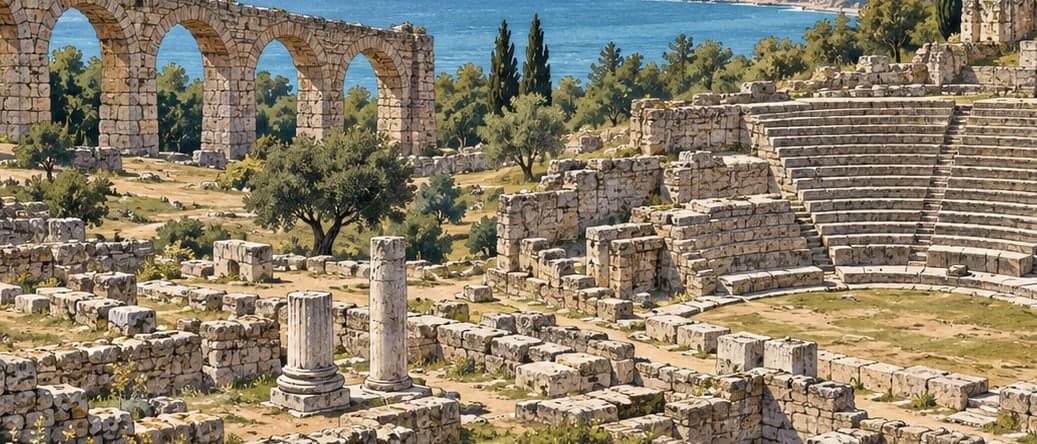
It is one of the two islands in the Aegean that belong to Türkiye. Homer names Tenedos in the Iliad, and Herodotus writes that its first inhabitants were the Pelasgians. Alexander the Great took control of the Aegean islands in 334 BC, Rome followed in the first century BC, and in 1455–56 the island was taken from the Venetians, making it the first island in the Aegean to pass into Turkish hands.
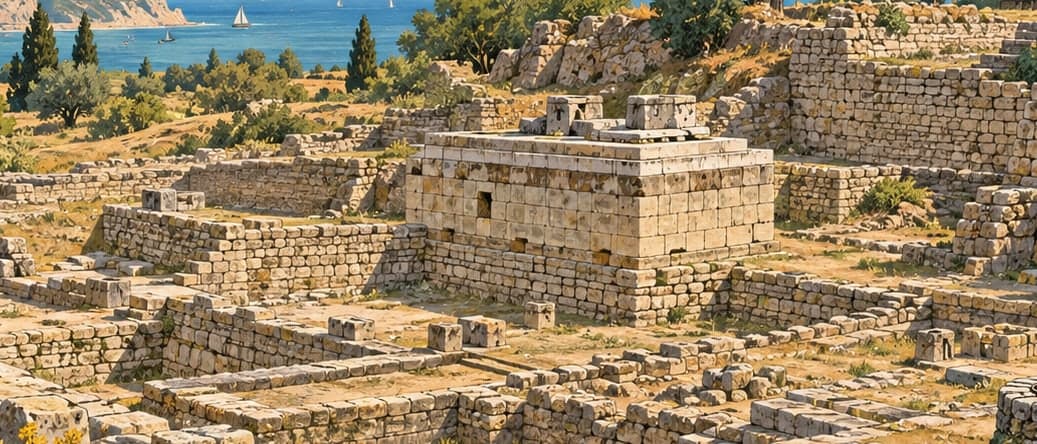
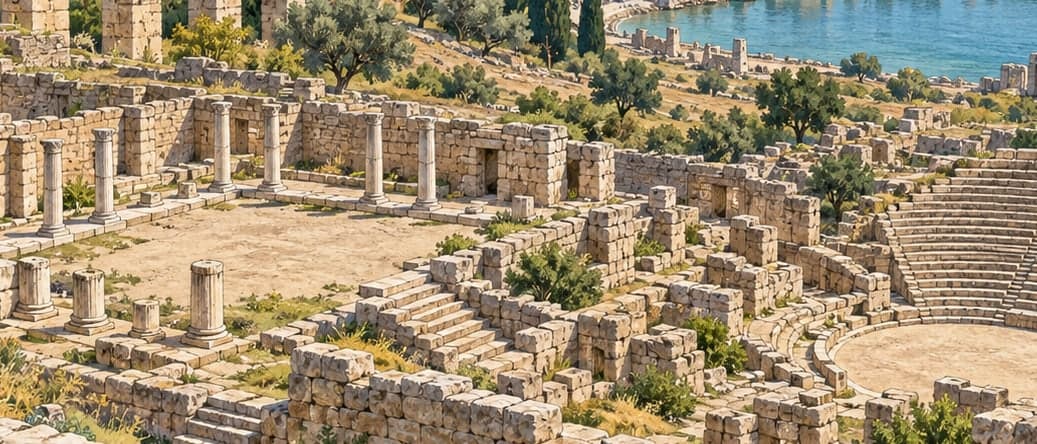
In a cemetery used from the sixth century BC down to the Roman period, terracotta figurines and pottery have been found. Among the other buildings of the district are the second castle, the Yeni Kale built by the Venetians, and the mosque of Köprülü Mehmet Paşa of 1657.
Ottoman-period buildings on the island include the Yalı and Alaybey mosques and the namazgâh, the open-air prayer ground now used as a park, with its old fountain. The three-aisled church of the Virgin Mary, built in 1870, will impress visitors with its architecture. The spring known as the ayazma of Aya Paraskevi holds an important place in Orthodox belief; the Paraskevi festivities once held there have given way to the grape-harvest festival of today.
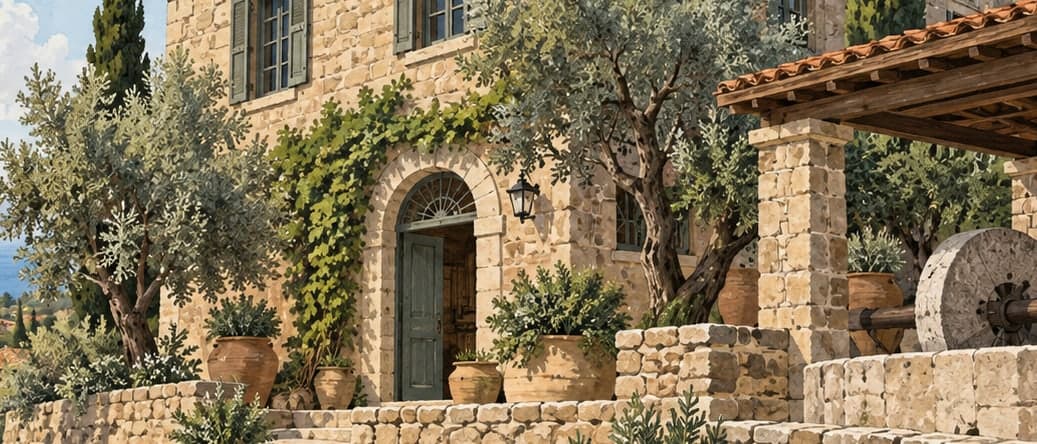
Other things worth seeing are the wineries, the wind farm, the vineyards, the Greek Orthodox church of Kimisis Theodoku, Göztepe, Habbele, the Çamlık picnic ground, the Namazgâh fountain, the island houses, the local history research centre, the headlands of Tuz Burnu and Mermer Burnu, the yacht harbour at Ayazma, and the Polente lighthouse.
The grape-harvest festival is held in August. Besides the island's four wineries, wine is made in the houses as well. Bozcaada is reached by car ferry from the pier at Geyikli Yükyeri.