Guide
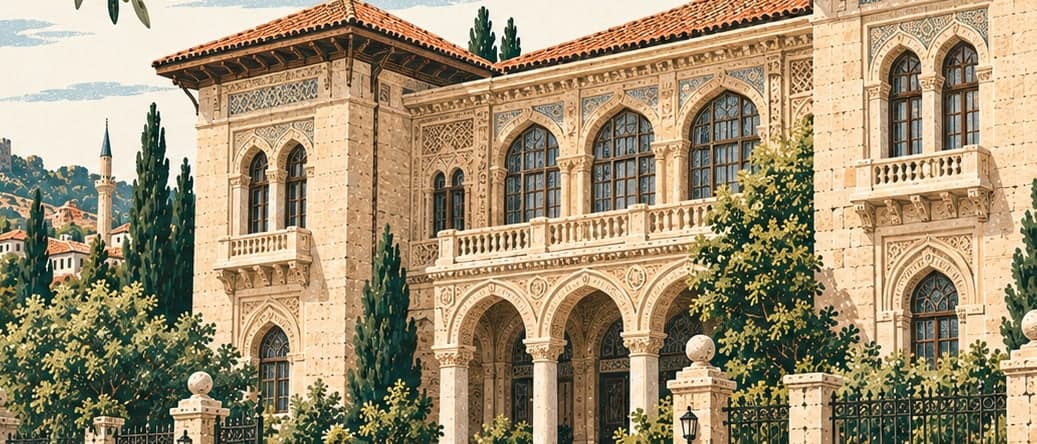
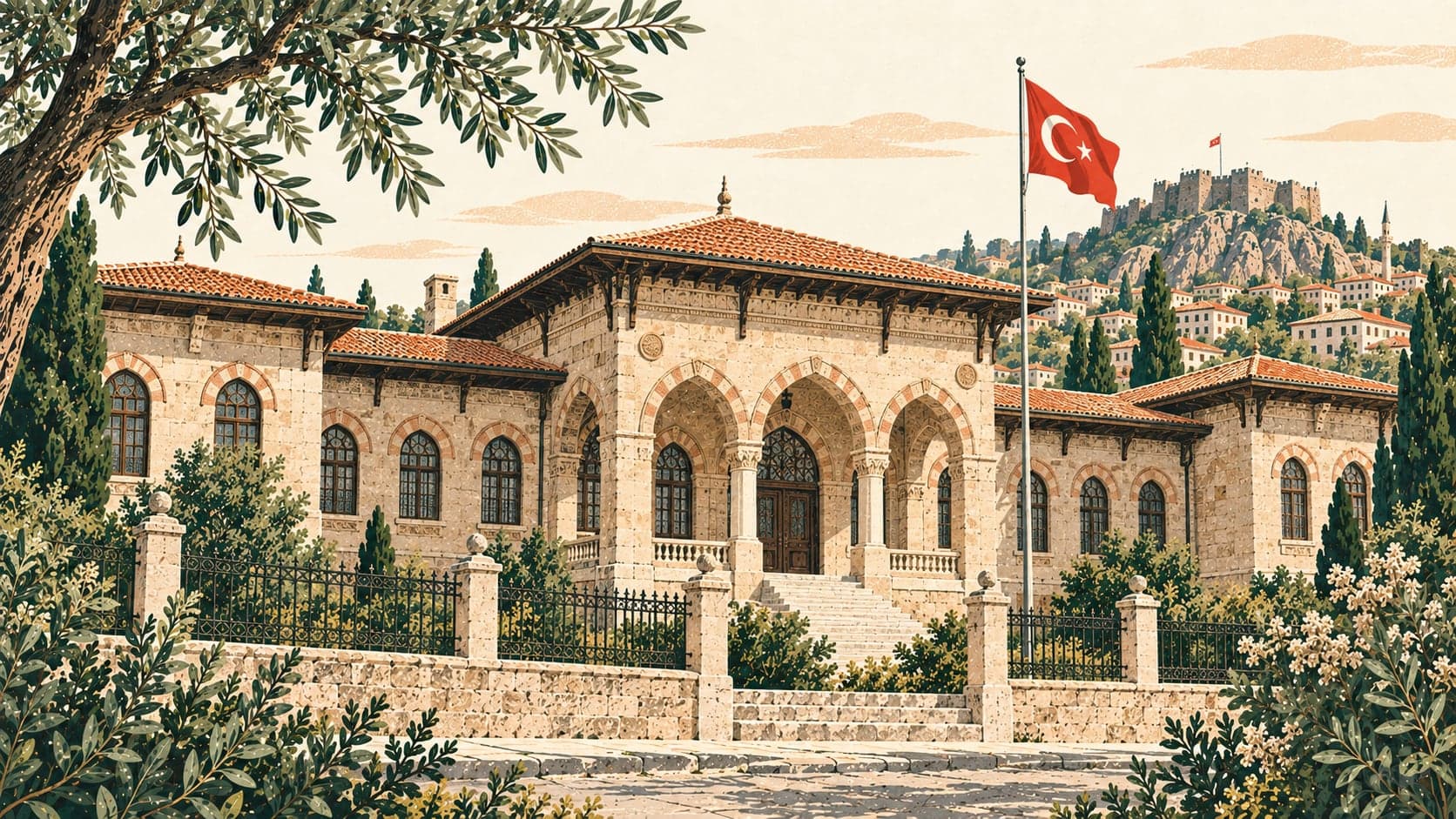
The Museum of the Republic, the building of the second Grand National Assembly, stands in the Altındağ district of Ankara. The assembly met here between 1924 and 1960. The building was put up in 1923 to the design of the architect Vedat Tek and was turned into a museum in 1981.
It was built as the headquarters of the Republican People's Party. When the first assembly building proved too small, this one came into use as the second Grand National Assembly in 1924, and it served as the parliament until the military coup of 27 May 1960.
After the assembly moved into its modern building, finished in 1961, this one was allotted to CENTO as its headquarters. When CENTO was wound up the building passed to the Ministry of Culture, and it was decided that the front part would be laid out as the Museum of the Republic and the back would serve as offices for the general directorate of antiquities and museums.
After restoration it opened as the Museum of the Republic on 30 October 1981. It closed again in 1985 while the displays were reworked and opened once more in January 1992. Closed again in August 2001, it reopened on 29 October 2008 after further restoration and rearrangement.
The hall that served as the general assembly chamber between 1924 and 1960 held up to 610 deputies across the various parliamentary terms; the source records 116 seats in the hall. This is where the Atatürk reforms were carried through, where modern laws were passed and important treaties made, and where the country moved to a multi-party system. Atatürk read his Great Speech here over six days, from 15 to 20 October 1927, taking thirty-six hours and thirty-three minutes in all.
The museum covers the periods of the first three presidents of Türkiye — Mustafa Kemal Atatürk, İsmet İnönü and Celal Bayar — through events, accounts and photographs, along with the presidents' personal belongings and material on the assembly's decisions and the laws of that time. Works and archive material are shown as well.
Vedat Tek built it of cut stone, two floors above a basement. The ceiling is worked with Seljuk and Ottoman motifs, and the arches, eaves and tiles belong to the republican period. The rooms to the right of the entrance hold belongings of the first three presidents and objects used in the assembly.
Visit status for this record: open to visitors.