Guide
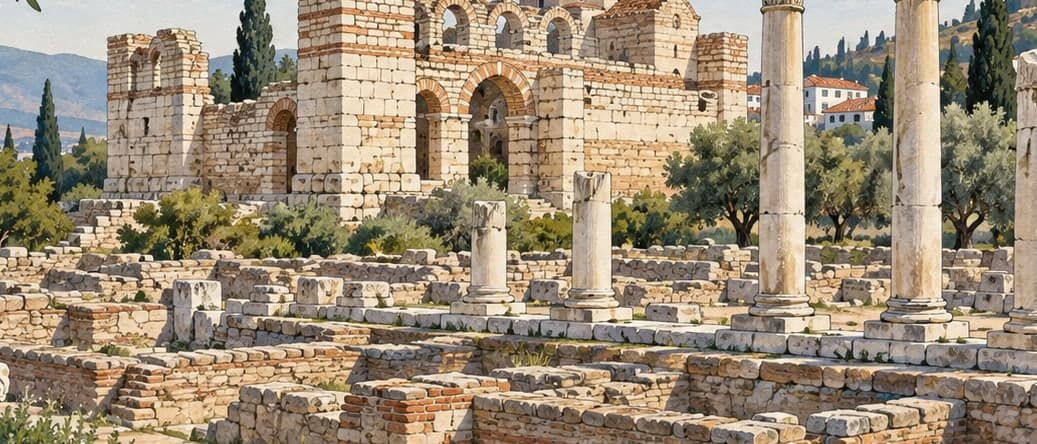
Ephesus was a great metropolis, regarded as the capital of Anatolia in antiquity. That its architecture has stood for thousands of years sets the city apart, and the site is on the World Heritage List. Its history reaches back to 7000 BC: from prehistory onward it was settled without a break through the Hellenistic, Roman, Byzantine, Beyliks and Ottoman periods, and in every age it remained a centre of politics and trade.
Geography adds to its weight. Ephesus was one of the principal gateways between Asia and Europe and an important port, and it kept that position as it grew. The presence of the Temple of Artemis, rooted in the Anatolian mother-goddess tradition and counted among the seven wonders of the ancient world, raises its standing further. The site holds side by side the traces left by different civilisations — Hellenistic and Roman above all — in urban life, architecture and religious history. Excavation here is approaching a hundred and twenty-five years, the city is still not fully uncovered, and it continues to yield new findings for the history of learning, culture and art. It receives on average a million and a half visitors a year.
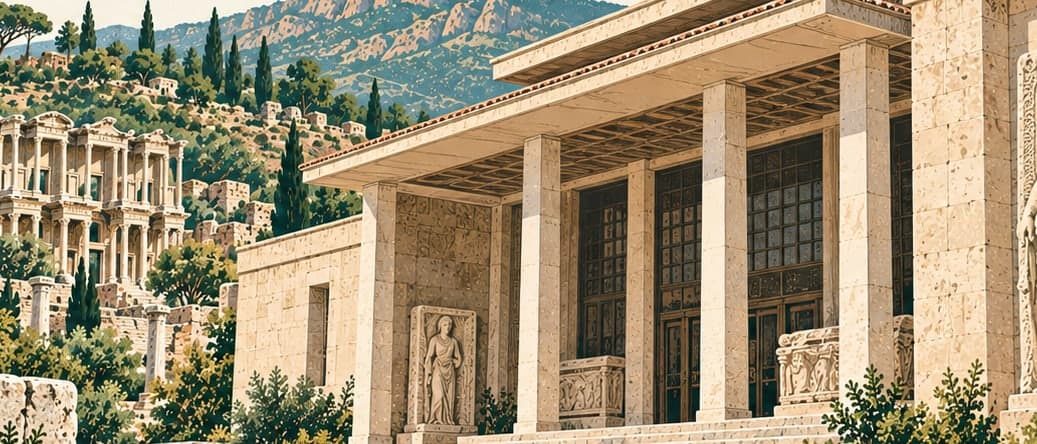
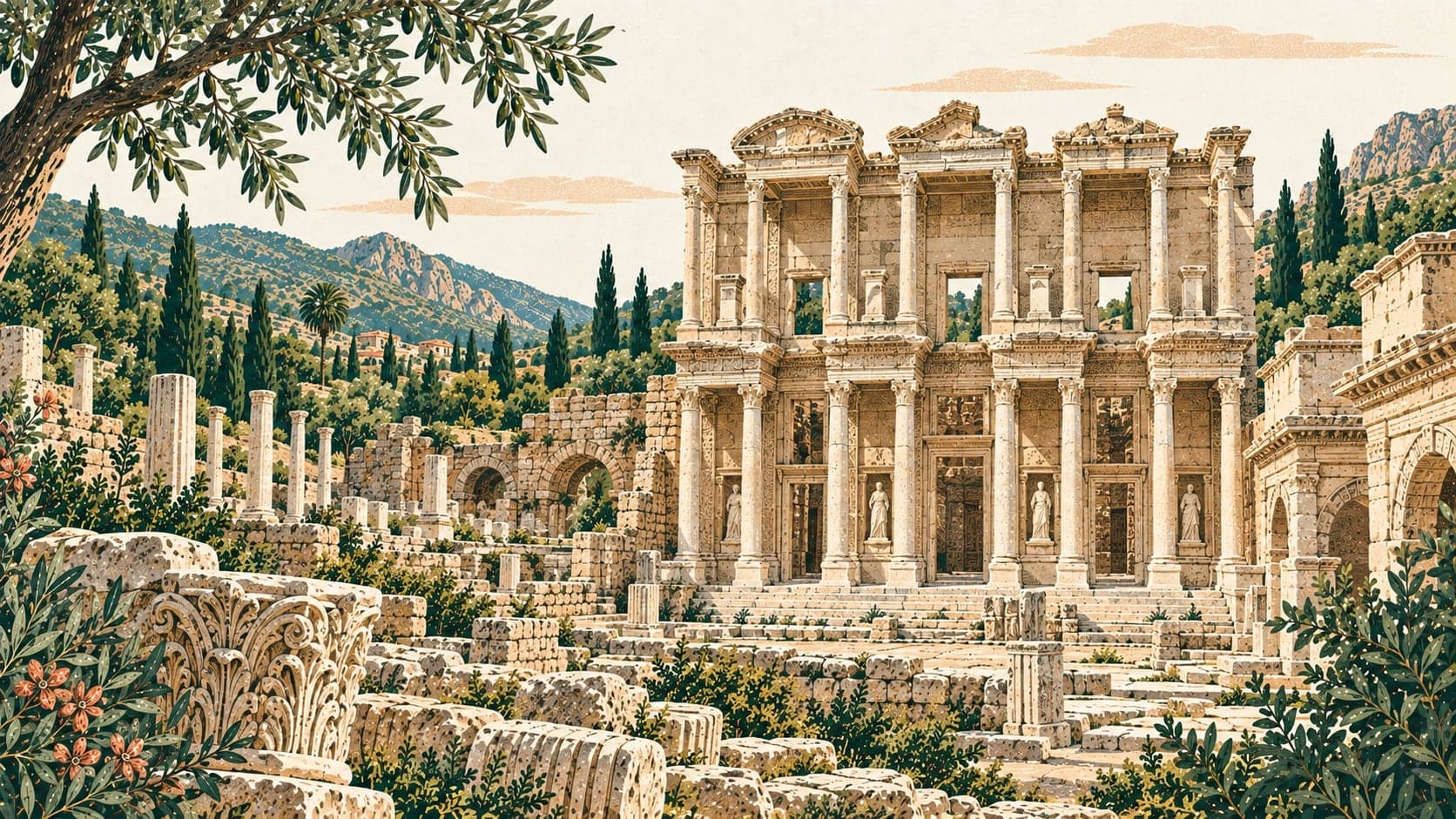
The site has two gates, known as the lower and the upper, three kilometres apart. The building most identified with Ephesus is the Library of Celsus, admired for its immense columns; it dates to the second century AD and ranks, after Alexandria and Pergamon, among the most important libraries of antiquity. The Gate of Hadrian and the Temple of Hadrian, both raised in the emperor's name on Curetes Street, are further buildings that draw the eye.
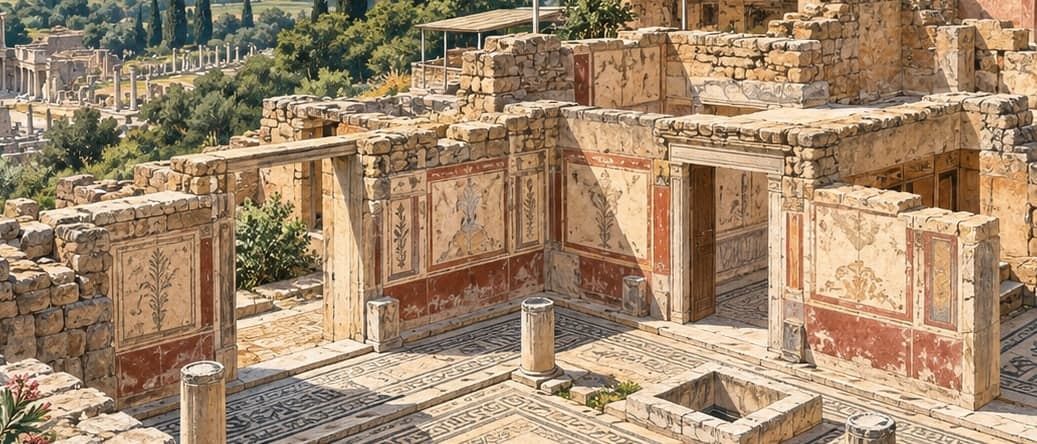
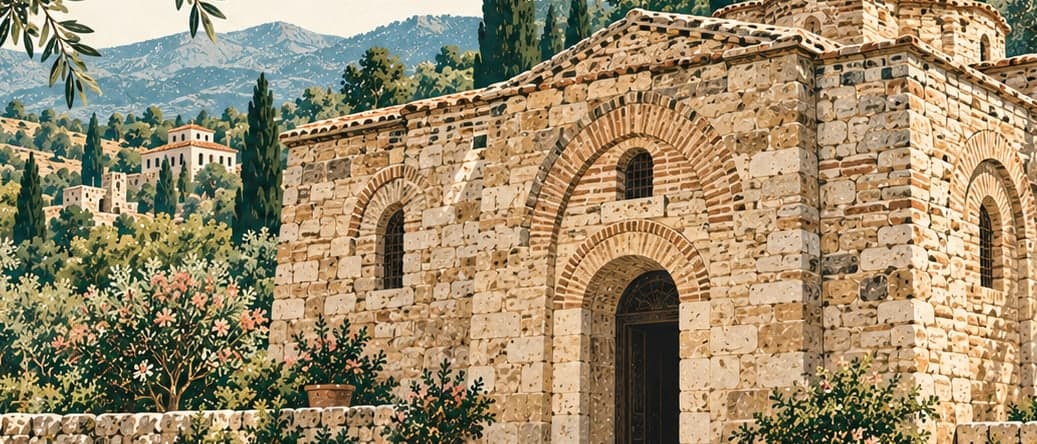
The remains worth seeing do not stop there: the Artemision, one of the seven wonders; the great theatre seating about twenty-five thousand; the stadium; the commercial and state agoras; the Prytaneion, which housed the Temple of Hestia and the city's sacred fire; the odeon for some eighteen hundred people; and the ancient harbour. The Terrace Houses lie within the site but have their own separate entrance. The Church of Mary, where the Ecumenical Council of 431 declared Mary the mother of Jesus, is another place not to be missed. Nearby, the village of Şirince in the district of Selçuk is also worth a visit.
Getting there
The site lies at Efes Harabeleri in Selçuk, İzmir. It has two entrances, known as the lower and the upper gate, three kilometres apart; which one you start from decides the direction of your walk. The Terrace Houses are inside the site but have their own separate entrance.
When to go
The site is open every day. Night visiting is not offered continuously: when no allocations are in place it runs only on Wednesdays, Thursdays, Fridays and Saturdays. Opening and closing times differ between the two gates and change from season to season, so check the current times, shown with the date we last verified them, in the facts panel on this page.
Visit status for this record: open to visitors.
Entry fee
- Single entry to the museum or site · Local
- MüzeKart
- Single entry to the museum or site · Foreign
- €40