Guide
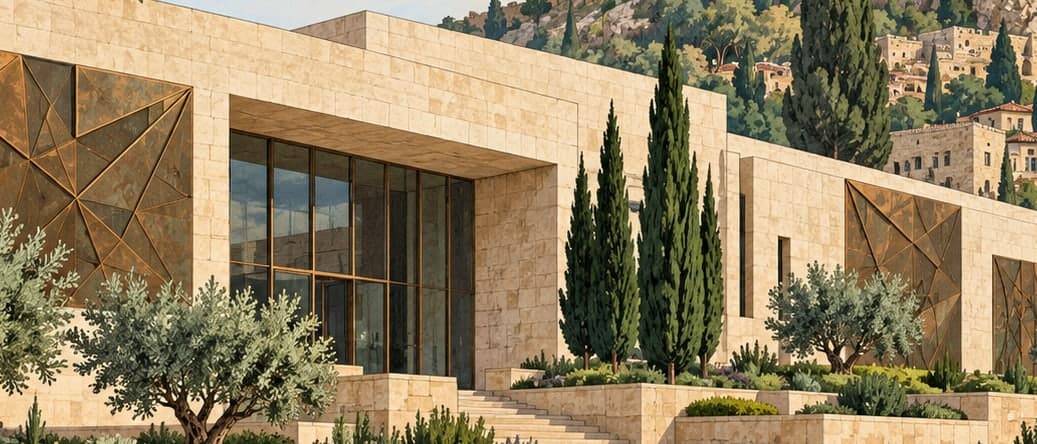
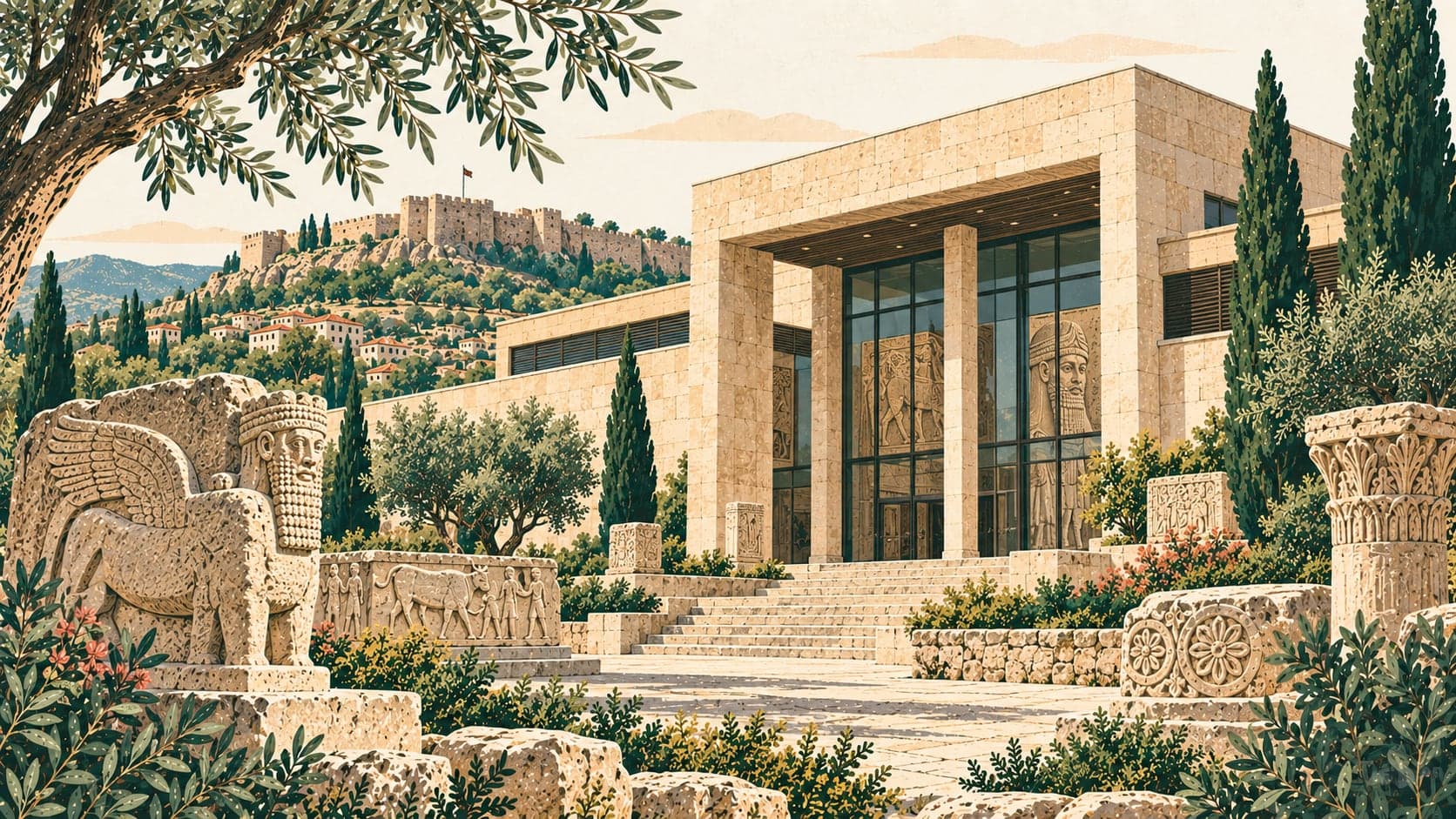
The Gaziantep Archaeological Museum stands on İstasyon Avenue in the centre of the city.
The work of founding a museum here goes back to 1944 and to Sabahat Göğüş, one of the first archaeologists of the republican period. The museum opened in 1969, when the displays on İstasyon Avenue were completed, and the works that had until then been shown in the Nuri Mehmet Pasha Mosque were moved into it.
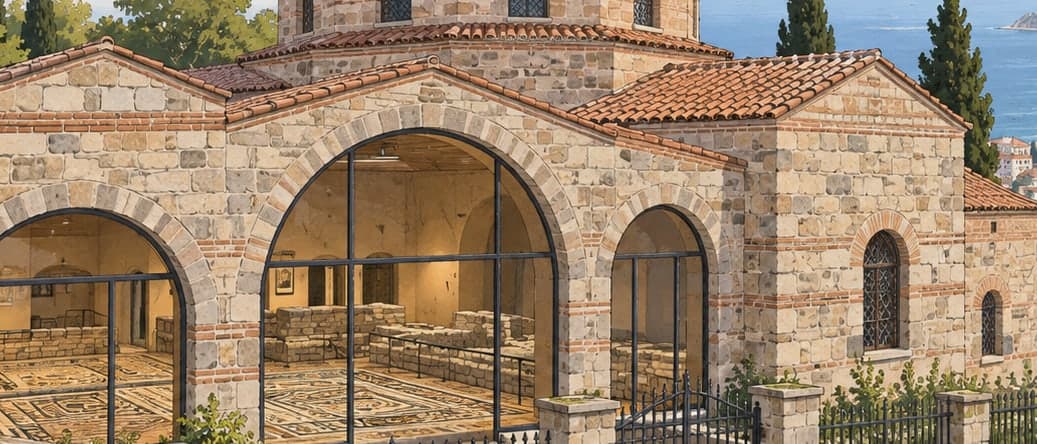
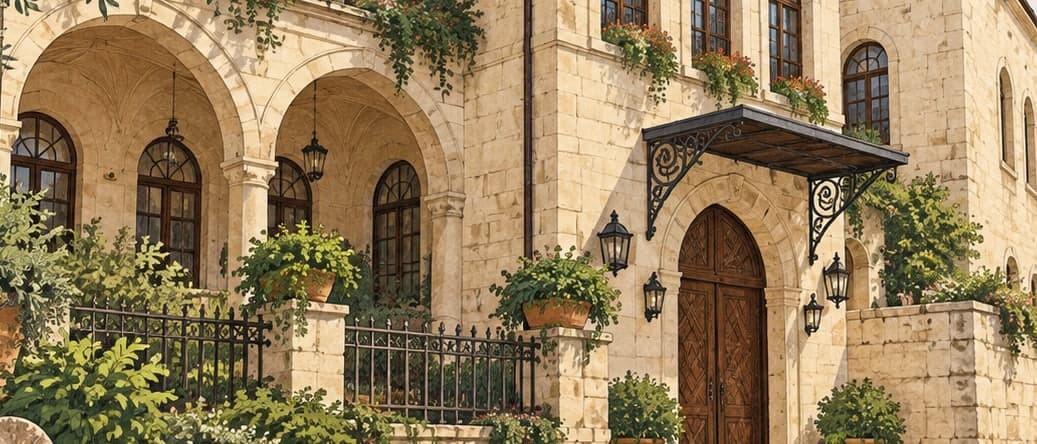
The ethnographic section within the museum was later moved to the Hasan Süzer Ethnography Museum in the Bey quarter. An annexe to the archaeological museum came into service in 2005. The mosaics recovered from the ancient city of Zeugma were displayed here for a time, but when the space proved too small they were moved in 2011 to the Zeugma Mosaic Museum.
After the Zeugma mosaics left, the museum was designed anew, its display areas were enlarged, and it opened again on 18 May 2017. The display units now run from the ground floor upwards in order of date, from the Lower Palaeolithic to the republican period.
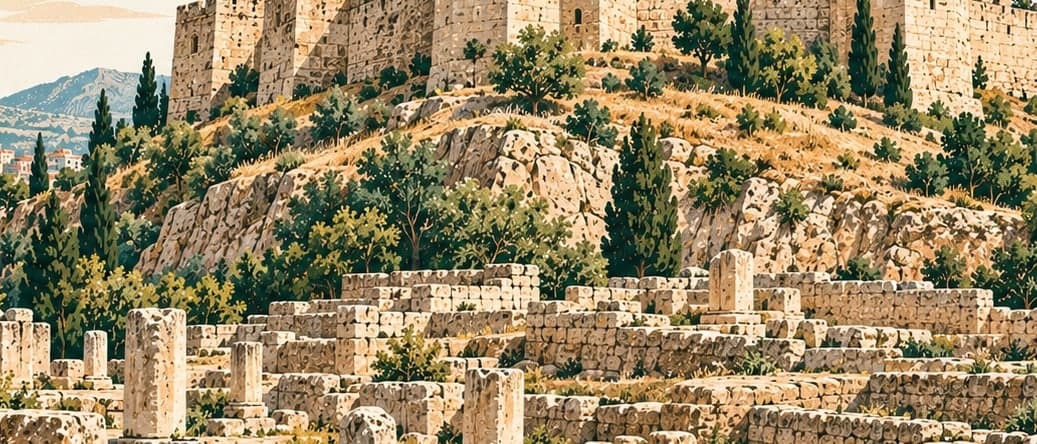
What is shown here includes fossils and rocks of the geological periods, material setting out the natural history of Gaziantep and the character of the Lower Palaeolithic, the surviving skeletal remains of the extinct Maraş elephant, finds of the Late Hittite period recovered in excavation, finds from the ancient city of Carchemish, important material of the Classical, Hellenistic and Roman periods, coins, and finds of the Islamic and Ottoman periods in Gaziantep.