Guide
Ihlara is counted among the largest canyons in the world, and it has been an important religious centre since the first years of Christianity. Fourteen kilometres of it hold a great many churches and places where people lived.
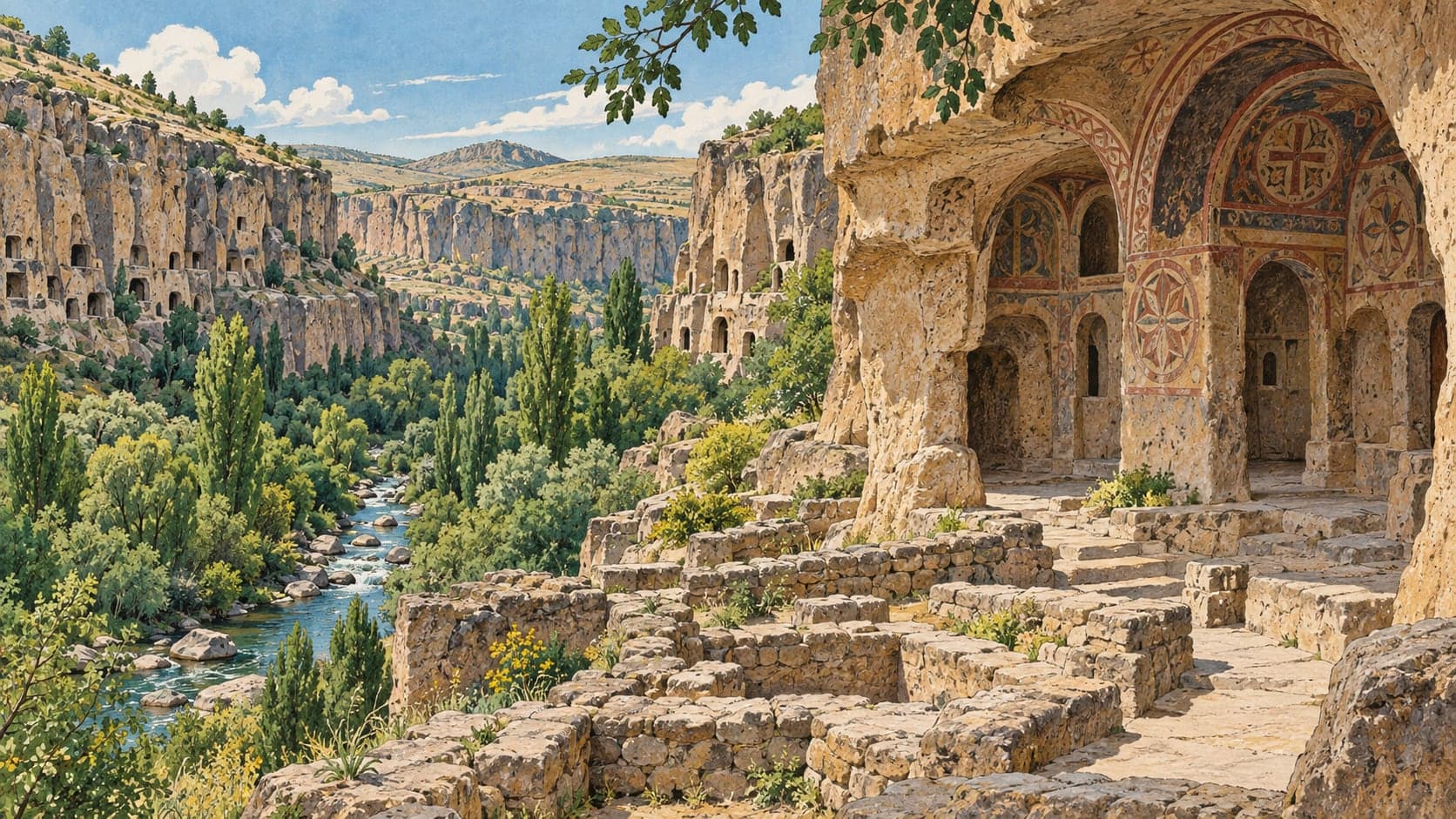
The valley was made by the eruption of Hasan Dağı long ago: the volcanic layer it laid down was worn away by weather and by the Melendiz stream. Reaching 120 metres deep in places, the canyon begins at the town of Ihlara and runs by way of Belisırma and Yaprakhisar to Selime. The Melendiz running along it gave the old inhabitants of the region their name — Peristremma, the people of the water that flows by turning.
Leading Christian churchmen came out of this region from the fourth century onward. Two are named first: Basil of Caesarea, who set out monastic rules different from those of Egypt and Syria, and Gregory of Nazianzus, who founded a school of thought by giving a new explanation of the trinity of father, son and holy spirit.
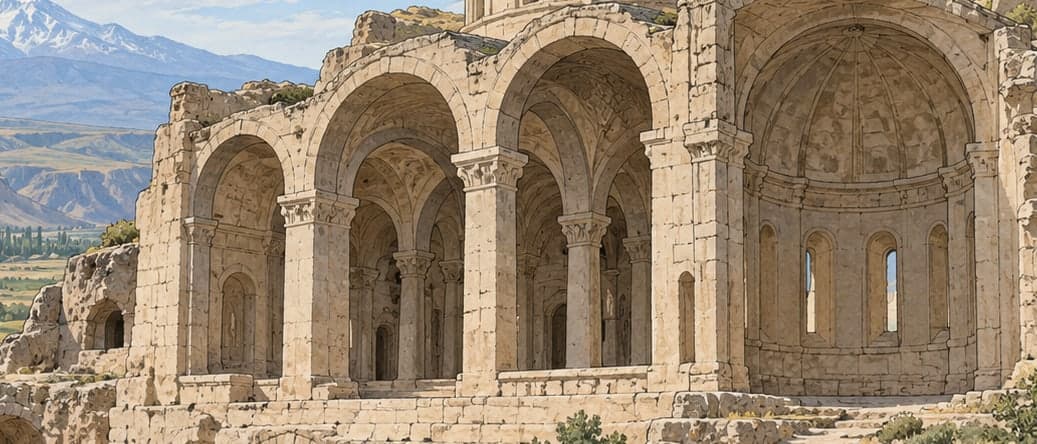
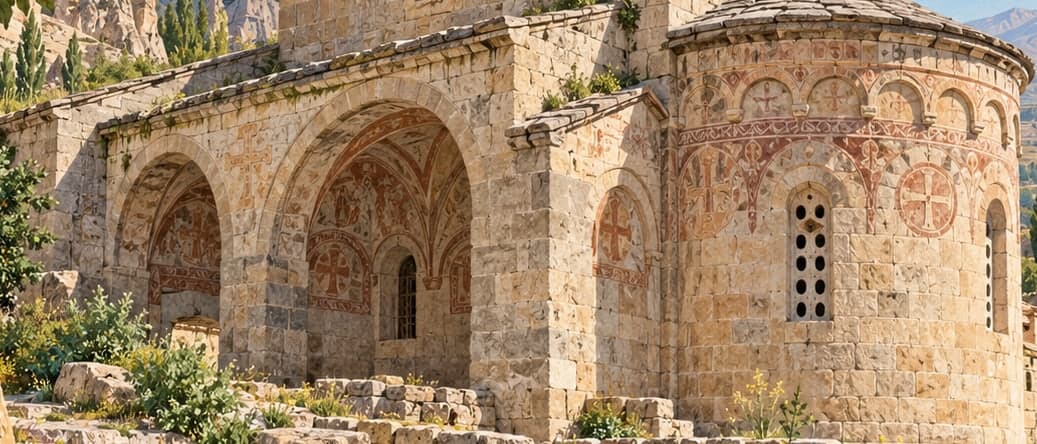
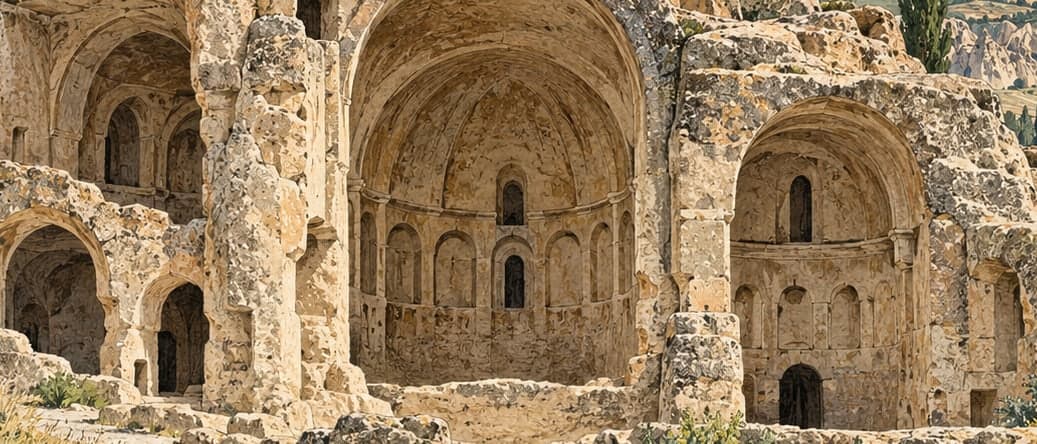
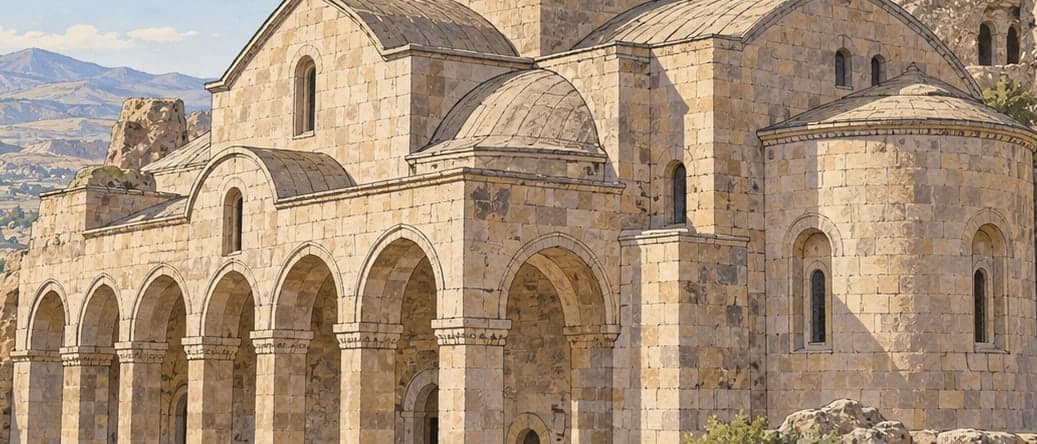
The region covering Belisırma, Ihlara and Gelveri — Güzelyurt — lies within Cappadocia, and those who go down the 382 steps and follow the green valley floor meet churches and living quarters one after another. The geology let them be cut into the rock, in keeping with the monastic spirit, and frescoed. Of 105 churches, fourteen are open: Ağaçaltı, Sümbüllü, Yılanlı, Kokar, Pürenliseki, Eğritaş, Direkli, Saint George, Karagedik, Ala, Bezirhane, Bahattin Samanlığı and Batkın. Eastern influence shows in those near Ihlara, while the churches around Belisırma carry wall painting of the Byzantine type.