Guide
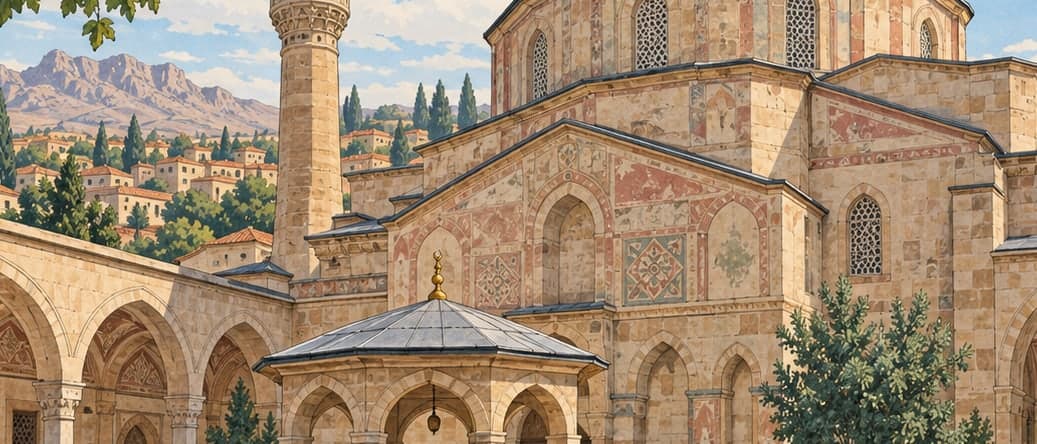
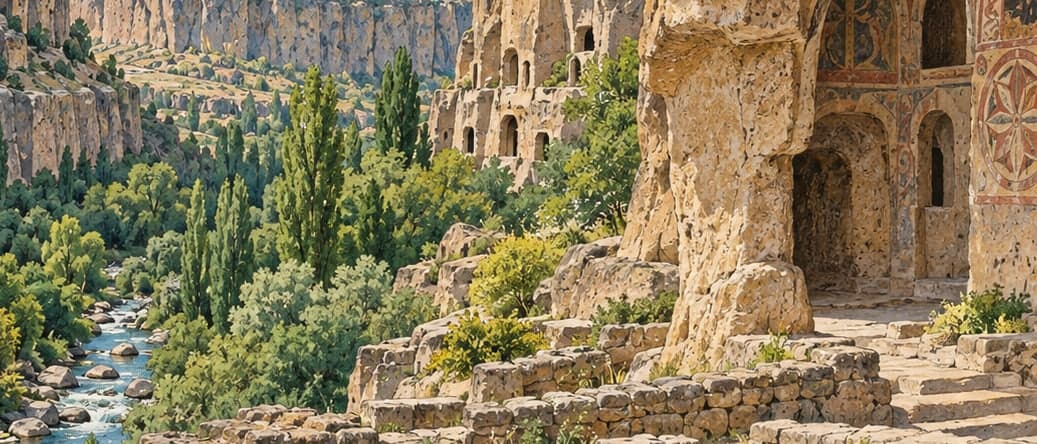
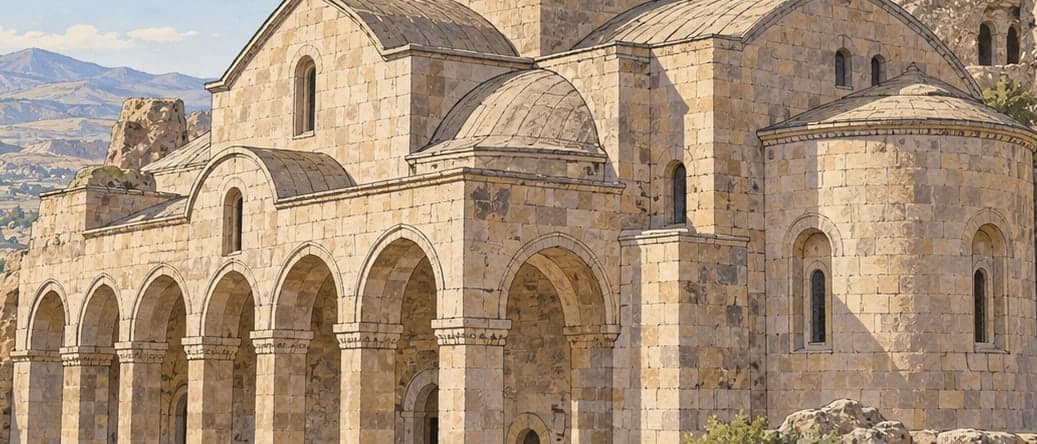
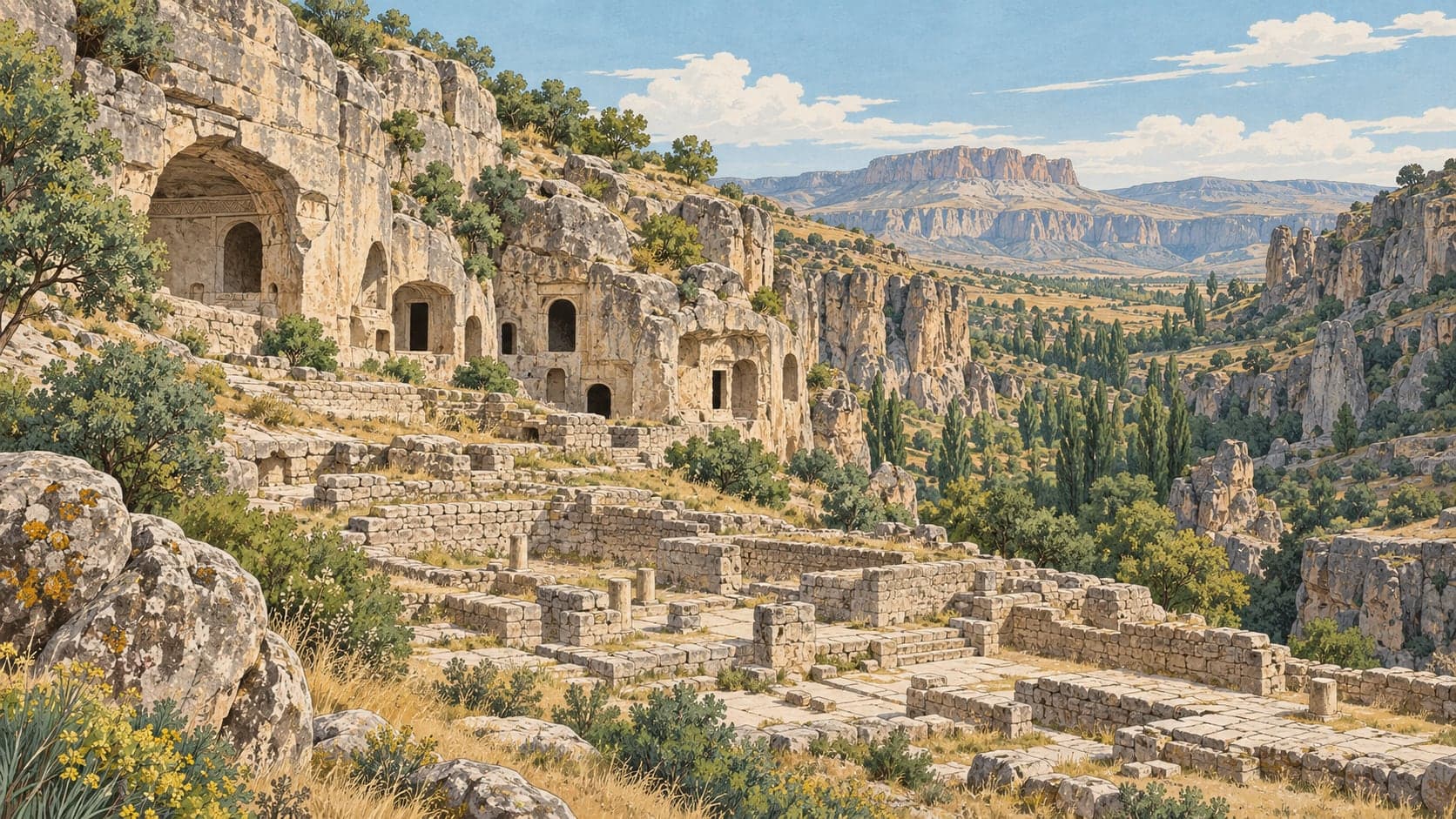
The Monastery Valley runs through the centre of Güzelyurt in Aksaray, about five kilometres long and lined with churches, chapels and underground cities cut into the rock. After Ihlara it is the most significant valley in the region, and it is as much a landscape as a monument — vineyards, volcanic tufa and coloured rock along its length.
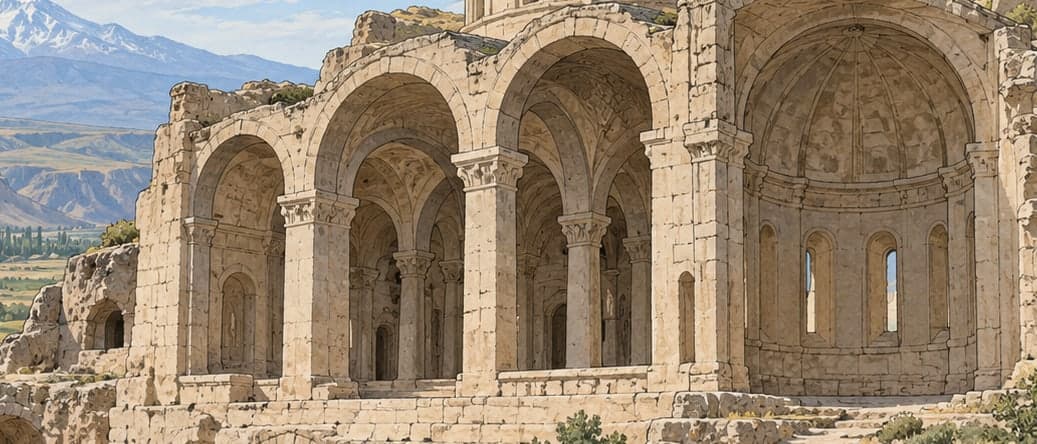
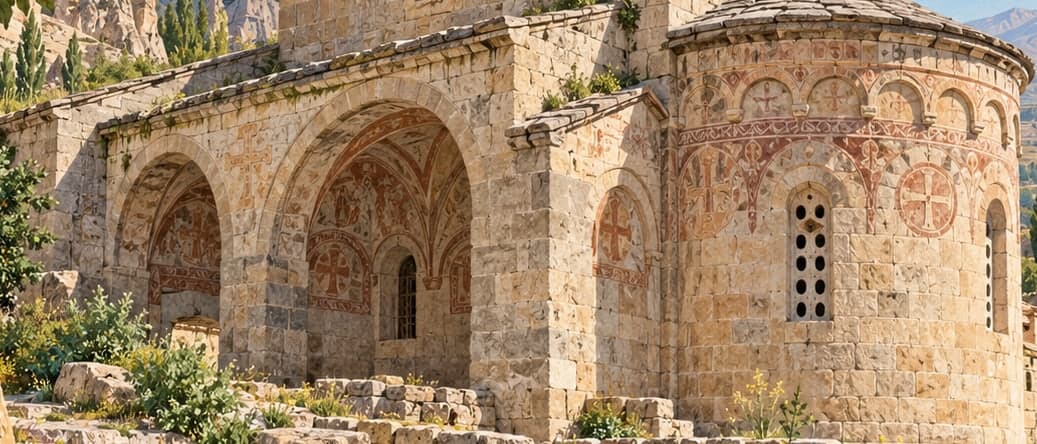
The walk begins at the Kilise Cami and continues past a succession of rock-cut churches on the valley slope: Sivişli, Koç, Çömlekçi, Kalburlu and Kömürlü. Other churches, chapels, rock-cut rooms and religious structures lie along the same valley but are closed to visitors. The churches that can be entered have one, two or three aisles and are built to a free-cross or closed Greek-cross plan; of the seven main plan types identified in Cappadocia, five occur in the churches at Güzelyurt.
The valley preserves traces of the earliest monastic life in the region. Gregory of Nazianzus, the theologian born in the Nenezi area, made Güzelyurt his base in the 4th century and worked from here to spread Christianity through Anatolia. In the centuries when the faith was still persecuted, the physical character of the region was turned to use: sheltered rooms cut into rock where worship could be conducted in secret. When iconoclasm took hold among Christians in the early 9th century it failed to take in Cappadocia — clergy opposed to the ban on images concentrated in the region, and figural painting continued in the rock churches. From the late 11th century the area came under Turkish rule and the Christians living here continued to worship freely; Güzelyurt and its surroundings remained a town where Turks and Greeks lived together until the population exchange of 1924.
The valley is protected as an urban, natural and archaeological site and is now well used for trekking. Beyond the Kömürlü church a walk of about four kilometres leads first to Sivrihisar castle and from there to the Kızıl church. The address is Yeni, Cevizli Sk., 68500 Güzelyurt.