Guide
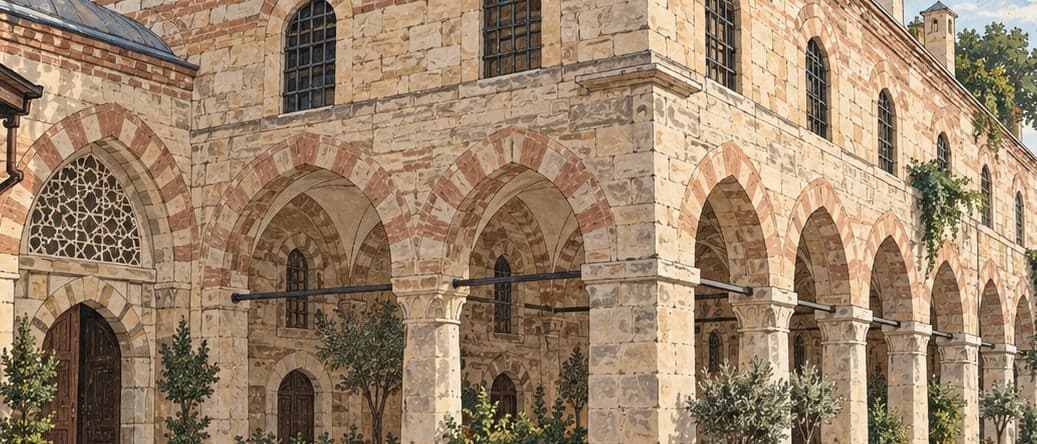
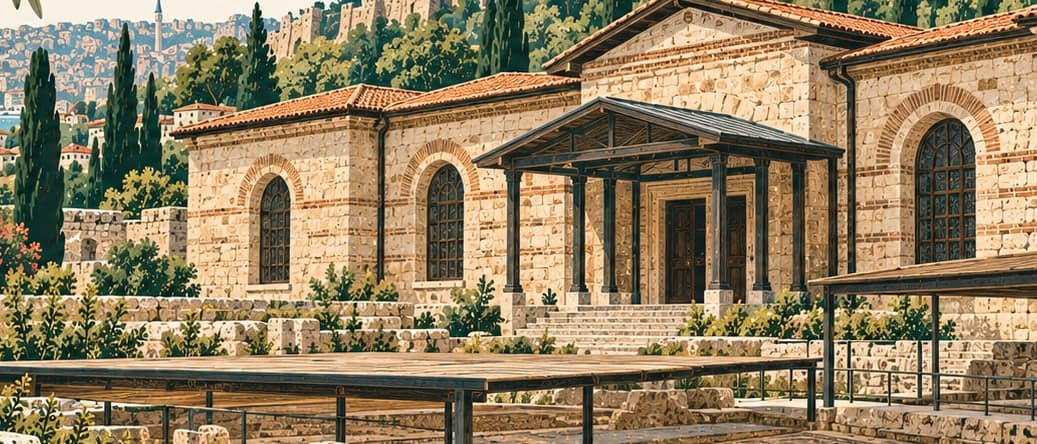
This is a museum about bathing, housed in a bath — the first hamam museum in Türkiye, by its own account. It occupies the Bayezid II Hamam in Fatih, a building owned by İstanbul University and part of the Bayezid II complex, which falls inside the Historic Areas of İstanbul on the UNESCO World Heritage List. The museum is registered as a private museum and opened in 2015.
The hamam is thought to have been built in 1507-1508, and historical documents call it the New Bath. It was endowed by Gülbahar Hatun, wife of Bayezid II, for public use. A second name attached itself later: it has long been called the Patrona Hamam, from stories that the bath attendant Halil, known as Patrona, whose part in the uprising of 1730 gave that revolt its name, worked here.
It follows the classic Ottoman plan and was built as a double bath, with the men's and women's halves adjoining — an arrangement that let them share the furnace and the water tanks. Each half has a large domed changing room, with the cold, warm and hot rooms to the north of it and the furnace running the full length of the building behind. The two entrances are on different sides.
You come in through the women's changing room, which connects by a door to the men's; this large space serves as the museum's temporary exhibition area. Display cases have been set into the rooms of the bath itself, holding the objects of Turkish bath culture, supported by visual material. Byzantine and Ottoman architectural pieces found in and around the building are shown here as well.
The museum was set up to keep the culture of the bath alive and pass it to later generations, and it uses the collection to show what water meant in daily Ottoman life and how that changed over time. It has held exhibitions, meetings and seminars since opening, and runs workshops for both children and adults.