Guide
İstanbul's fire brigade museum was first opened in 1931 by firefighters of the day, in an annexe built beside the historic building in Fatih that still houses the fire department. It has closed and reopened repeatedly — for conservation of the collection, for building work. It opened again in 1989, closed in 1997 for repairs, and reopened on 23 September 1998, during Fire Brigade Week, renamed after Count Szechenyi, who the museum says gave 48 years of his life to the İstanbul fire service.
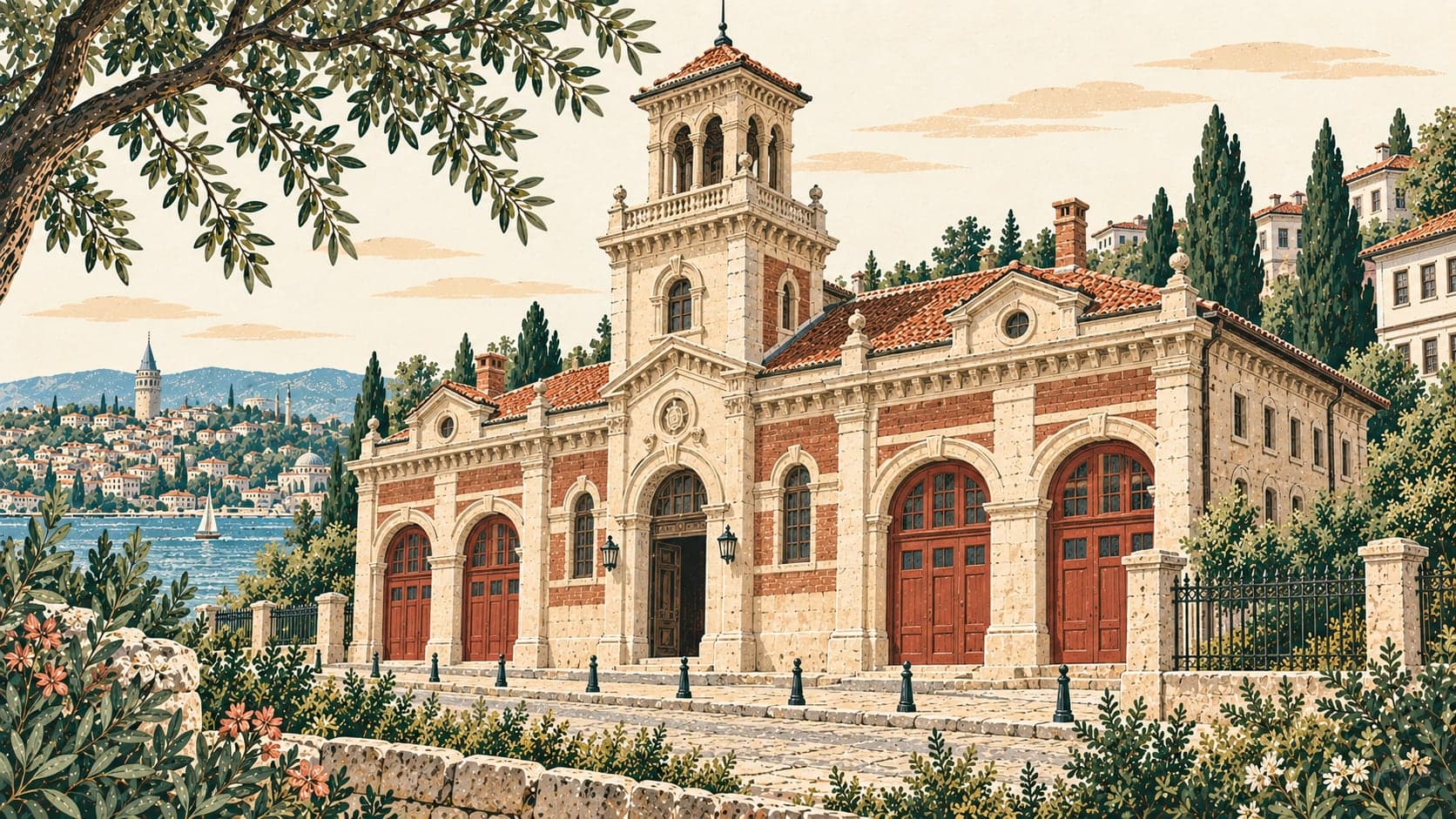
In 2008 the Fatih building went into a general restoration and the museum had to leave. The collection spent about two years stored with the Başakşehir fire group before moving to its present home in Beşiktaş, the building known as the Kılıç Ali Pasha cistern, where it was catalogued and laid out to a new plan. Since 1996 the museum has been run by the municipality's libraries and museums directorate rather than by the fire department.
The collection spans three hundred years, and it is the equipment that makes it: the earliest hand pumps — the canopied type — neighbourhood pumps, pressurised pumps, the first motorised pump, a horse-drawn pump cart, a canvas cistern, ladders including a fire ladder, gloves, fire lanterns, rescue ropes, masks and their filters, a telephone exchange, distribution taps, the dress of both the old pump crews and modern firefighters, fire helmets, officers' fire axes and assorted headgear.
The history is told in four stages, of which the museum's page sets out the first. Pumps in the 17th century were used only to empty water out of ships; the version developed for firefighting dates to 1714. A French engineer who converted to Islam and took the name Davud — known as Davud-u Hakiki, the true Davud — built a modified pump of this kind, and after it was used successfully against fires in the Tufekhane and then the Tophane quarters, the grand vizier Nevşehirli Damat İbrahim Pasha put him at the head of the imperial pump corps.
Because this is the museum of a living profession, it also works as a teaching centre: groups from pre-school to university age are given the history of the fire service and of the museum.