Guide
This World Heritage listing does not cover a single monument but four separate areas of the old city. The peninsula they sit on is bounded by the Golden Horn to the north, the Bosphorus to the east and the Sea of Marmara to the south, and is known today as the Historic Peninsula. A settlement was founded here in the seventh century BC, and the ground between those three waters has been built on ever since.
What made the place matter is where it stands. The peninsula sits on the crossing between Europe and Asia, and every power that held it treated it as the centre of its world: it served in turn as the capital of the Roman, the Eastern Roman and the Ottoman empires. The listing recognises what that succession left behind — the buildings, faiths and communities of three empires gathered in one small geography.
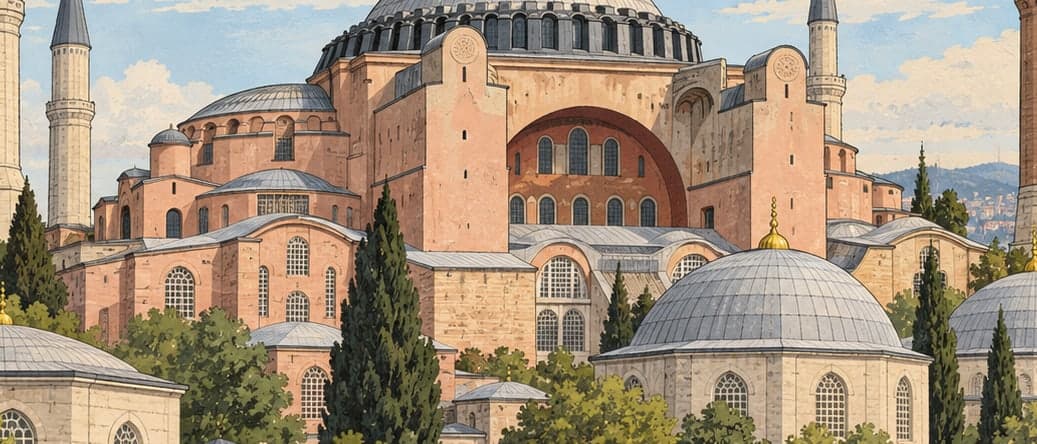
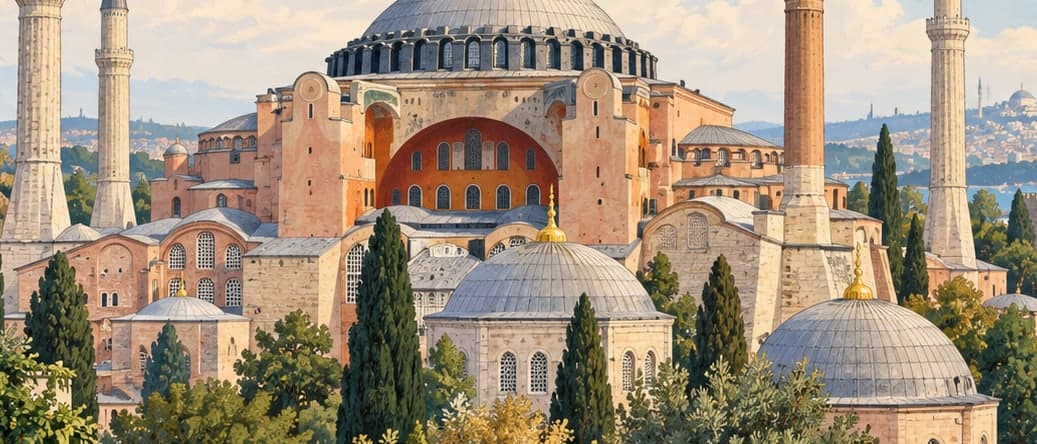
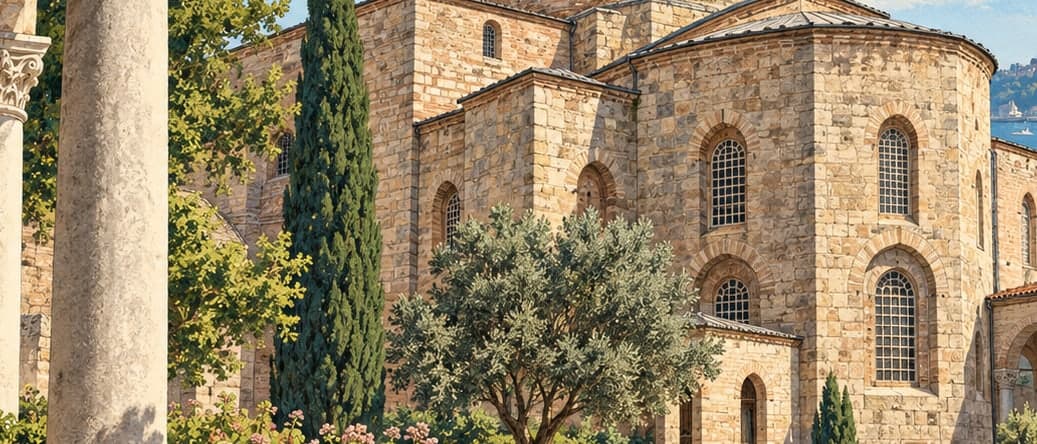
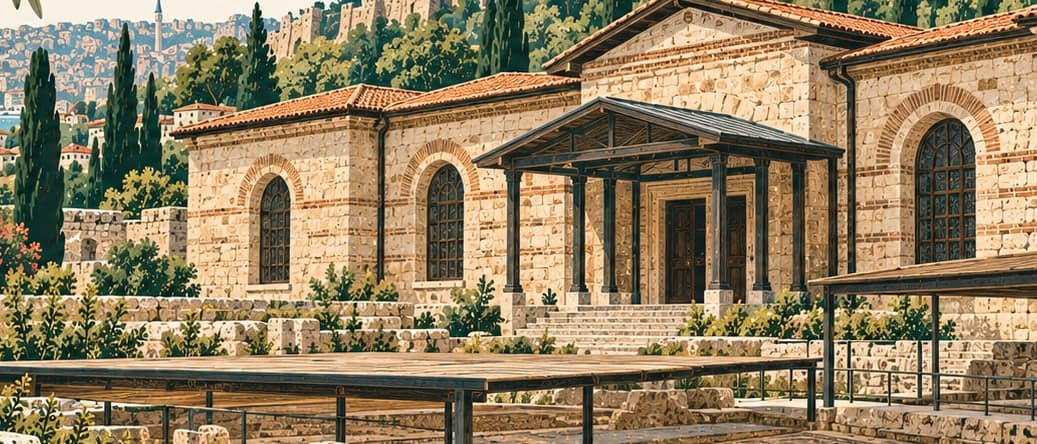
The four areas were inscribed together in 1985, as number 356 on the list, under four of the cultural criteria. The first is the Sultanahmet Archaeological Urban Site, which takes in the Hippodrome, Hagia Sophia, Hagia Irene, the Little Hagia Sophia and Topkapı Palace. The second and third are the conservation areas around the Süleymaniye Mosque and the Zeyrek Mosque. The fourth follows the Theodosian land walls along the western edge of the peninsula.
For a visitor this means the listing is a route rather than an address. The Sultanahmet group can be walked in a day and each of its buildings has its own opening hours and ticket; Süleymaniye and Zeyrek are working mosques on the hills above the Golden Horn; the land walls run for several kilometres and are reached at separate gates. The site management directorate and the museums inside the area publish their own visiting details.