Guide
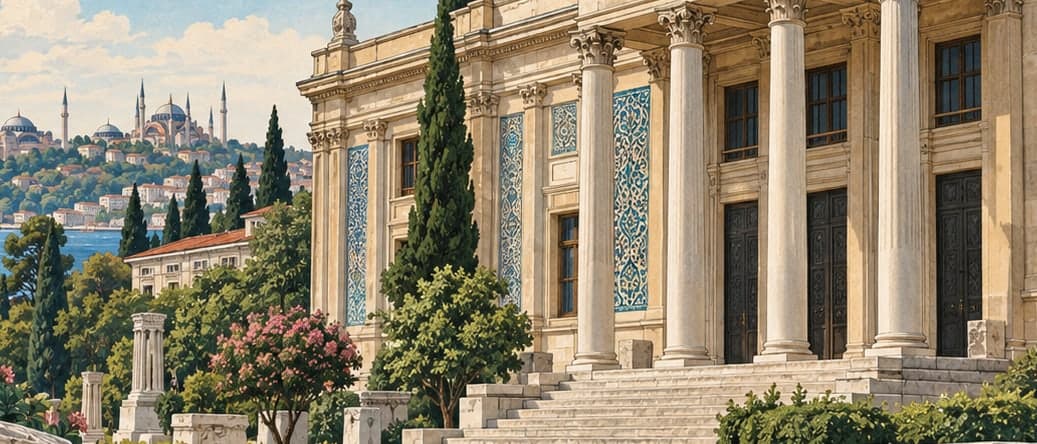
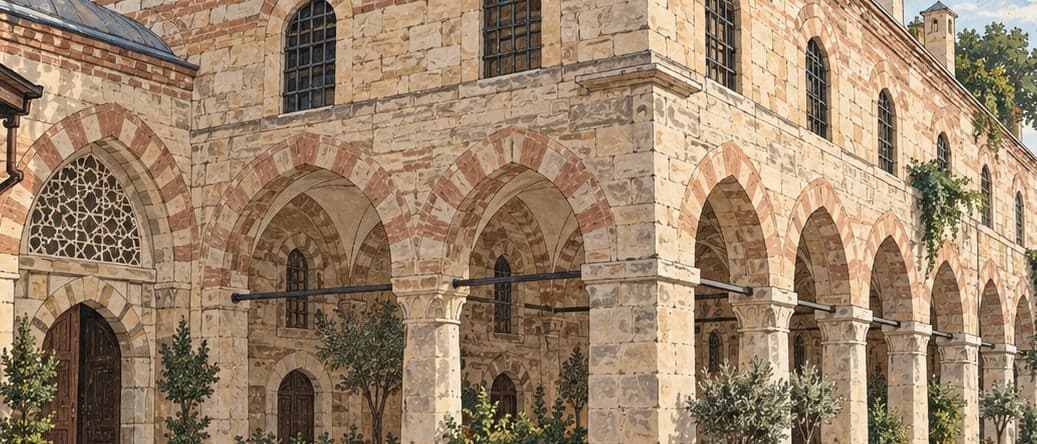
The Museum of the History of Science and Technology in Islam opened on 25 May 2008 in the Has Ahırlar building, the former imperial stables, inside Gülhane Park in İstanbul.
What it shows are working models of scientific and technical instruments devised by Muslim scholars between the ninth and the sixteenth centuries. The collection was prepared by Professor Fuat Sezgin, an honorary member of the Turkish Academy of Sciences and a member of the teaching staff at the University of Frankfurt.
The display is laid out in twelve sections, among them astronomy, clocks and seafaring, military technology, medicine, mining, physics, mathematics and geometry, architecture and town planning, chemistry, optics, and geography.
Alongside the instruments, the museum gives room to what European writers have said about learning in the Islamic world: the German thinker Johann Wolfgang von Goethe on the worth of learning the languages of Islam and reading its sources without an intermediary, Franz Rosenthal on the central place that knowledge held in Islam and what that meant for the translation movement, and Eilhard Wiedemann on the weight given to experiment by Muslim scholars, with al-Bīrūnī's measurements of specific weights and Ibn al-Haytham's work on shadows as his examples.