Guide
Korykos is in the Erdemli district of Mersin, and its history runs from the Hittite period through the Hellenistic, Roman, Byzantine and Armenian periods; for much of that time it was one of the significant harbours of the Mediterranean. Herodotus, the portal notes, has it founded by a Cypriot prince named Korykos, or Gorgos.
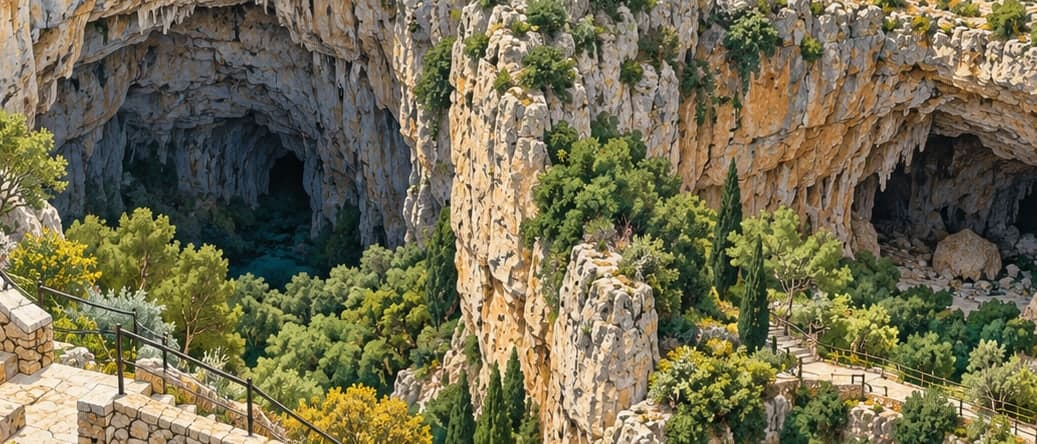
It struck its own coins in the first century BC. The harbour made it, and under Rome it spent five hundred years as a centre of olive growing and of the trade in oil and wine. It is now among the best preserved ancient cities of Rough Cilicia. The settlement runs from north-east to south-west, taking in the harbour, and reaches Elaiussa Sebaste to the east and the sinkholes of Heaven and Hell to the west; the earliest information about it is Hellenistic. Egyptians, Romans, Byzantines, Isaurians, Sasanians, Arabs and the Kingdom of Cyprus all held it in turn. Its golden age was Roman and its importance carried on through the Middle Ages; it was taken by İbrahim II of the Karamanids in 1448 and passed to the Ottomans in 1473–74, after which it declined.
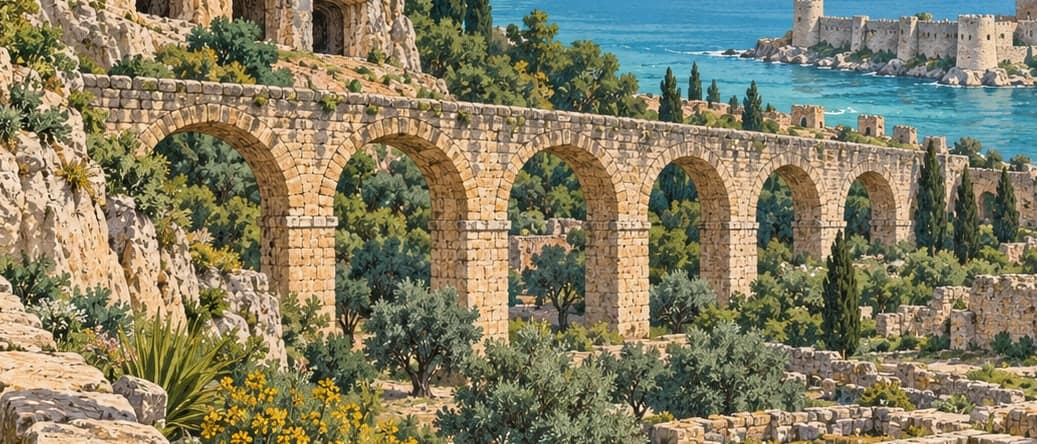
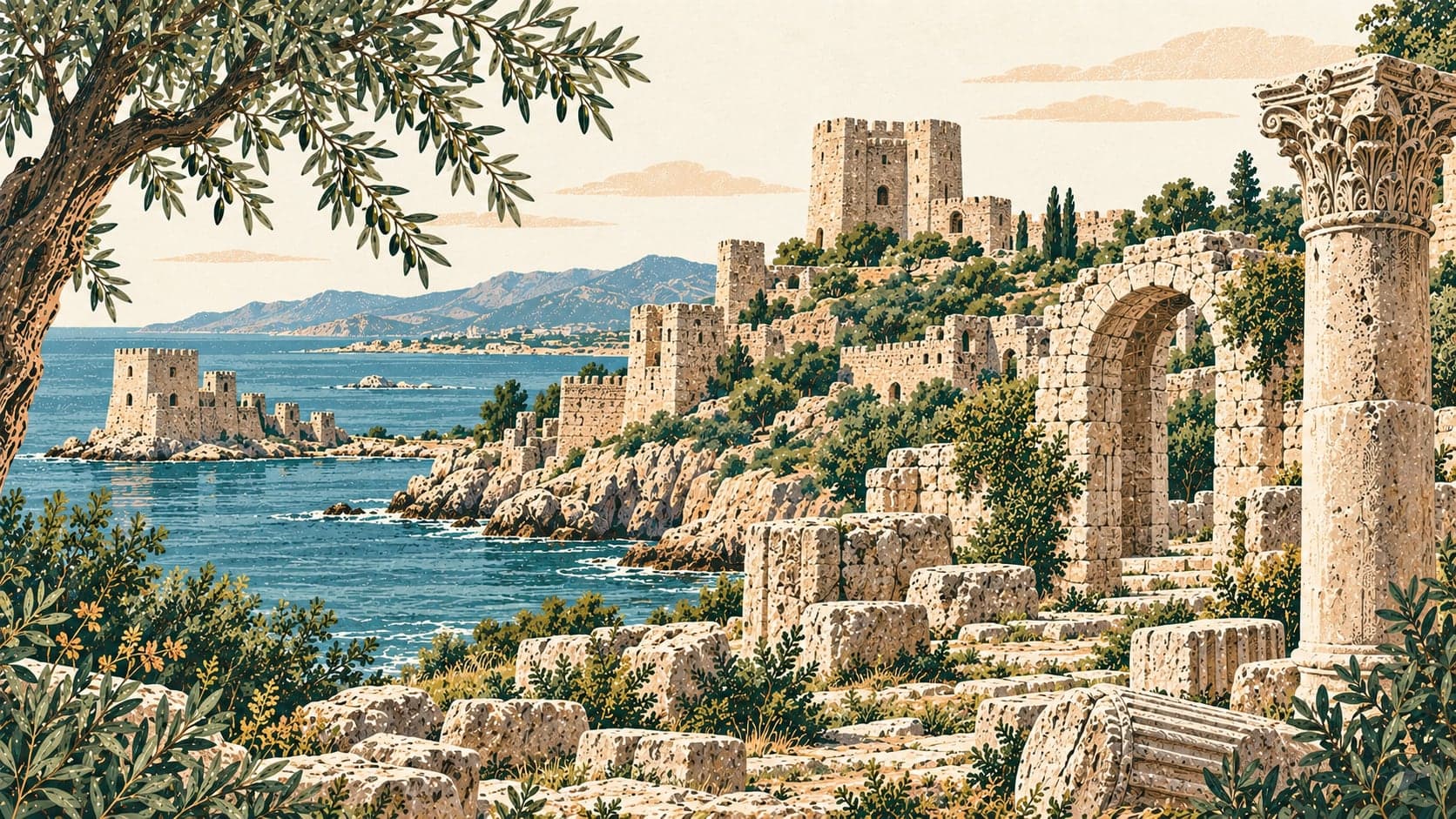
The urban form that began in the Hellenistic period used the geography to make a defensible city, and produced a double defence of a sea castle and a land castle that has no other example in the region. The emperor Alexios I had the land castle built in 1099 by the architect Megas Drungarios Eustathios, who also built the castle at Silifke; both served as stopping points for travellers going by sea from İstanbul to the holy land. The emperor Leo I had the sea castle built in 1199, about 600 metres off the shore — this is Kızkalesi, the Maiden's Castle, the best known building of the site today.
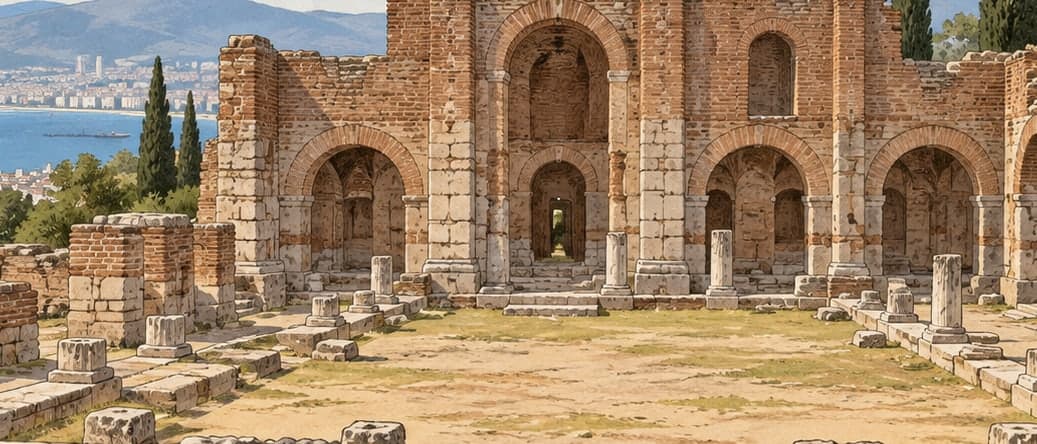
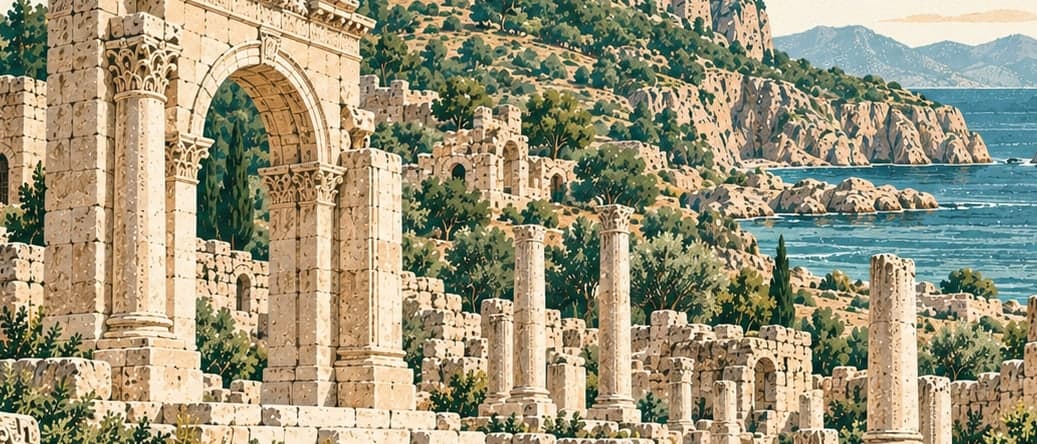
The rest of the city is legible on the ground: the harbour gate, the necropolis, the two castles, a large and a small temple, churches one after another, a colonnaded street, the north gate, and a large and a small bath.