Guide
The mosque was built by Mimar Sinan for Damat Rüstem Paşa, grand vizier to Süleyman the Magnificent and husband of his daughter Mihrimah Sultan. A water deed of 1562 states that the mosque was finished, but although the document says so, Sinan was still occupied in that year with fixing and preparing the site; completion is estimated at some point between 1562 and 1564.
An earlier small mosque stood here, known as the Halil Efendi Mescidi or the Kenise Mescidi. Because its site lay in a hollow, Sinan built shops beneath it to form a raised base, and the Rüstem Paşa Mosque was founded on that spot.
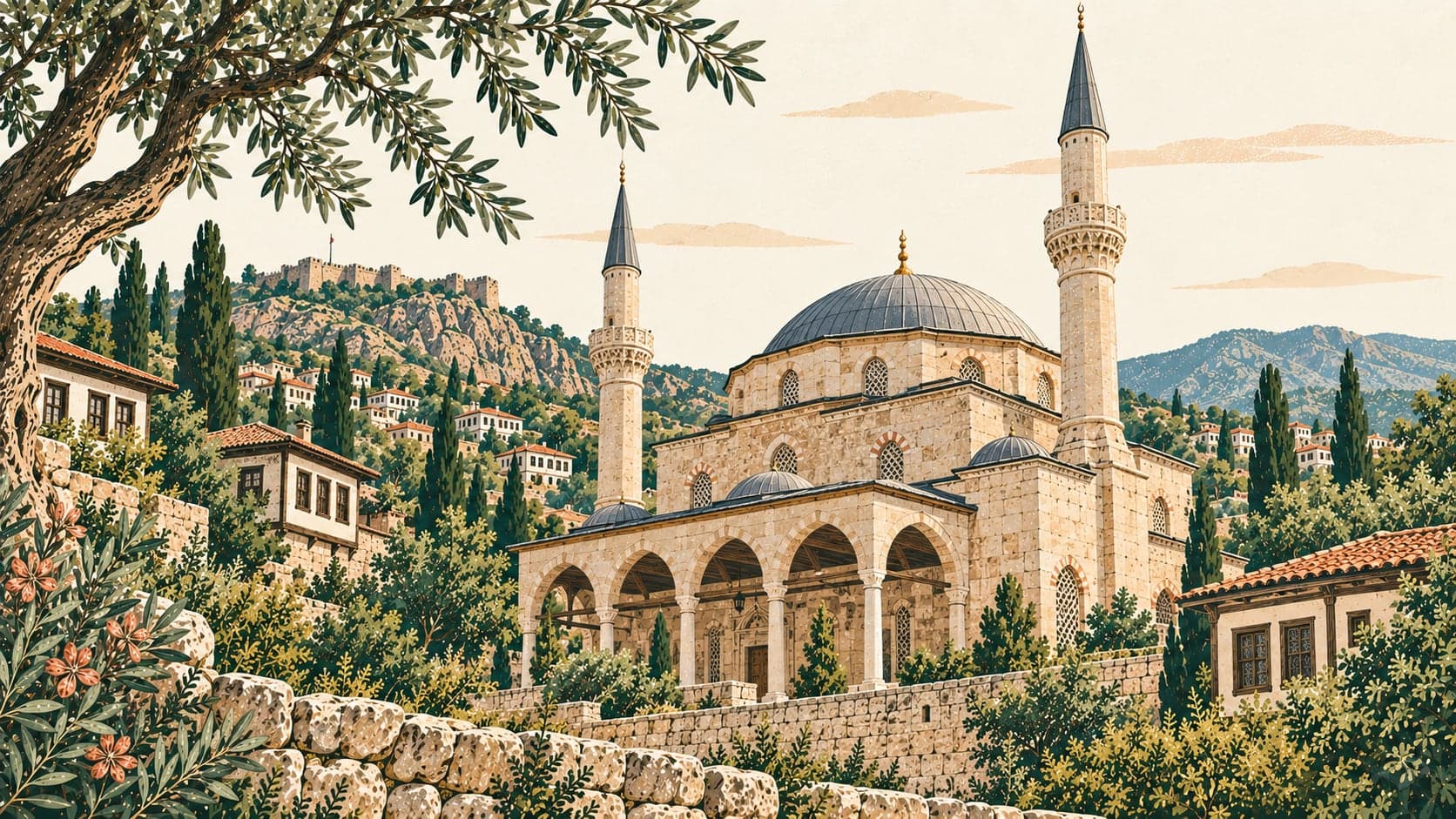
The mosque is reached by stairs on two sides. Its plan is rectangular, and the central dome rests through arches on four piers and on columns. The porch has six columns and five domes; arches, columns and a section with a wooden roof and eaves were added in front of it later. The shadirvan stands on the left.
The whole of the interior up to the skirts of the dome is faced in tiles. The tiles with tulip motifs in particular are counted among the most accomplished examples of Ottoman tile work.