Guide
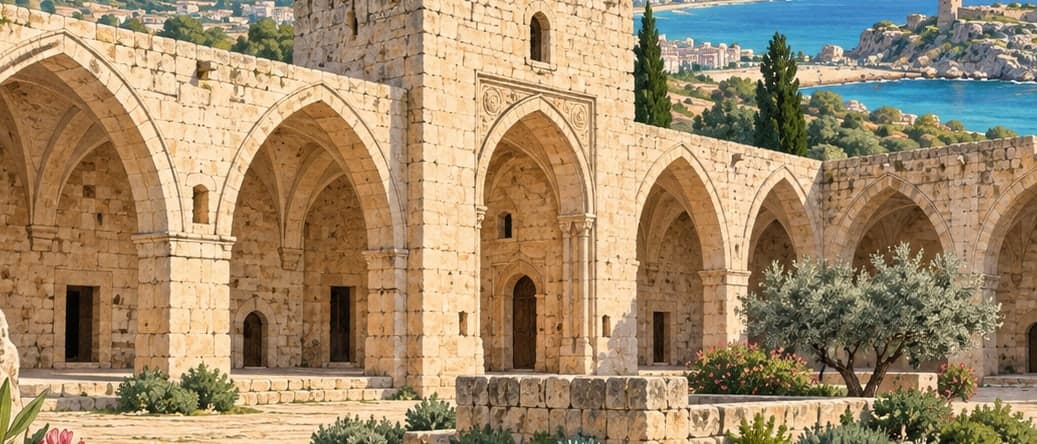
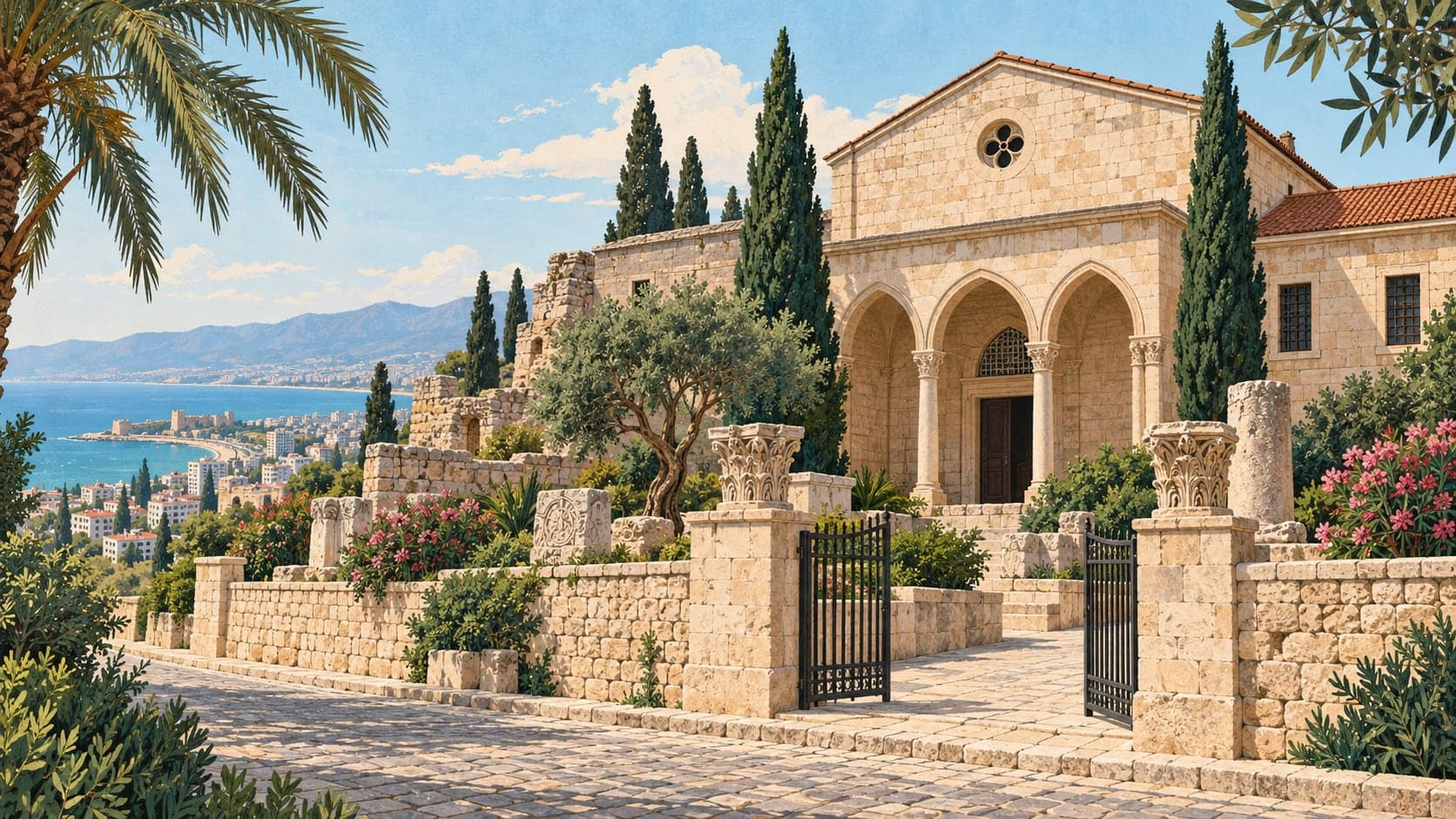
The St Paul Monument Museum stands in the Sehitkerim quarter of central Tarsus. It was registered as protected in 1994; the ministry began restoring it in 1997, finished in 2001, and opened the church as a monument museum, expropriating the surrounding properties as part of the work.
The reason it matters is scarcity. After Christianity was officially recognised in the 4th century and religious pressure lifted, churches spread, and from the 5th century onwards a great many were built in the name of Saint Paul. Several of them stood in Tarsus, his birthplace — as far as is known from European travellers who came here. Only one of those has survived, and this is it.
The building covers 460 square metres. The main entrance on the north is monumental, and the church's well stands in the garden just inside it. On the west of the rectangular building is a vaulted porch carried on four columns, its interior painted sky blue with stylised plant motifs in the corners; behind it the arched main door, with a window on either side. The column capitals are painted in a Corinthian manner. The floor is laid in white and black marble slabs, with a small area of triangular black and white marble marking the ground in front of the place of prayer. A carved marble screen separates the sanctuary where the central aisle meets the apse. Niches in the inner walls were made for icons and images of saints, and there are similar niches in the small side apses.
The painting is the thing to look up at. Beside the round window over the central apse, at the east end of the nave, two angels are shown among clouds with a landscape below them; in the vault above the angels is an eye inside a triangle. The next scene shows Christ haloed, with the evangelists at either side, all shown frontally in red and blue. Christ holds his right hand out; the evangelists are writing. On the left are Luke with his bull and, behind him, Matthew, whose figure is destroyed from the shoulders up so that only part of his name can be read. On the right are Mark with his lion and, behind him, John with an eagle.
Two smaller doors open on the north and south. Beside the south door a stone stair with two flights climbs from outside to the wooden mezzanine inside, which is built like a balcony and has landscape paintings along the face of its balustrade.