Guide
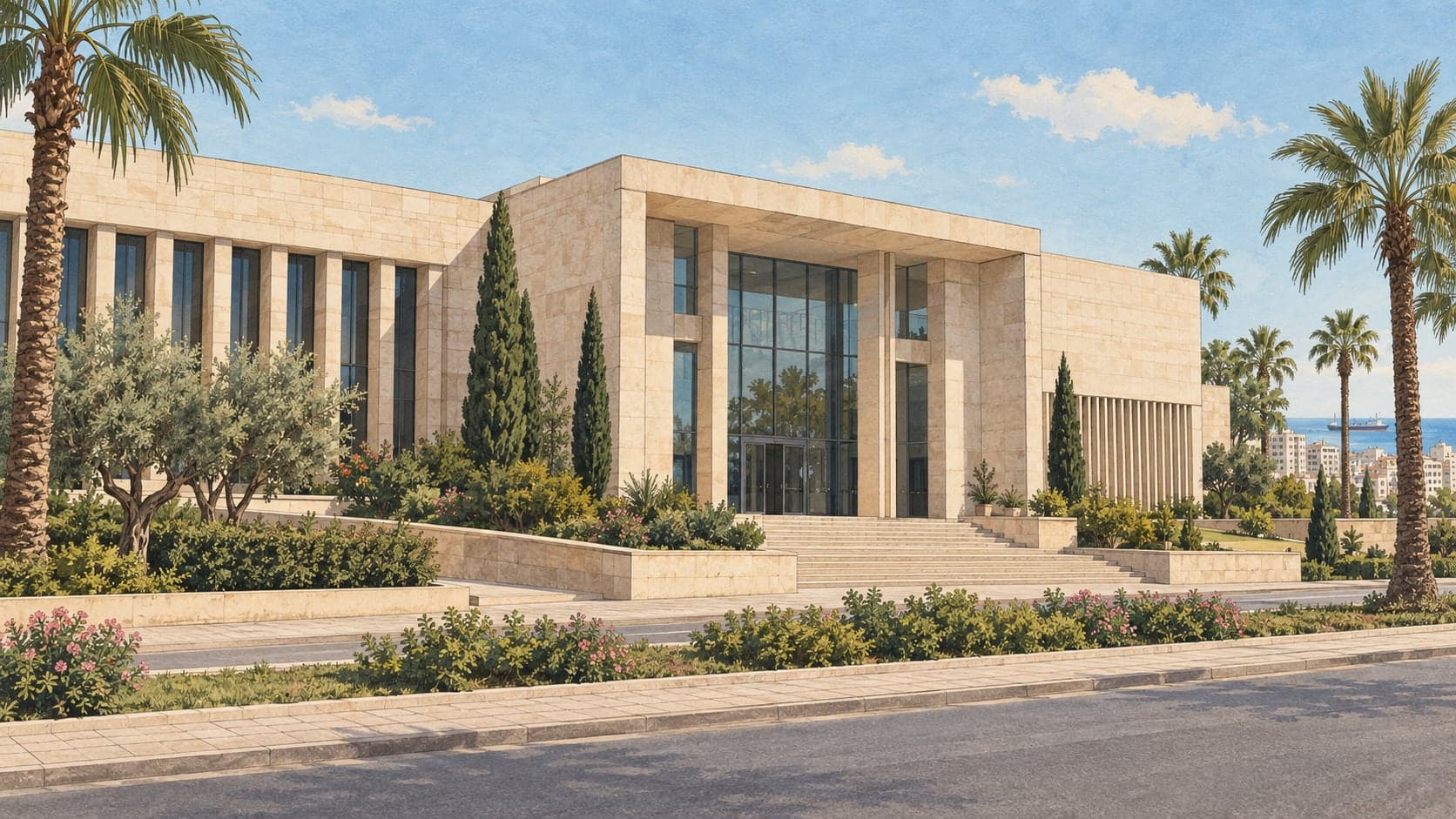
The Mersin Archaeological Museum stands on the shore in Yenişehir, just south of the Muğdat Mosque and beside the Maritime Museum. It is the largest museum in the province; founded as an archaeological museum, it also has an ethnographic section.
The museum was founded in 1978. After moving into the eastern part of the old people's house building it opened for the first time in 1991, and again in 2001 after refurbishment. Because the display halls were too small, a new museum was opened on 18 May 2017.
Mersin has been settled since the Copper Age and holds a great many ancient sites, four of them on the UNESCO tentative world heritage list. For a long time the ancient material from the province was displayed in various museums; four archaeological museums were later founded in Mersin — at Tarsus, Anamur and Silifke, along with this one.
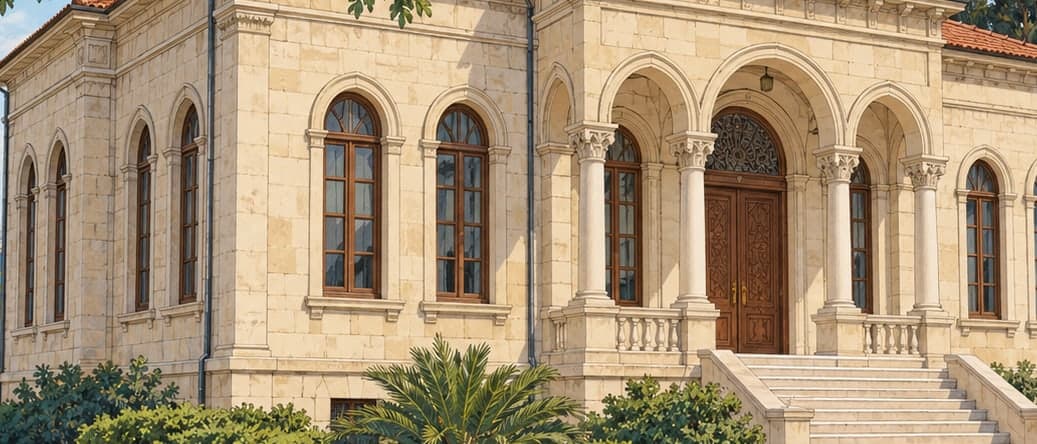
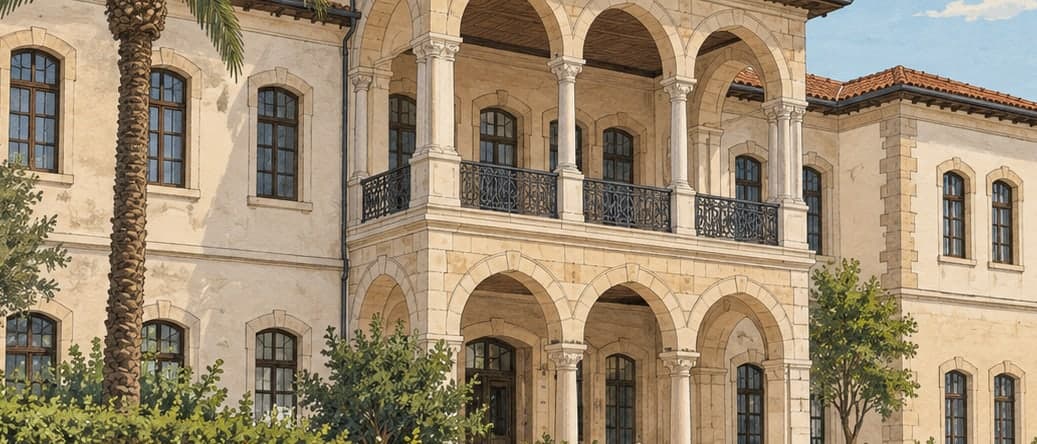
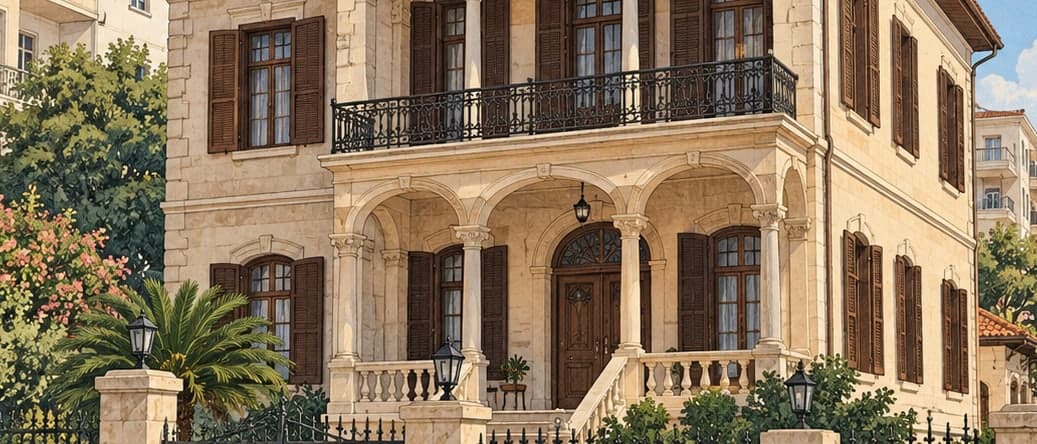
The building stands on Adnan Menderes Boulevard, with the Muğdat Mosque to the north and the Maritime Museum to the west. With its garden it covers more than seven dönüm and has two floors. Besides the display halls and the administrative offices it holds a library, a small conference room, a counter selling souvenirs and a playroom for children.
Finds from the mound of Yumuktepe, which reaches back to about 7000 BC, from the ancient city of Soli and from the excavation at Elaiussa Sebaste at Ayaş are displayed in the new building. In all, 1,435 archaeological and ethnographic objects and coins are on show, while the inventory of the display and the stores comes to 6,095 archaeological objects, 24,904 coins, 890 ethnographic pieces and 440 seals. The source gives the total as 32,464, though its own breakdown adds up to 32,329.
A long time tunnel runs through the building, giving short texts and pictures in order of date for the Copper, Bronze and Iron Ages, the Roman and Byzantine periods, the Seljuks, the Ottomans and the republic. On the lower floor are a diorama of a Neolithic dwelling, an ancient olive workshop and a pool of amphorae; the upper floor holds the ancient material from the Mersin region — Soli, Elaiussa Sebaste, Yumuktepe, Öküzlü.
Some of the stone works stand in the garden and others in cases. One of the more interesting pieces is the Hellenistic Nagidos inscription brought from the Bozyazı district, and visitors can read the Turkish of the inscription on a screen. Sculpture and column capitals of various kinds are shown as well.