Guide
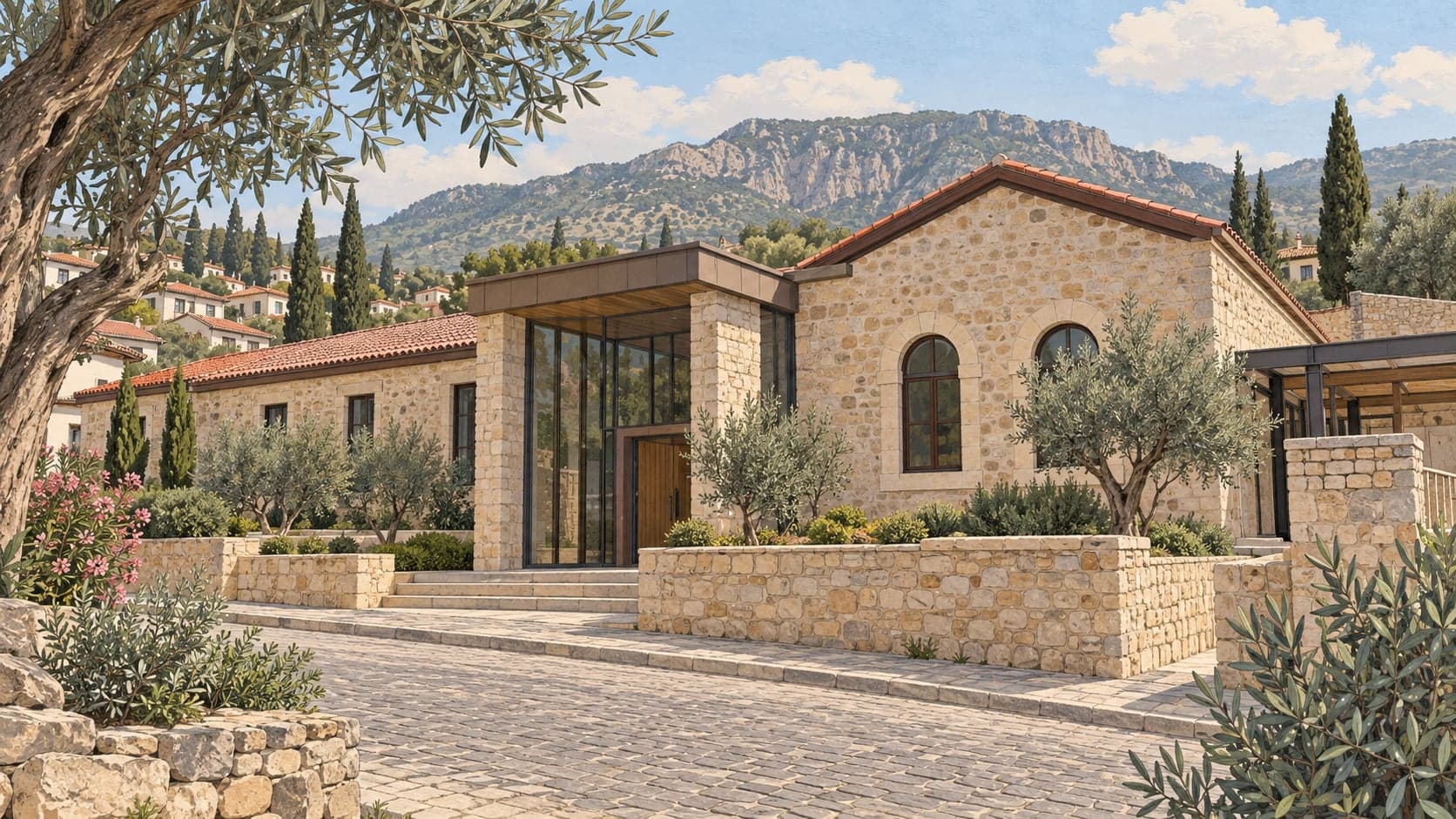
The village comes first here, and the museum second. Vakıflı, in Samandağ, is described by the museum as the one Armenian village in Türkiye that has kept its communal life, its customs and its language, and that claim is what the collection is built to document. The villagers set the museum up themselves, with support from the regional development agency DOĞAKA, to pass the village's way of living on; they call it the Musadağ Museum, since it covers the neighbouring villages of the mountain as well as their own.
Much of it is archive rather than object. Keeping a diary is a village habit — the diaries of the village elders in particular — and a microfilm desk holds every family diary and family photograph archive from the Musadağ villages that could be traced, open to researchers as well as to visitors. Around it, information panels and reconstructed scenes carry the subjects the village counts as its own: language and religion, feast days, sayings, farming, needle lace, stonework, silkworm raising, and harisa.
There is also a film room. The film is about ordinary days in Vakıflı, and the people in it are villagers who live there through both summer and winter.