Guide
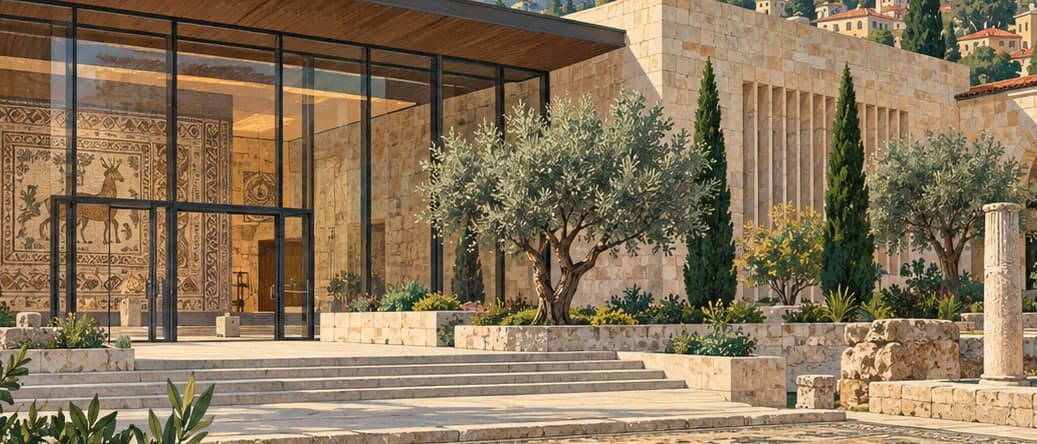
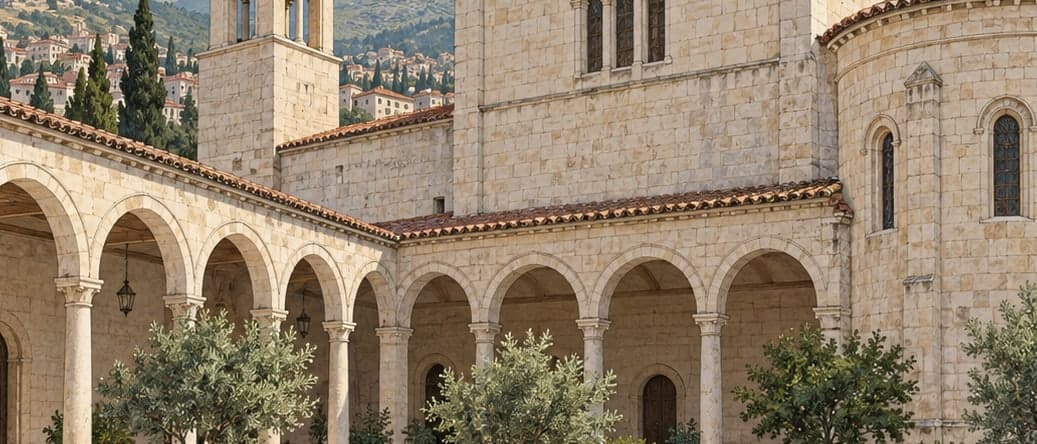
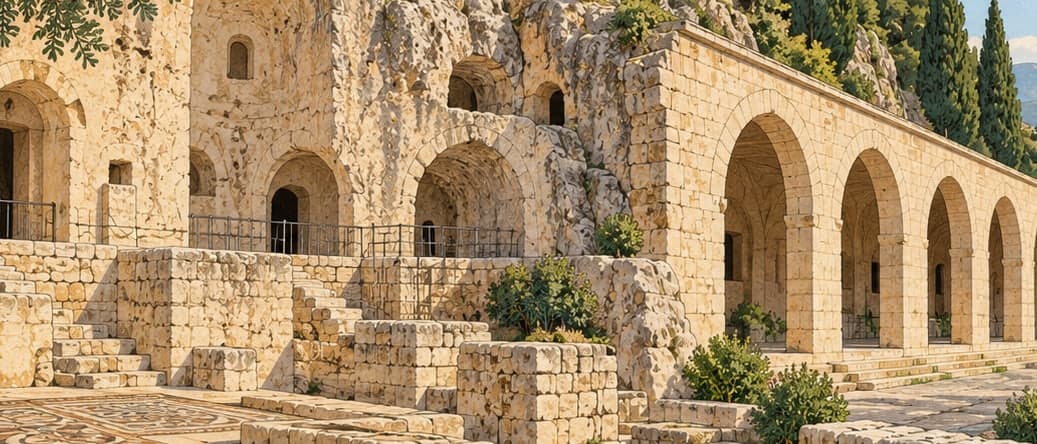
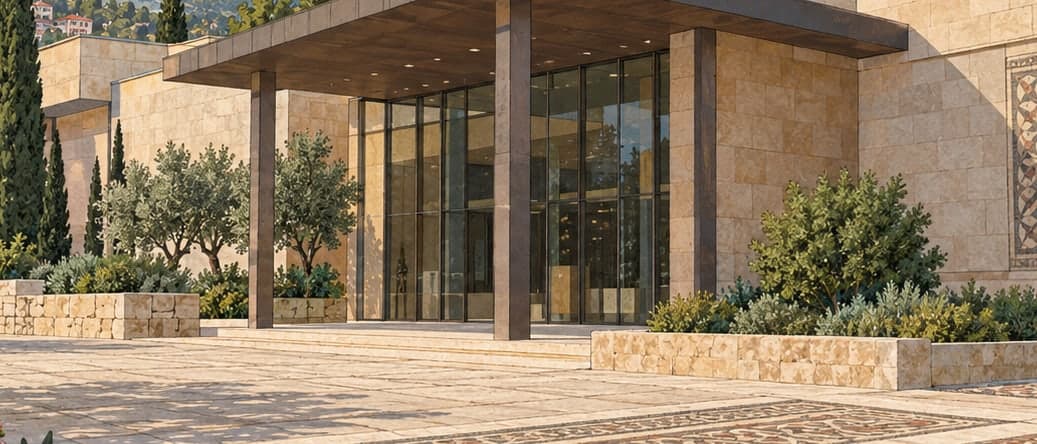
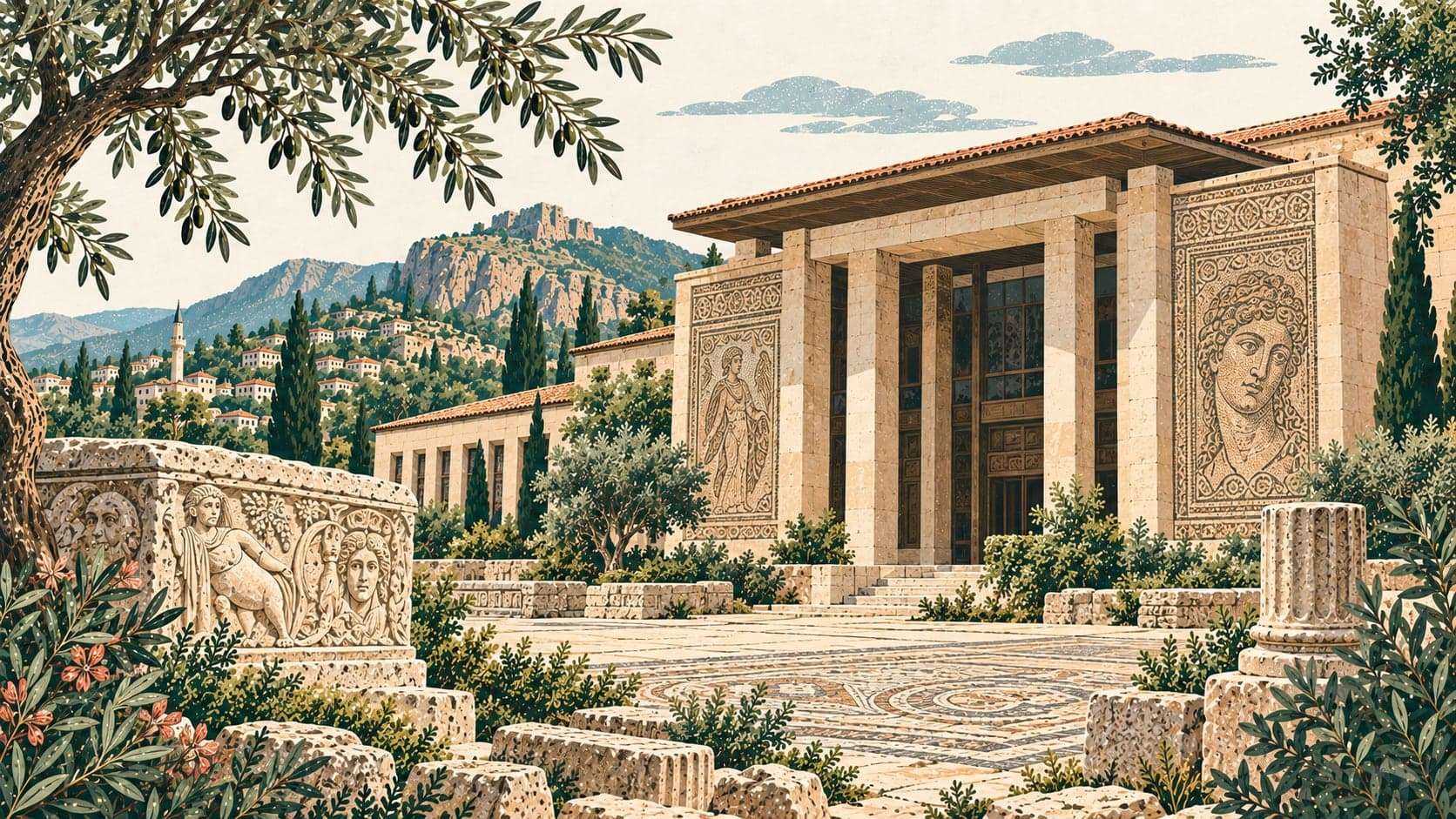
The Hatay Archaeological Museum stands on Cumhuriyet Meydanı in Antakya, on the bank of the Orontes near the bridge. The source records that as of 28 December 2014 it held the largest mosaic display area in the world, and elsewhere that during its working life it held the title of third largest mosaic museum in the world; the two statements are not reconciled in the source.
The works displayed belong to the Hittite, Hellenistic, Roman and Byzantine periods and come from Harbiye, Antakya, Atçana, Seleucia Pieria and İskenderun. Most were found in the excavations carried out between 1932 and 1939.
Those excavations were run by the Committee for the Excavation of Antioch and its Vicinity, formed by Princeton University, and the works recovered were dispersed to several countries, where they are kept or displayed in various museums; Princeton University, a private research university in New Jersey, holds rich mosaic works in its own art museum.
Construction of the museum began in 1934, prompted by the excavations begun at Antakya and its surroundings in 1932 and by the proposal of the French archaeologist Claude Prost; at the time this made it the second largest archaeological museum in the world. The building was finished in 1938, and a year later Hatay became a province of the Turkish republic. The museum opened to visitors on 23 July 1948 and was revised in 1975.
The collection is displayed in eight halls and in the garden, arranged to suit the places the works came from. The halls have wide windows to admit natural light.
The museum was partly damaged in the Gaziantep–Kahramanmaraş earthquakes of 2023, and under measures taken by the Ministry of Culture and Tourism it has been placed under watch with additional security staff and cameras.