Guide
Arsuz sits on a strip of coast between the Amanos mountains and the Mediterranean, on a peninsula reaching into one of the finer bays of that sea. Clean water and fine sand have made it a tourism centre for the region, and the surroundings hold high pasture, springs, hunting country and a kitchen of its own alongside the beaches.
The finds and the written sources agree that its brightest period was Roman. Strabo counted it among the important cities of Cilicia. A legend adds a beginning to that: Seleucus I Nicator, founder of the city known in antiquity as Antioch and today as Antakya, is said to have come ashore at Arsuz around 300 BC and to have married Stratonice, daughter of Demetrius, here.
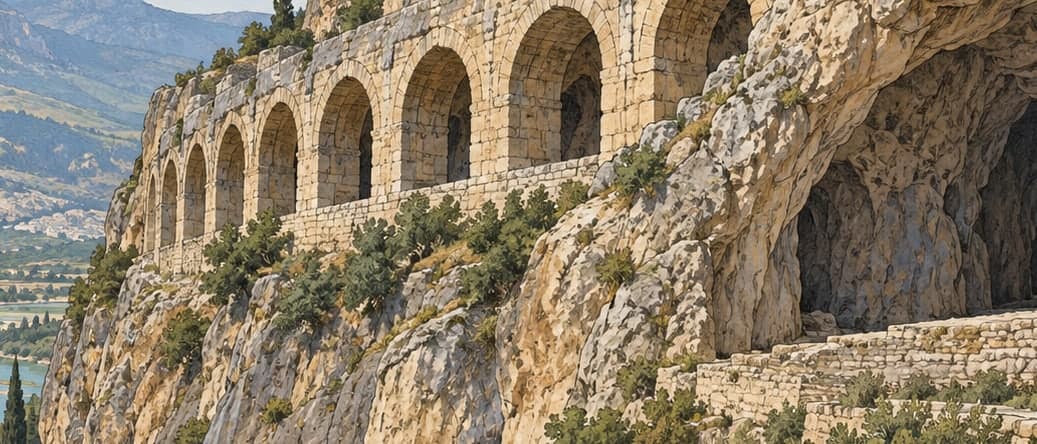
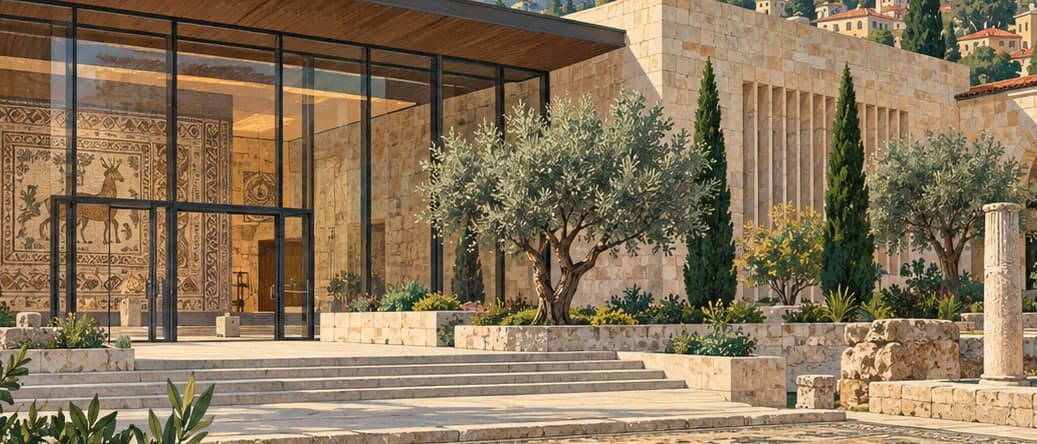
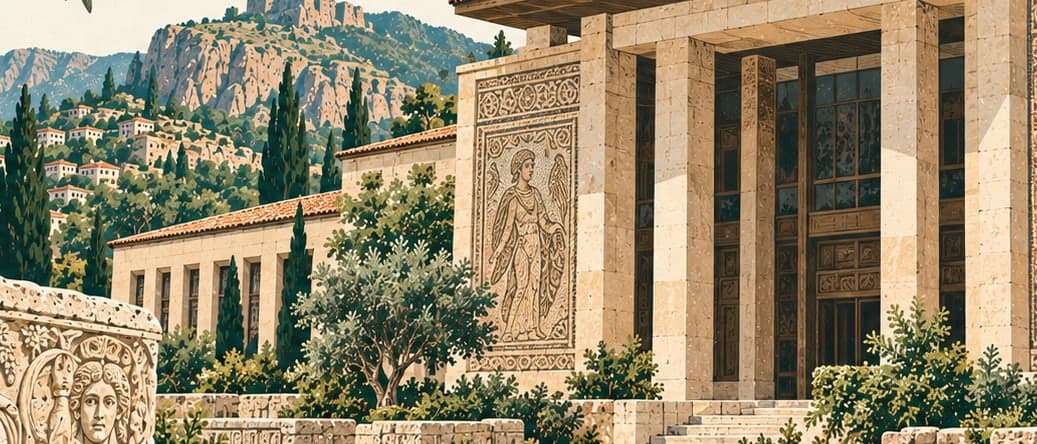
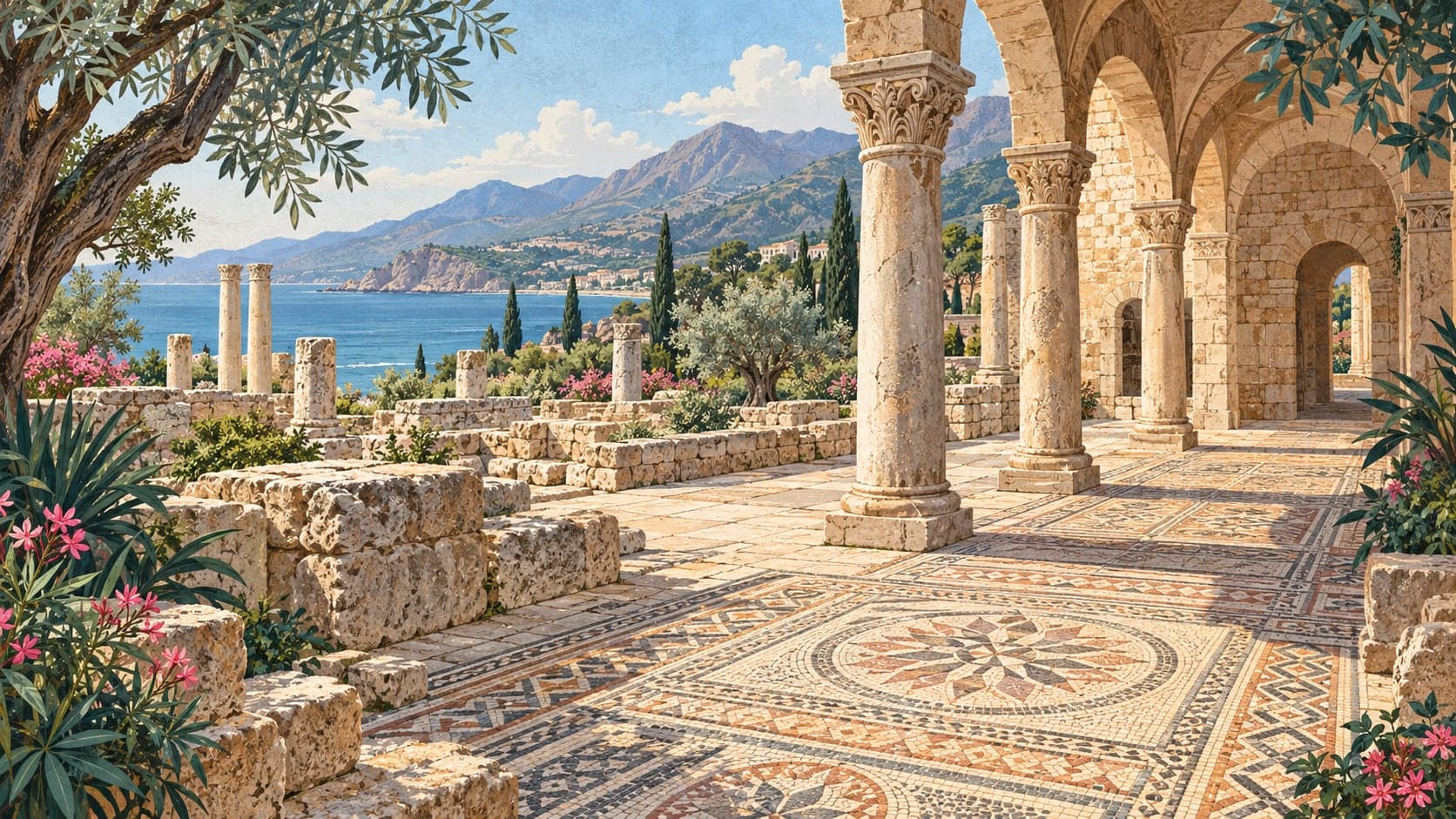
The place was known in the Middle Ages as Port Bonel; from the city of Rosun there survive a necropolis, ancient building remains and mosaics. Eight kilometres to the south, the Columned Harbour is what is left of a Hellenistic port. In the centre of Arsuz, the church known as Mario Hanna was built in 1778 and restored in the nineteenth century; the rich interior, the bell tower, the service buildings and the graveyard all draw visitors.
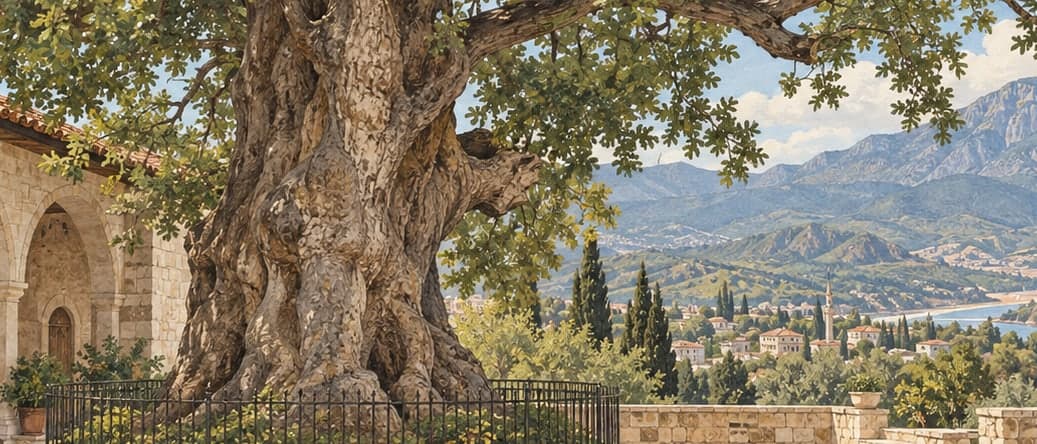
Past Gözcüler and beyond the village of Hacıahmetli, a road branching left runs eight kilometres to the pool known to Christians as the place where the Virgin bathed and held sacred by them; local people call it Seydi. It is entirely wooded, with river and spring water running through it, and a religious ceremony is held there each year on 14 August.