Guide
The ship that carried Mustafa Kemal and his companions to Samsun on 19 May 1919 began as something entirely ordinary. Built at Glasgow in 1878 under the name Trocadero, she carried cargo for years as the Kymi. She sank on 12 December 1891, was raised, repaired and refloated within the same year.
In 1894 she passed to the İdare-i Mahsusa, the Ottoman maritime administration of the day, and began carrying freight and passengers in Ottoman waters under the name Panderma. When that body was renamed the Ottoman Maritime Administration on 28 October 1910, the ship became the Bandırma and was made a mail steamer. After the voyage to Samsun she went back to the mail service, was withdrawn in 1924, sold to the shipbreaker İlhami Selçuk Söker in 1925 and broken up at the Golden Horn within four months.
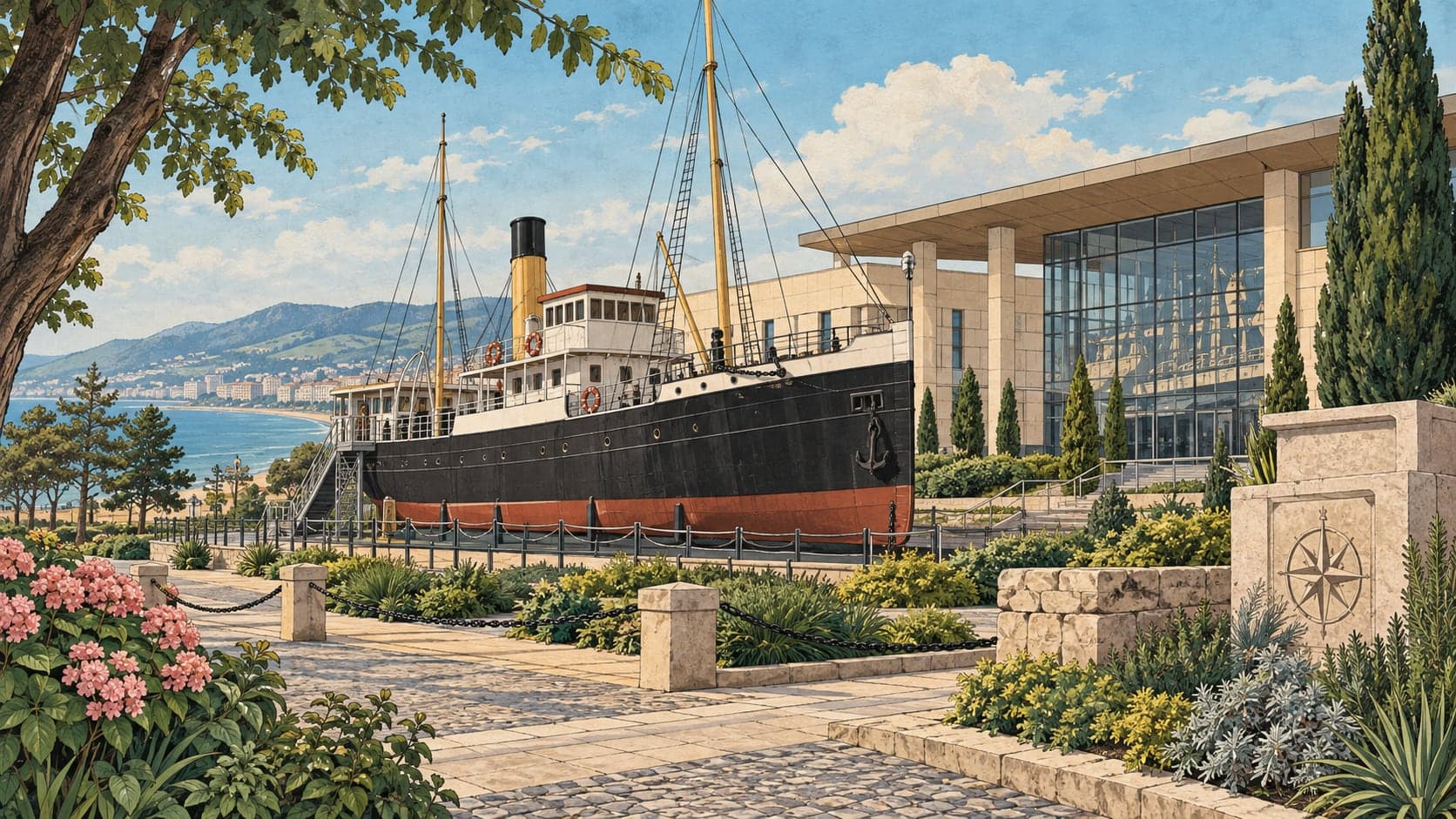
What stands in Samsun today is a reconstruction, built in 1999 from the original drawings. The Samsun metropolitan municipality took over the operation and rights in 2005, turned it into a museum and opened it on 19 May 2006. In the cabin are wax figures of Mustafa Kemal Paşa and four of his companions, shown with a wall clock made in 1878, a telephone, map-measuring instruments, a fire extinguisher, tables and chairs.
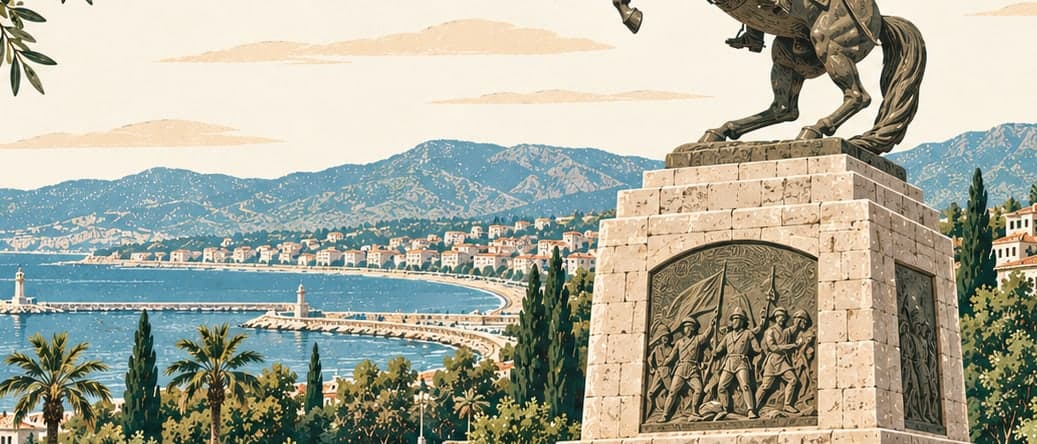
The ship sits within the National Struggle Park and open-air museum, 35,000 square metres of ground carrying ceramic reliefs that run from Çanakkale through to the end of the campaign at İzmir. Also here are the memorial listing the names of 1,200 people from Samsun and its districts killed in the War of Independence, ten bronze reliefs on the National Struggle, a seven-figure Liberation Monument, and the weapons used in the fighting — artillery, rifles, a torpedo, naval mines and anti-aircraft guns.
Visit status for this record: open to visitors.