Guide
Cumalıkızık is a village on the northern skirts of Uludağ, eleven kilometres from the centre of Bursa and now a neighbourhood of the Yıldırım district. It is one of five surviving Kızık villages — the others are Değirmenlikızık, Fidyekızık, Hamanlıkızık and Derekızık — out of a group that once numbered far more; nine more are gone, among them Bayındırkızık and Dallıkızık, Bodurkızık and Ortakızık, Camilikızık, Kiremitçikızık, Kızıkşıhlar, Kızıkçeşme, and the one simply called Kızık. The name kızık was given to the villages hemmed in between the slopes of Uludağ and the valleys. UNESCO placed the village on its Tentative List in 2000 and inscribed it in 2014 as part of the Bursa and Cumalıkızık listing.
Two accounts of the name are told. One holds that the villagers of the other Kızık settlements gathered here for Friday prayers, and that the village was called Cumalıkızık — cuma being Friday — for that reason. The other holds that Osman Bey gave it the name because the day the village was founded was a Friday. Neither is documented; the source gives both as things that are said.
The village was founded as a pious foundation, a vakıf village, and that status is part of why so much survives. Its historic fabric has been very well preserved and with it examples of early Ottoman rural domestic architecture that are rare elsewhere. Unlike neighbouring villages, Cumalıkızık came through the Greek occupation of 1920–22 intact, and so carried its Ottoman cultural and architectural fabric forward whole. Traces of the Byzantine period survive in the settlements nearby, evidence that the Byzantines were present in the area, and a ruined Byzantine church stands in the village itself.
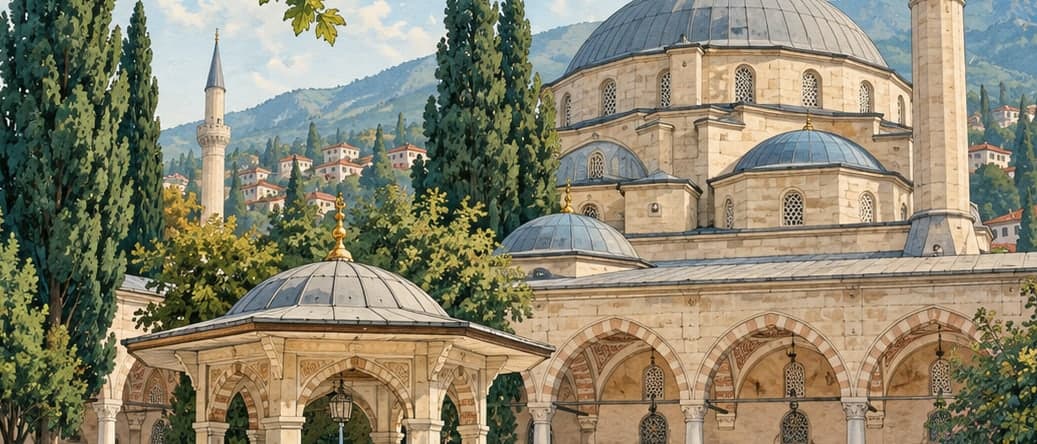
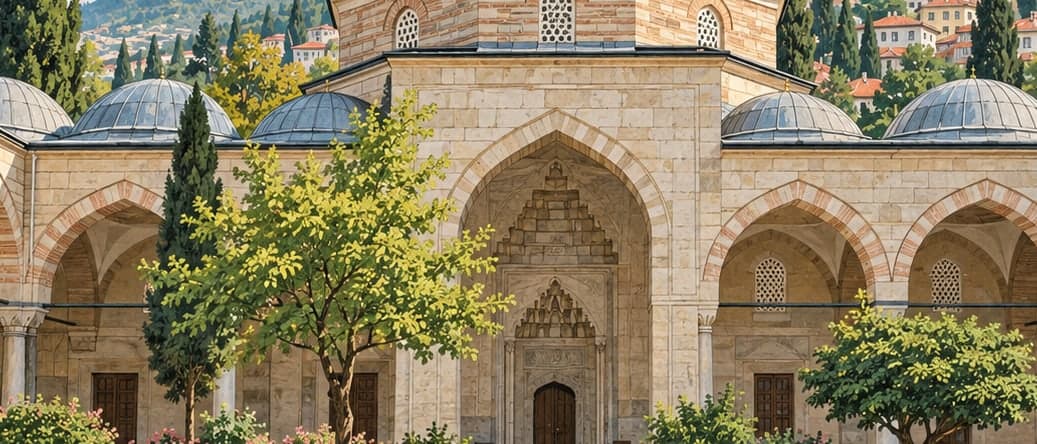
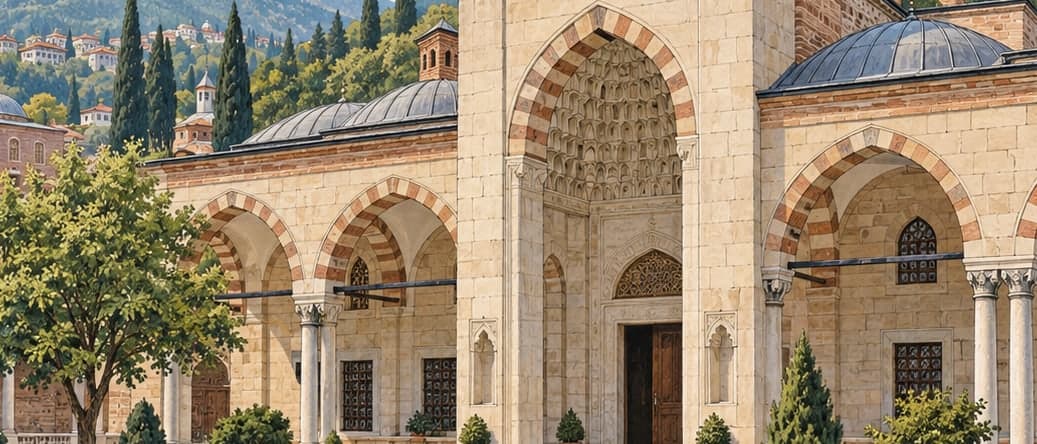
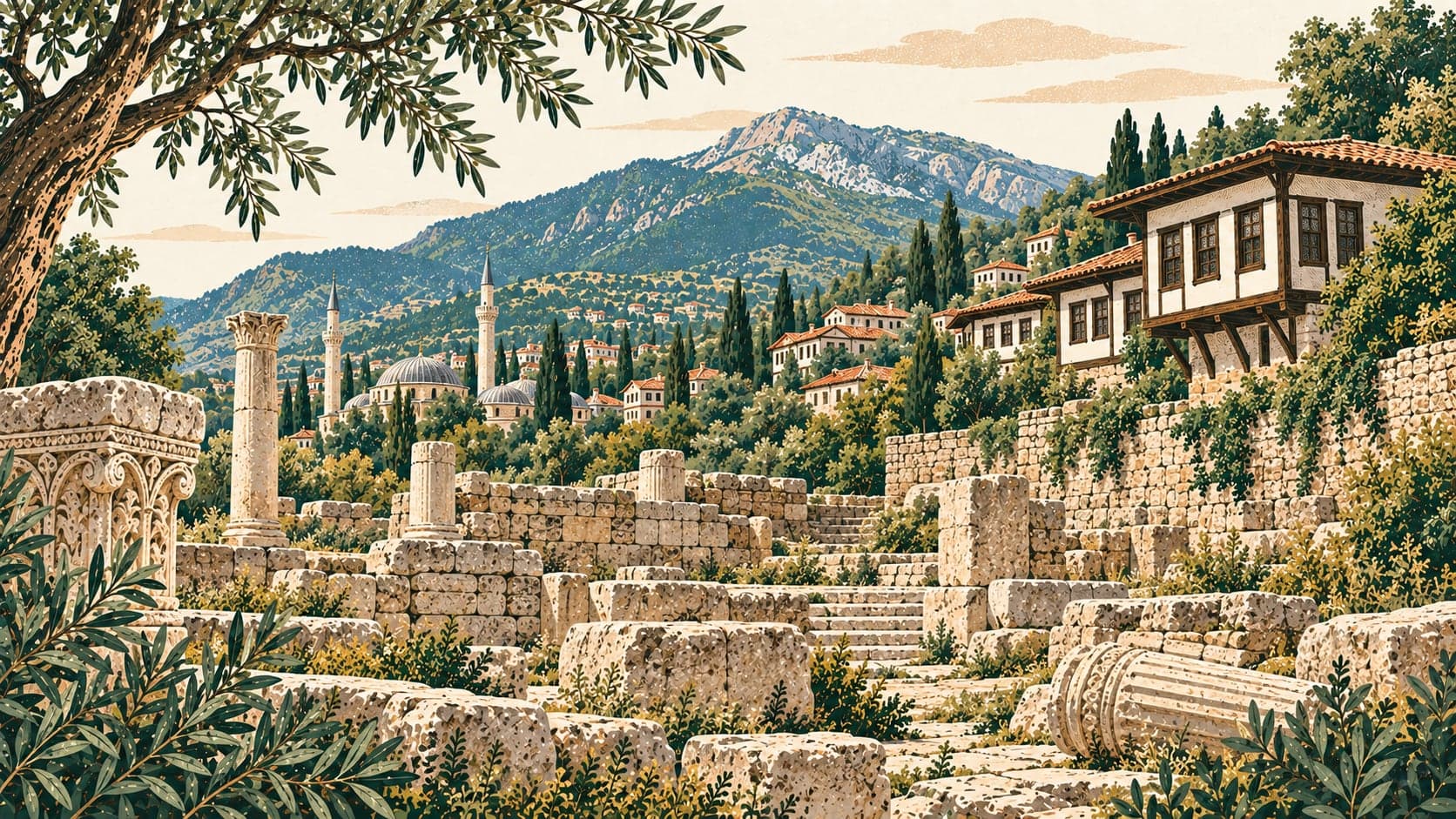
The houses are built of rubble stone, timber and mudbrick, usually of three storeys, with latticed or projecting upper windows and handles and knockers of wrought iron on the main doors. They are painted yellow, white, blue and purple, and stand along very narrow stone-paved streets without pavements. The mosque, the Zekiye Hatun fountain beside it and the single-domed bath date from the Ottoman period. Citrus, walnuts and chestnuts are grown here.
In the village square is the Cumalıkızık Ethnography Museum, opened in 2014 and assembled with the support of the metropolitan municipality and the villagers, where objects from the village's past show the way of life, culture and custom of a seven-hundred-year-old village. The preserved fabric has made Cumalıkızık a frequent location for period film and television, among them the series Kurtuluş on the Turkish War of Independence, Kuruluş on the founding of the Ottoman state, and Kınalı Kar. Work has been done to keep the village's character from being lost, including the Cumalıkızık Conservation and Revitalisation Project.
Getting there
The village is eleven kilometres from central Bursa and the journey takes about twenty minutes on average. One route by public transport is the Bursa metro, which has stops at many points in the city: leave it at Cumalıkızık-Değirmenönü station and change to a minibus, which reaches the village in about five minutes.
When to go
A raspberry festival, the Ahududu Şenliği, is held in the village in June.