Guide
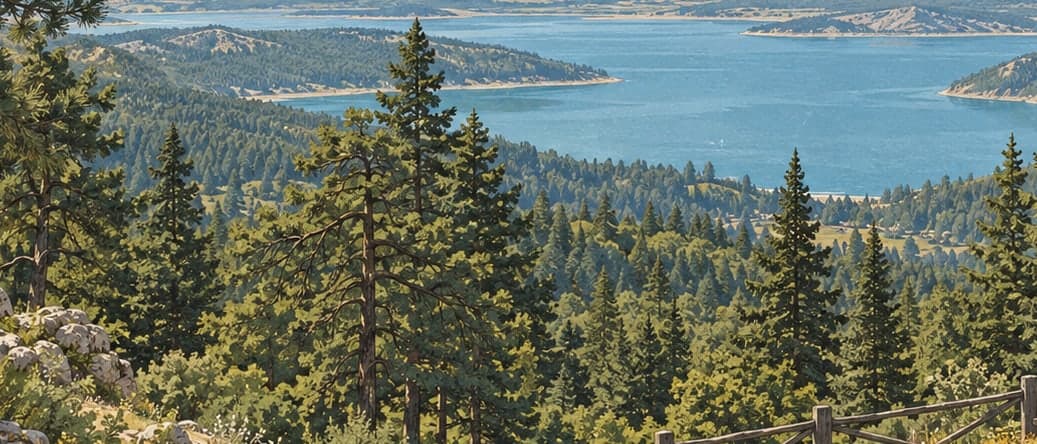
The Lisinia Nature project was begun on the shore of Lake Burdur in 2005 by Öztürk Sarıca, a veterinary surgeon working as a volunteer for the natural world. The name comes from Lisinia, one of the important cities of Pisidia in antiquity, and means the glitter of the rising and setting sun and of moonlight on water.
What set it off was the pace at which the surrounding nature was breaking down, and cancer. Having lost several members of his family to the disease, Sarıca started the project to make people aware of the connection as he understood it. It takes no support and no grants. It also became one of the first officially recognised wildlife rehabilitation centres in the country; the centre was given to the Ministry of Agriculture and Forestry free of charge for ten years, with all its costs met by Sarıca himself.
It has grown and diversified since it was founded and now runs nine separate sub-projects with the help of its volunteers. They cover harmful chemicals and cancer; ecological production and farming methods friendly to the land, including vegetable and fruit gardens grown with no chemicals at all; the propagation and gene conservation of native Turkish animal and plant species, with vegetables and fruit raised each year from old local seed; the wildlife rehabilitation centre itself, where sick and injured wild animals are treated and then released; homeopathy and plant-based treatment in plant, animal and human disease; a volunteer nature warden scheme; and nature education, aimed at people from an early age.
One project is tied directly to the lake. As Lake Burdur retreats, the centre works on using water sparingly within the project area and on the harmful chemicals in drinking water; the aim is to offer villagers an alternative to cattle raising — rose growing, which uses very little water, and lavender, which uses none at all and lives on rainfall — so they can earn without leaving their land and without damaging it.