Guide
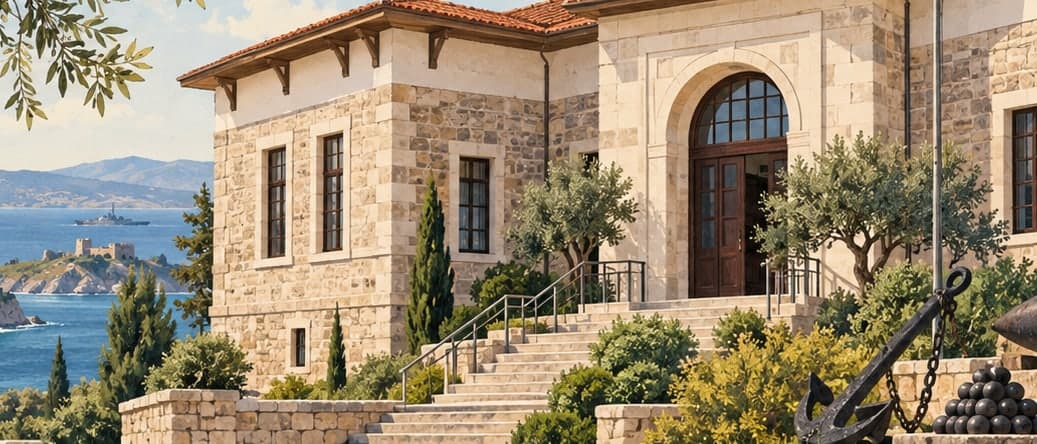
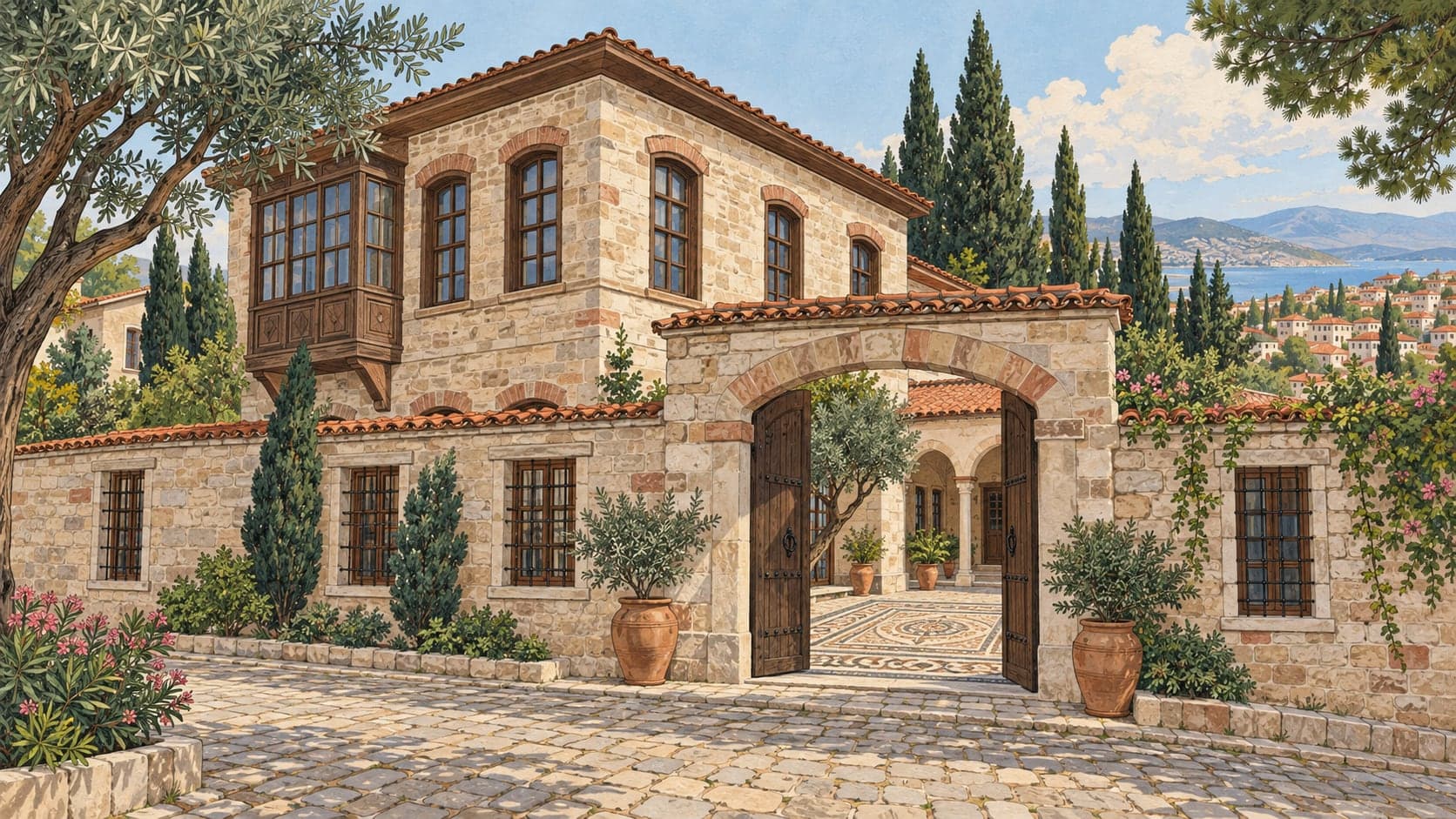
This ethnography museum in Edremit takes the domestic life of the gulf as its subject and gives it about 400 square metres of indoor display space, arranged through the rooms of a traditional house rather than in a single hall. The collections cover everyday life around the Gulf of Edremit, its crafts, and the local memory of the Kuvâ-yi Milliye years.
The visit begins in the courtyard, which is paved with mosaic and holds kitchen implements, a bath section and the pump-fed cooling pool that did the work of a refrigerator before there were any; Roman, Byzantine and Ottoman archaeological pieces are shown here too. The wide hanay on the ground floor carries historical photographs of the old streets and civic life of Edremit, together with a banner embroidered on silk dated 1915, and the same space is used for events.
A separate room is given to the Kuvâ-yi Milliye period, with weapons, bayonets and pistols from the war years and photographs of Mustafa Kemal's visits to Edremit. Upstairs, the sofa, the principal room, the sahnişin and the bridal room hold clothing from the late eighteenth and early nineteenth centuries — bindallı gowns, zeybek dress, children's clothes, üç etek coats and entari robes with the jewellery and ornaments worn with them — and among the pieces the museum singles out is the first white wedding dress worn in Edremit, dated 1907. Carved wooden cupboards, embroidered chests, wooden cradles, hand-woven goat-hair rugs and covers worked on velvet and silk fill out the rooms.