Guide
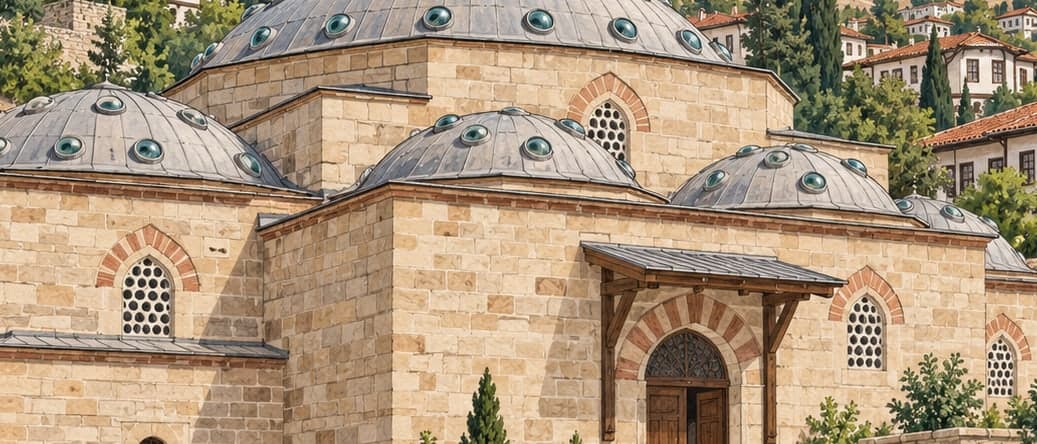
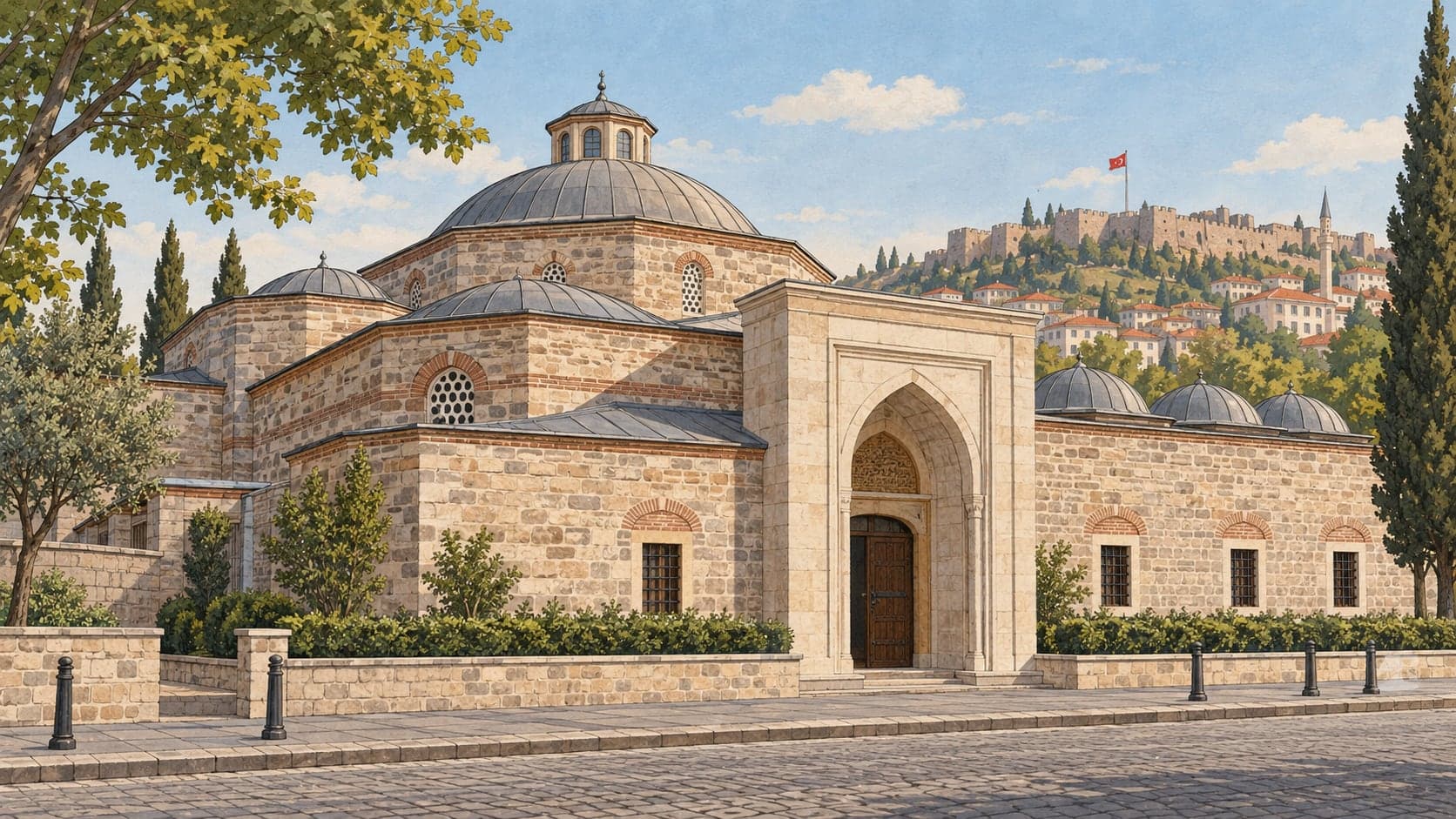
The Turkish Bath Museum is in the Beypazarı district of Ankara. It was founded by Sema Demir, an academic teaching Turkish culture and museum studies at Gazi University, and in its subject it is, according to Turkish Wikipedia, the first bath museum in Türkiye. It opened on 9 June 2012 in the Rüstem Pasha Bath, built in the district in the sixteenth century in the reign of Süleyman the Magnificent.
The aim is to record the culture of the Turkish bath, to show it and to carry it forward. The museum is not made up of objects alone: the storytellers and guides who work here pass the tradition on to visitors in practice, through games and re-enactments. Clogs, copper bowls, ewers, bath wraps, attendants' cushions, towels and scrubbing mitts are among the things on show, and visitors are told about the figures of the bath — the woman and the man who ran it and the stoker.
The cool room, generally known as the changing room, is where people coming to the bath took off their clothes and wrapped themselves in a bath cloth to prepare for washing. In this part of the museum are silk bath wraps, silver-worked clogs, bath bowls, rosewater sprinklers, kohl pots, censers and bath bundles.
The warm room was added to baths so that people would not fall ill by passing straight from the cold into the heat. It is warmer than outside and cooler than the hot room, and those who could not bear the heat, the old and new brides generally used it. Here the museum shows towel sets, clogs inlaid with mother-of-pearl and worked in silver, and handmade olive oil soaps.
The shaving room, usually next to the warm room, was where people saw to their grooming. Travelling barbers were sometimes found in these rooms, and besides cutting hair and shaving they applied traditional treatments such as leeches and cupping. Razors, styles, barbers' basins, cups and other implements are displayed in this part.
The hot room is the part of a bath closest to the furnace and the hottest. In the museum it is divided in two, as a bridegroom's bath and a bride's bath, with displays telling what happened in each of those ceremonies. Ivory combs worked in silver, bath wraps, soap dishes and bowls are shown here as well.
The furnace rooms are where the fire that heated the bath and its water was kept, and the stokers were the men who worked there.