Guide
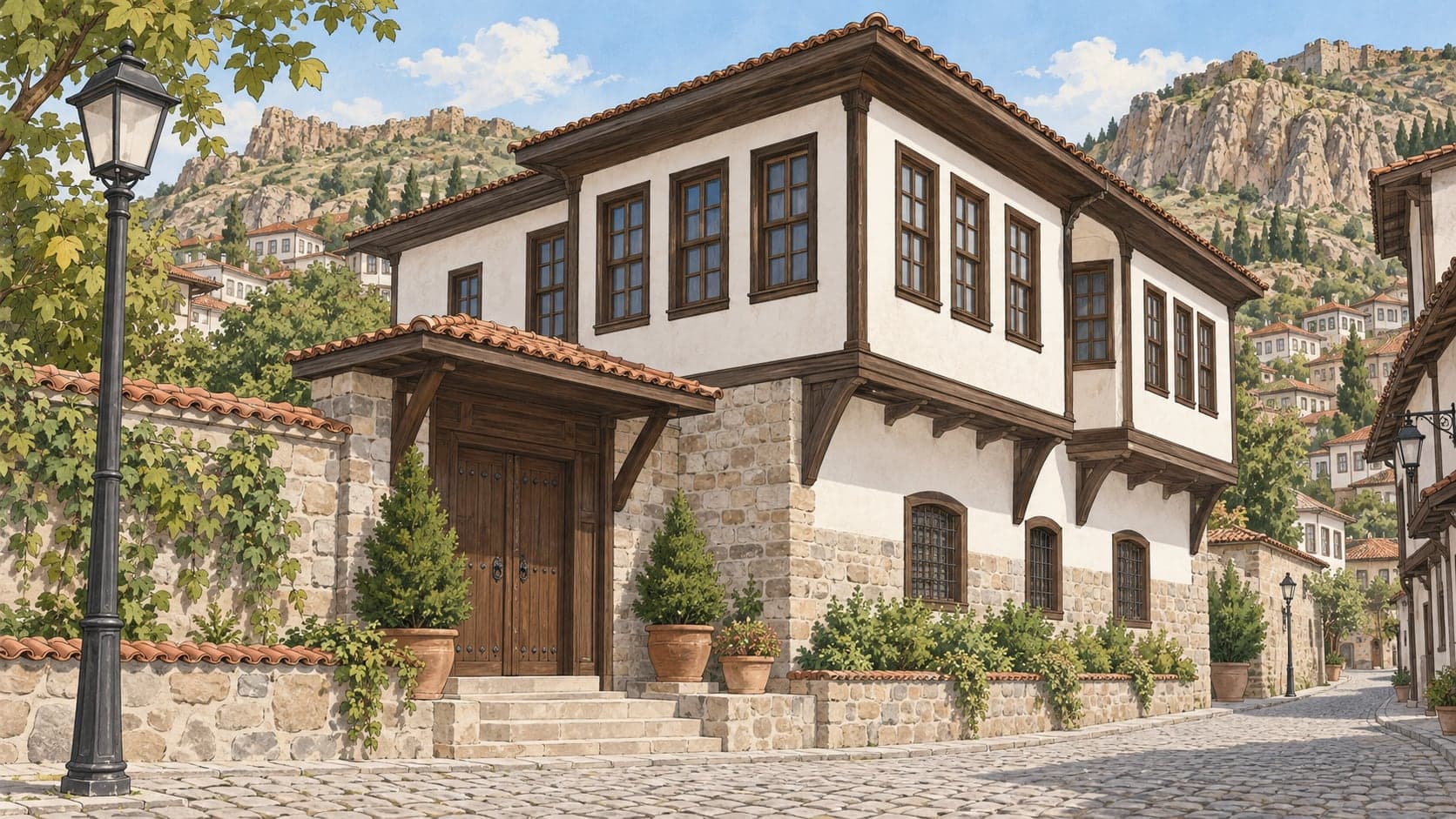
The Living Museum is a folklore museum founded in 2007 in the Beypazarı district of Ankara on a civic initiative. It occupies the Abbaszade mansion, built at the end of the nineteenth century, and was founded by the culture scholar Zehra Sema Demir, opening on 23 April 2007.
The museum was set up so that the culture of Anatolia might be kept alive by being experienced and passed on. Historic objects and the distinctive dress of the region are shown here, but by means of unusual display methods that take visitors out of the role of onlooker and let them experience the culture on show. It is, according to Turkish Wikipedia, the first applied culture museum in Türkiye.
The project was developed by Demir while she was still a student. When the Beypazarı municipality agreed in 2006 to carry it out, she leased the Abbaszade mansion, a registered building belonging to the municipality, and took on the responsibility of founding and running the museum.
In 2012 the institution restored the abandoned Rüstem Pasha Bath in Beypazarı and turned it into a museum. That building, the Turkish Bath Museum, came about as a social responsibility project of the Living Museum and largely out of its funds, its experience and what it had learned.
Staging, re-enactment and drama are used as means of display. There are no cases or information panels to direct visitors; narrators accompany them instead, speaking with them directly and passing on the oral culture — sayings, folk verses and tales — in the course of that conversation.
Each room of the house is given to a different activity. In the kitchen the tools and utensils of Turkish cooking are presented, and guides in costume tell visitors the stories behind proverbs and sayings to do with food. In the linden printing workshop visitors use printing blocks to make wallets, bookmarks and bags. In the part once used as a larder they are told about the casting of lead and have lead cast against the evil eye.
On the first floor is the bridal room, where the narrators speak about laying out the trousseau, the bedding cupboard, the bed and the bathing room, and tell tales. A Karagöz and Hacivat shadow play is performed in the games room, and in the performance room visitors put on traditional dress.
In the attic, known locally as the guşgana, stands a traditional loom.