Guide
The Uşak Archaeological Museum was begun in 1967 and the building finished in 1969. The displays were completed on 23 May 1970 and the museum opened as the Uşak museum directorate.
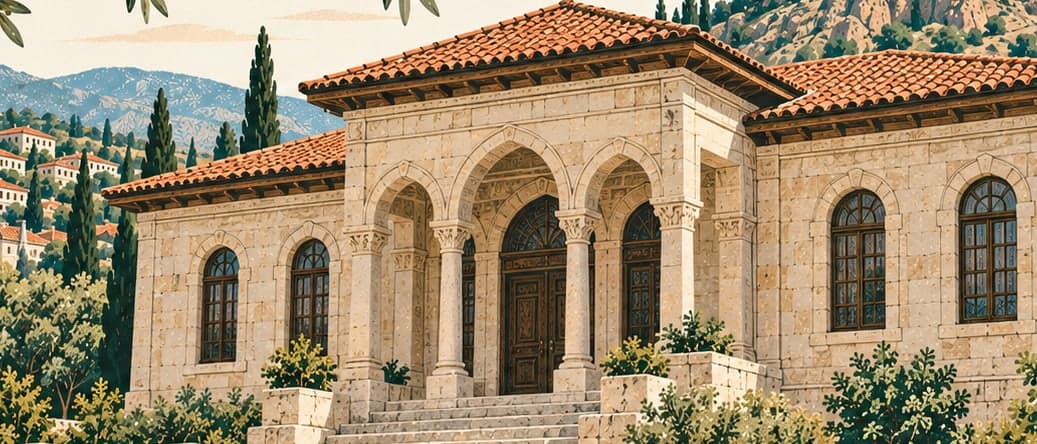
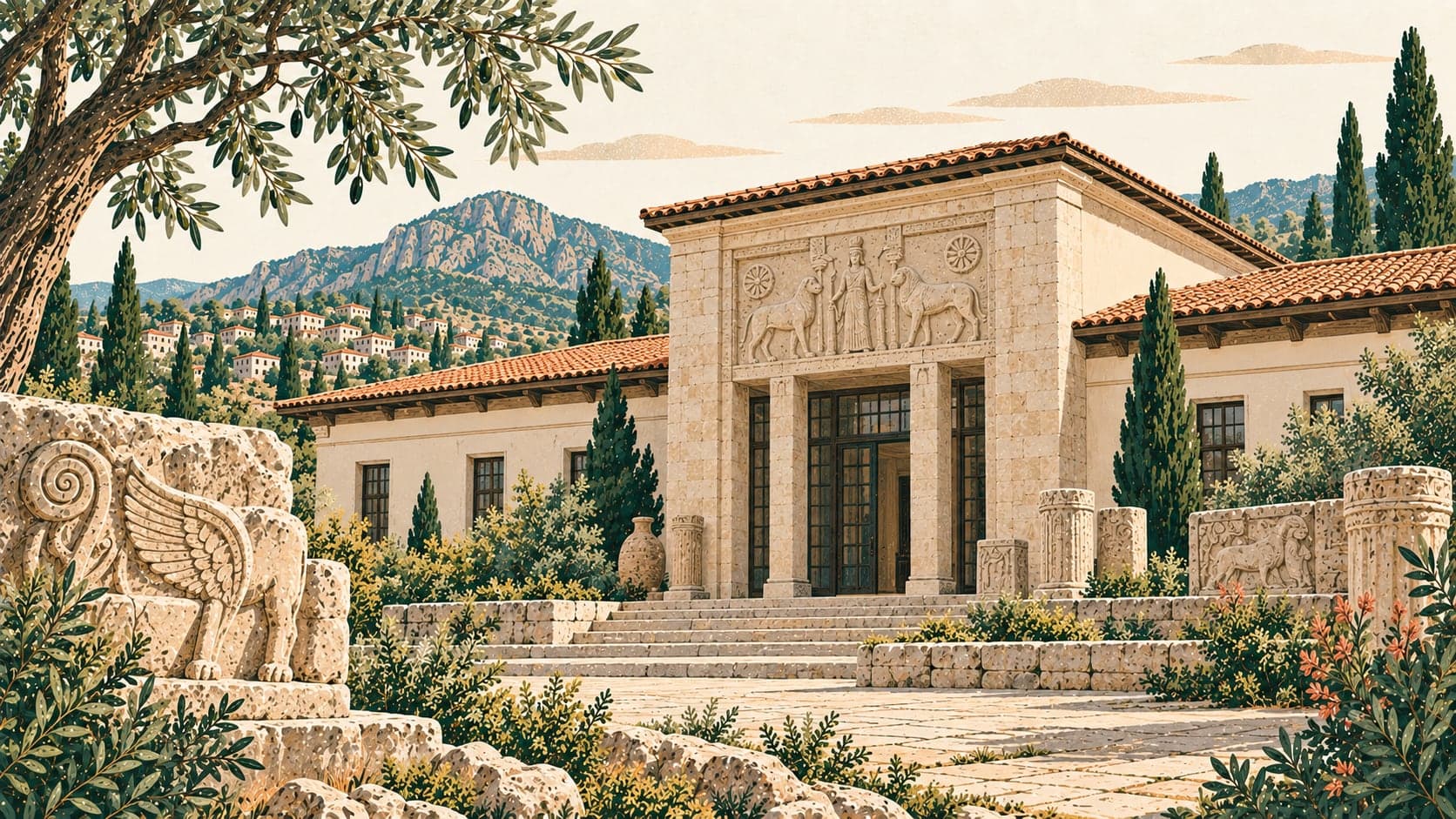
In 2012 work began on a new building of 14,500 square metres of covered space at the railway station, and it was finished four years later, in 2016. Having served in the same building for some forty-eight years, the museum moved to the station site once the displays in the new three-storey building were finished in 2018. The new building cost around sixteen million lira. Of the 43,000 objects and coins in the inventory, 2,500 are on display.
The museum has three floors. The first holds archaeological material found within Uşak province, the second is given to money and the history of money, and the third to the Lydian period and the Lydian treasure. One of the most valuable pieces of that treasure, the winged sea-horse brooch, is displayed here.
Works from the ancient cities of Akmonia, Sebaste and Sebastopolis are shown along with finds from the Basmacı, Aktepe, Toptepe, İkiztepe and Harta tumuli.
Uşak has a layered cultural inheritance, enriched continually by different cultures over thousands of years, and the collection of some forty-two thousand objects covers the Palaeolithic, the Bronze Ages, the Phrygian and Lydian periods, the Hellenistic, the Roman and the Eastern Roman. Among the holdings are Early Bronze Age idols, beak-spouted jugs and stone axes; Hellenistic and Roman earthenware and glass; grave and votive stelae and confession inscriptions; statues, gold jewellery, diadems and glass vessels from the site of Blaundus; and coins of various periods, either confiscated and handed to the museum or given by members of the public.
The Lydian treasure is also displayed here — 432 pieces in all, associated with the Lydian king Croesus, who lived between 560 and 546 BC. The material was smuggled out of the Uşak region to the United States in the second half of the 1960s and returned to Türkiye in 1993 as the result of a case brought by the Ministry of Culture.