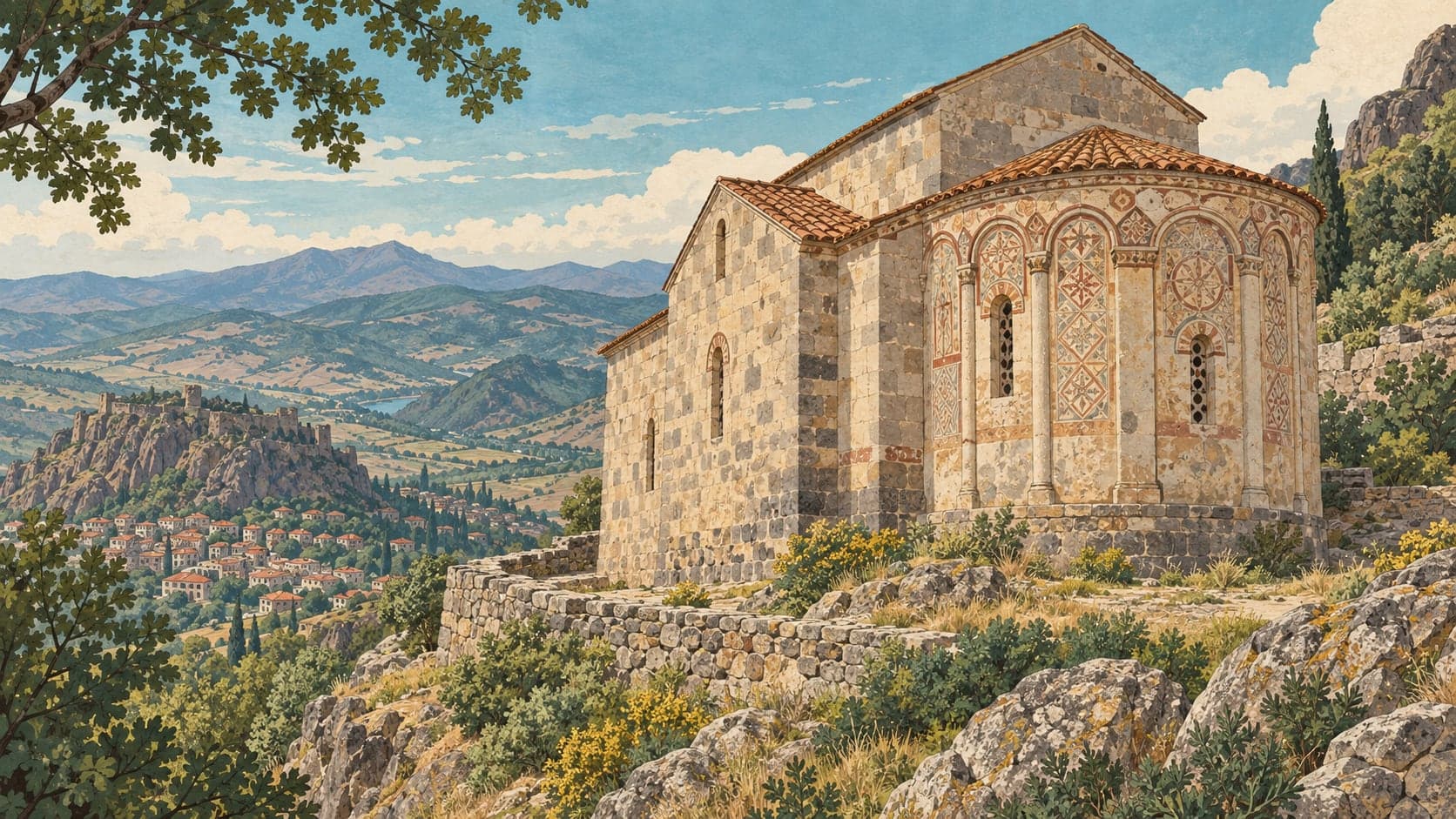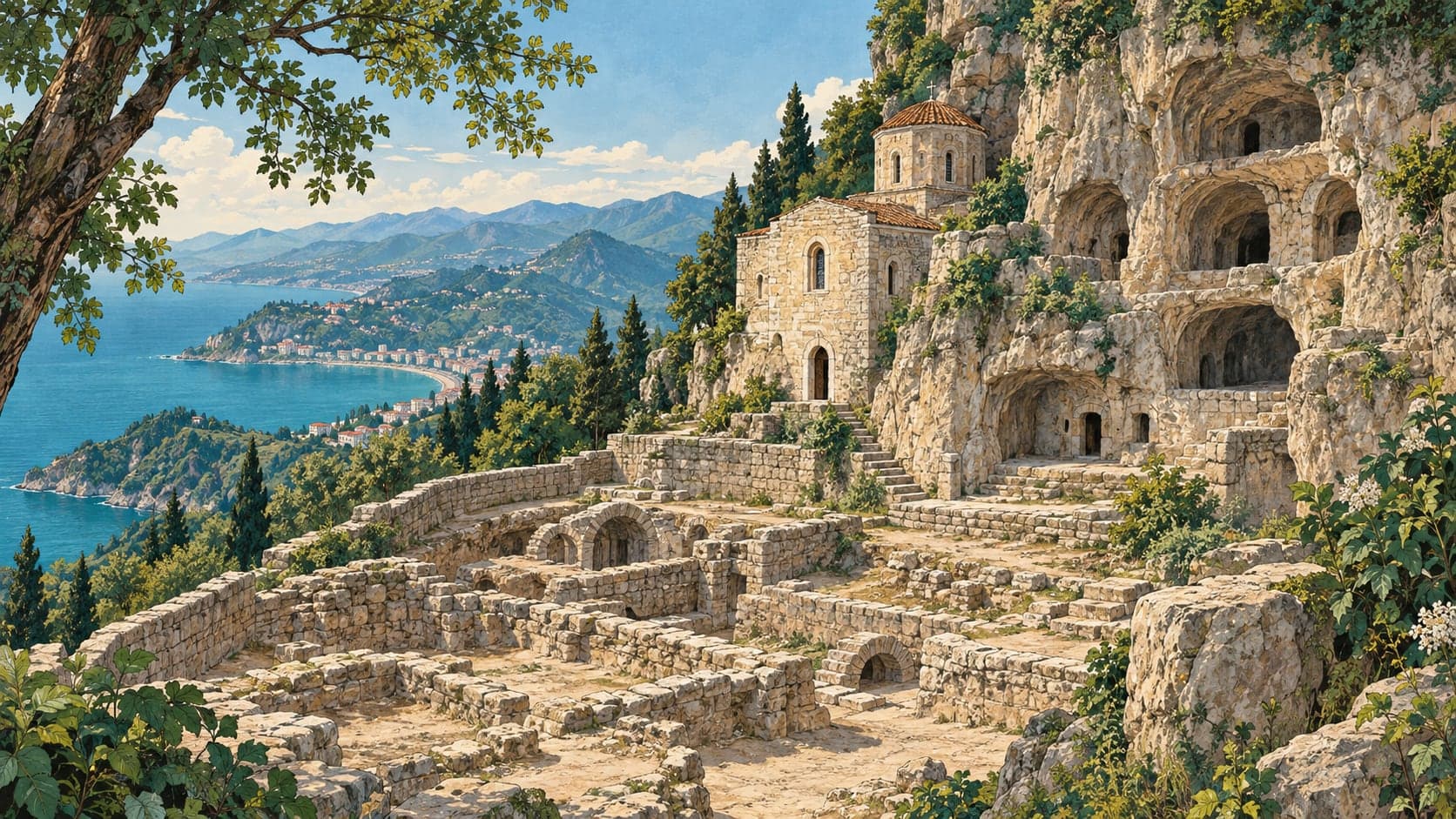
Our compilation for Giresun, not an official route. Şebinkarahisar, inland in the south-west of the province, is far enough from the coast to need its own day. The monastery of the Virgin is built into a hollow in a sheer cliff, which is why it recalls Sümela; what stands today was wholly renewed in the nineteenth century, and the Ministry suggests its builders had the Trabzon monastery in mind. The Behramşah mosque, attributed to a Mengücek ruler, and the church at Asarcık village, whose inscription gives 1890, are in the same district.
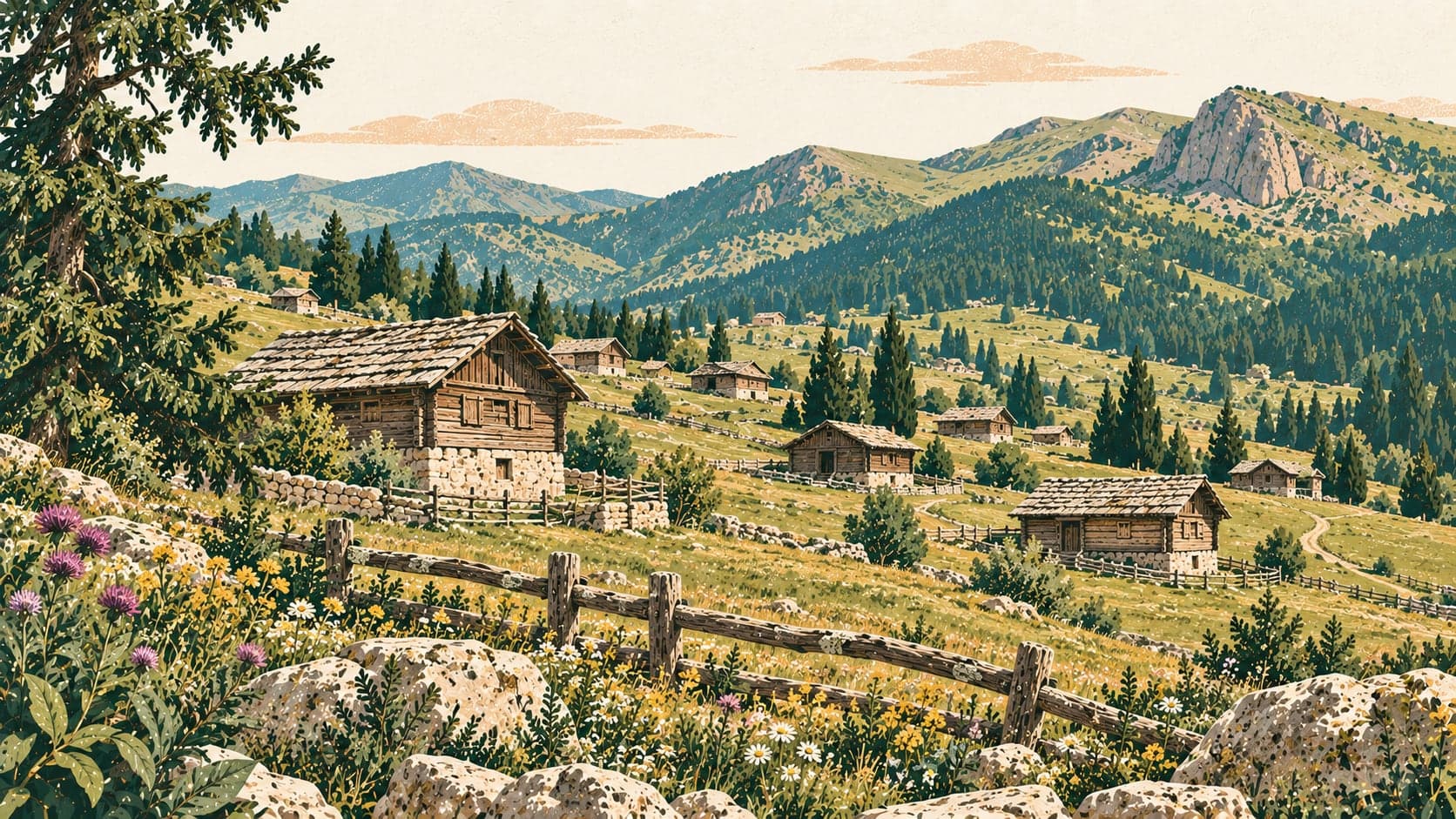
Kümbet, in Dereli, lies between that group and the coast — a highland pasture used for camping among a cluster of others, with Turkmen and Çepni summer encampments nearby.
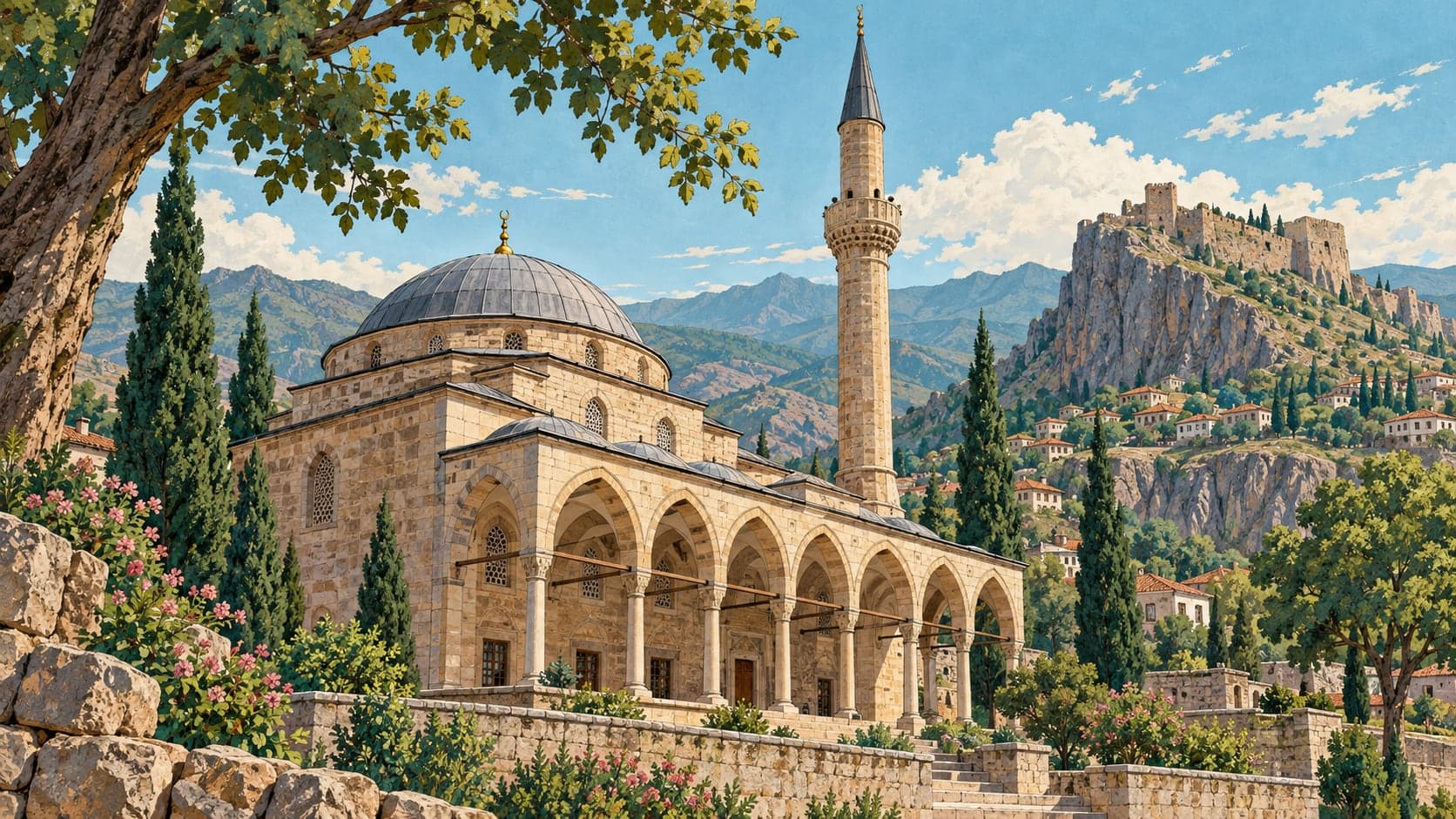
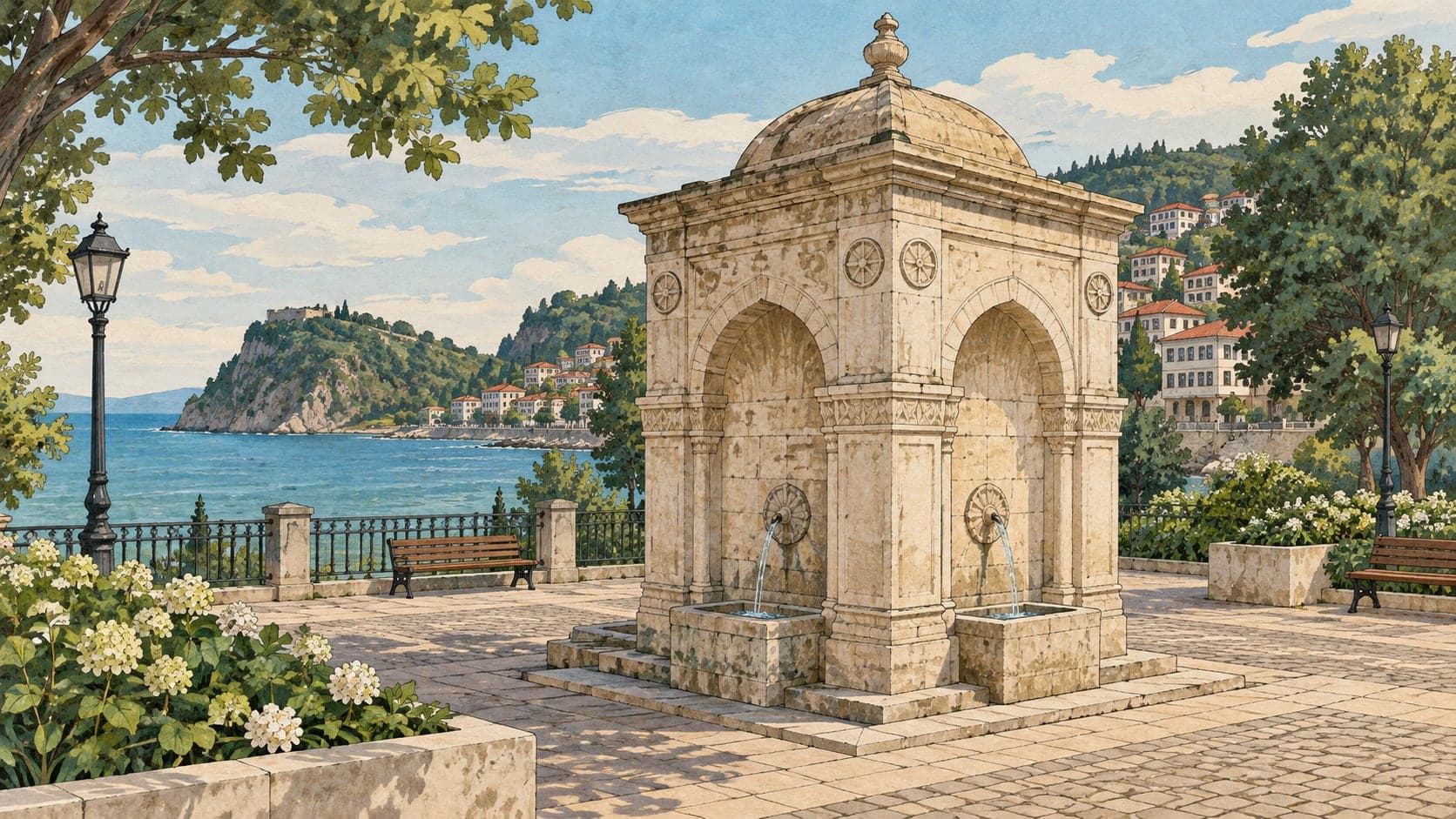
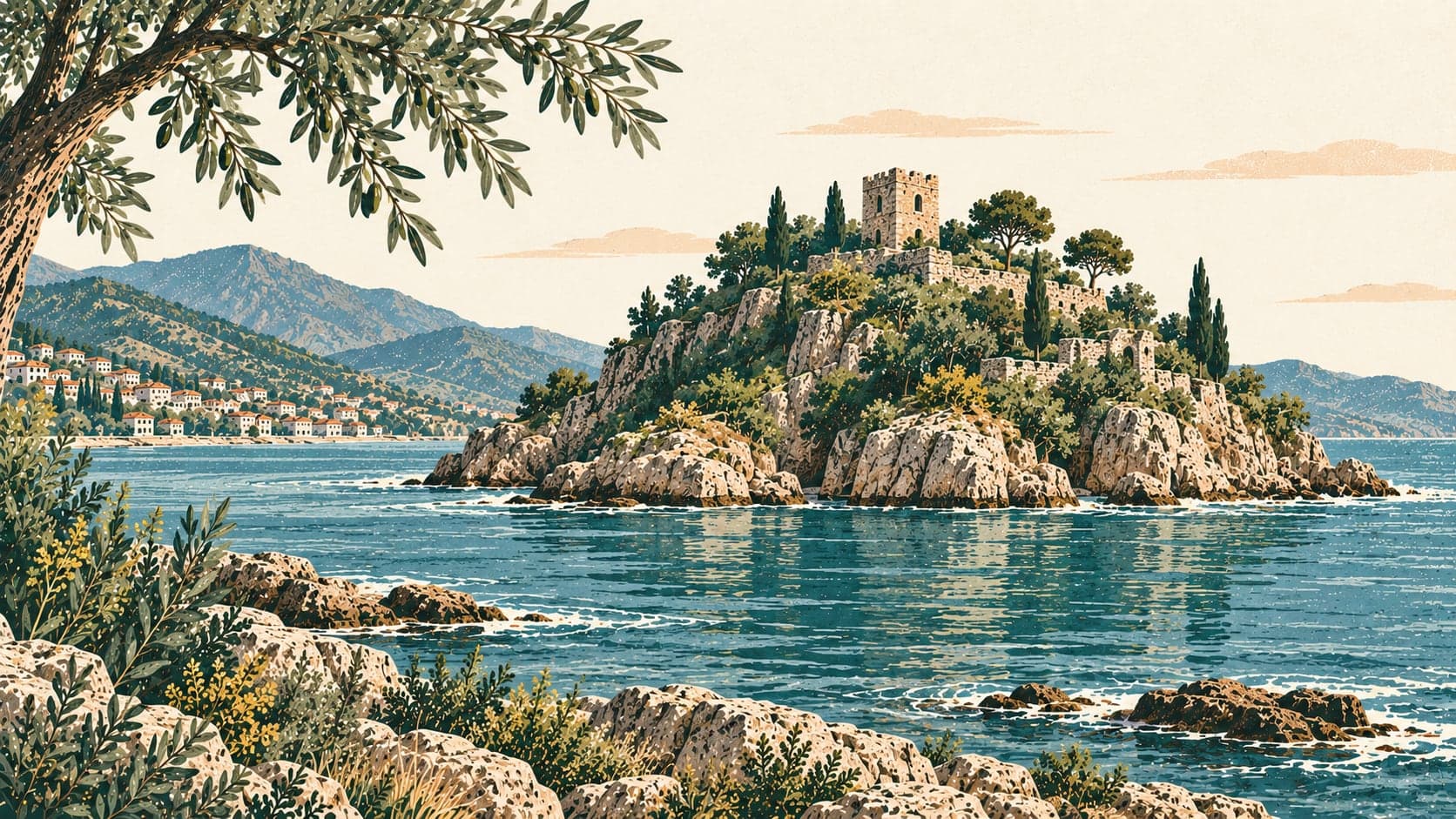
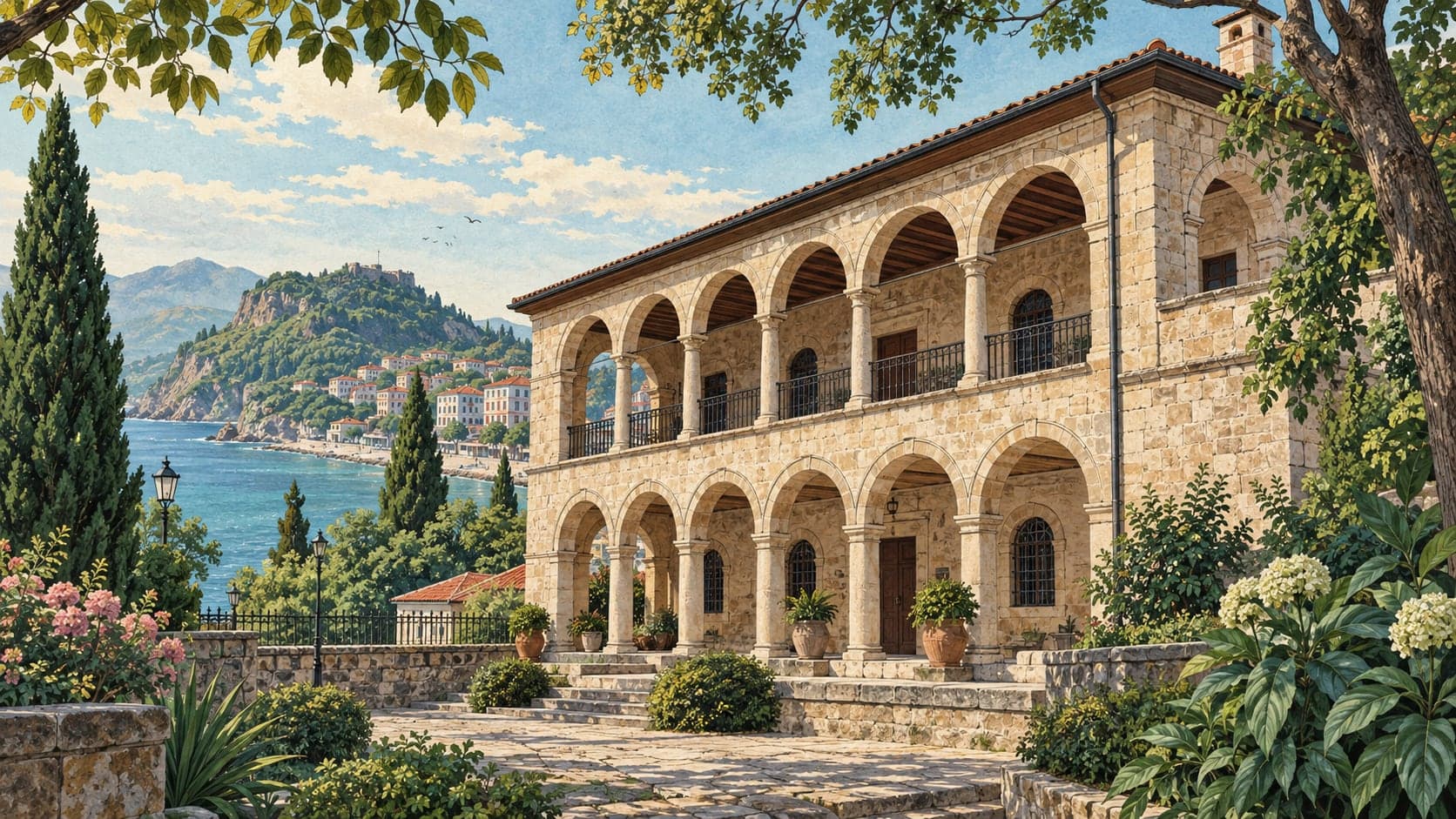
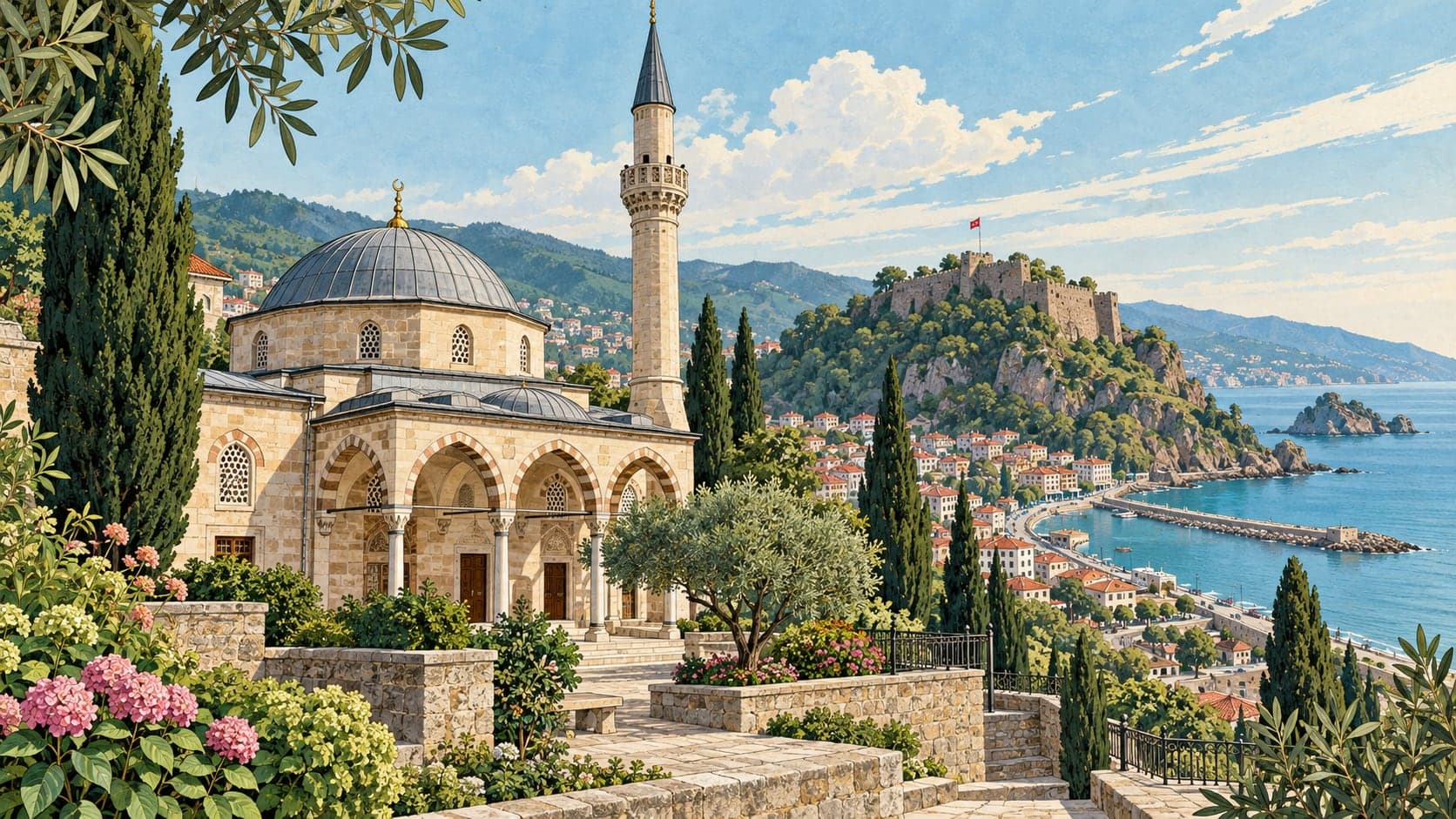
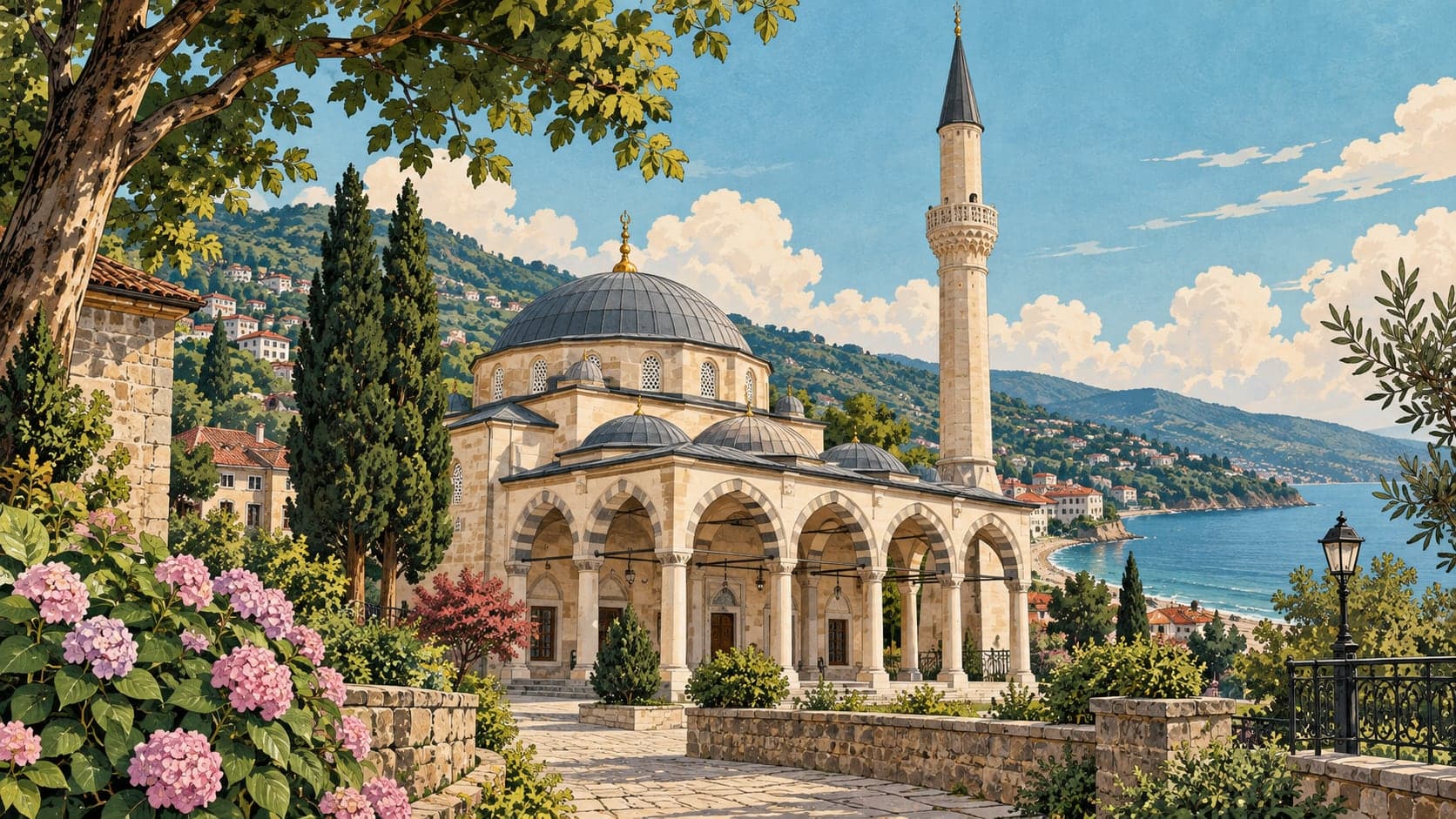
The city end is compact and can be walked. The Kale mosque stands on a platform above the street, square and domed, its doorway and interior carrying the mark of the baroque; the Can Akengin gallery, a one-and-a-half-storey masonry building said to have been raised as a draper's shop, housed a newspaper for half a century before restoration; and the fountain on Atatürk Bulvarı, known locally as the German fountain because its design was brought from Germany. Giresun Island lies offshore — one of only two islands the country has in the Black Sea — and is visited by boat from the harbour in summer.
Bulancak, west along the coast, holds the Şeyh Ali Ağa mosque, which carries two dates: 1896 on its north front and a fifteenth-century foundation recorded in a tax register. What each place is, and who says so, is on its own page.