Guide
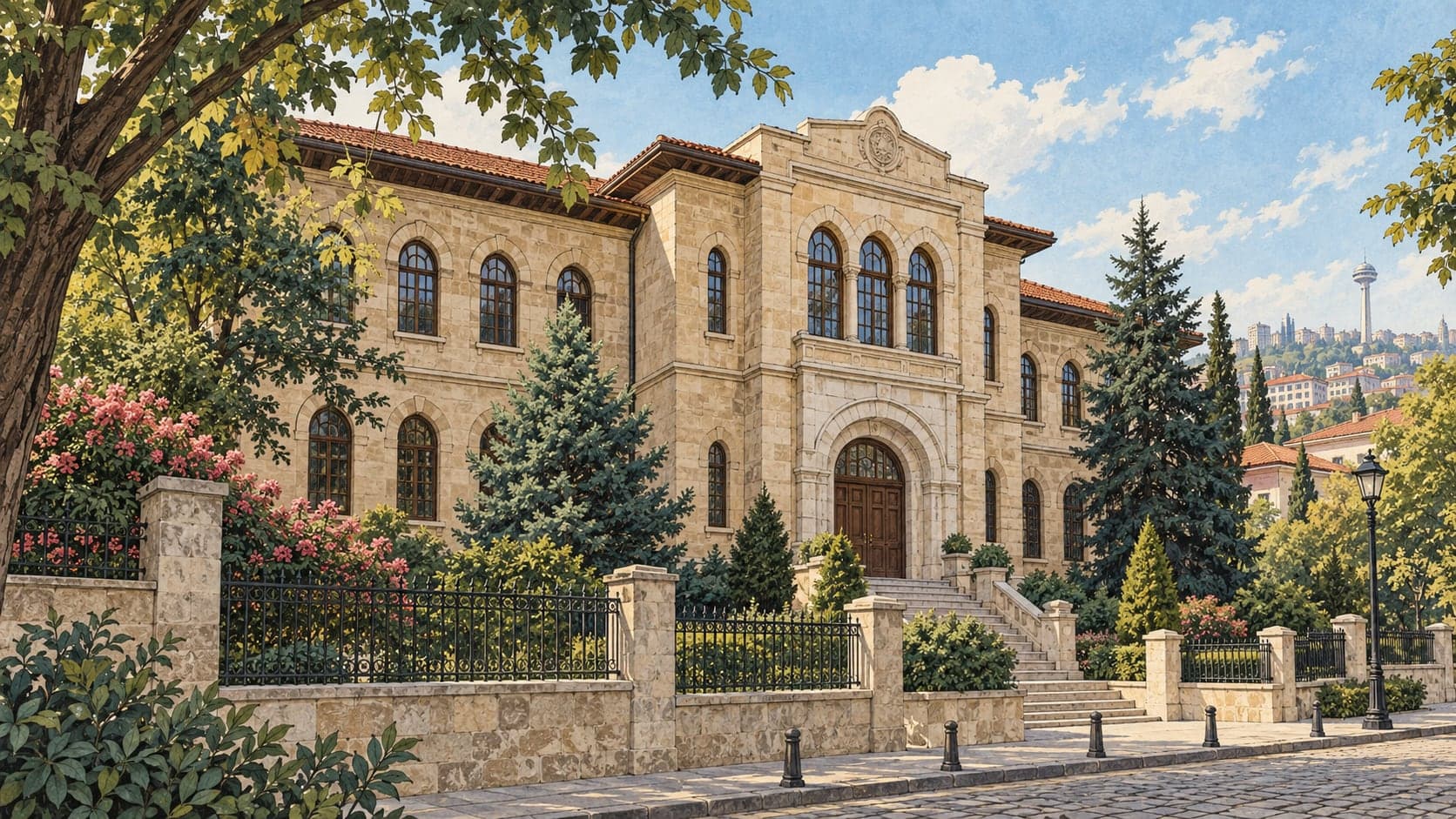
Ankara University's Faculty of Pharmacy museum is three museums in one building, and each answers a different question about how medicine used to be made.
The drug museum holds ready-made medicines used in the Ottoman period and in the republic's first thirty years, together with the raw materials of drug-making and extracts prepared from plants — close to a thousand objects.
The instrument museum holds the equipment the faculty has used since it was founded and has since retired: microscopes, balances, and the various devices and tools of drug analysis and research. The smaller pieces are in purpose-built cases and the larger ones stand in the open.
The third part is a reconstructed pharmacy of the 1900s, and it is the one worth lingering in. It has two halves. The compounding room is where prescriptions written by doctors were actually made up — balances, the tools for preparing medicines in a mortar, a miniature autoclave for eye ointments and drops, active ingredients and plant extracts. Once made, the medicine was entered in the pharmacy's prescription register and handed to the patient through a window. The museum holds the prescription registers of three old pharmacies covering the years 1925 to 1970.