Guide
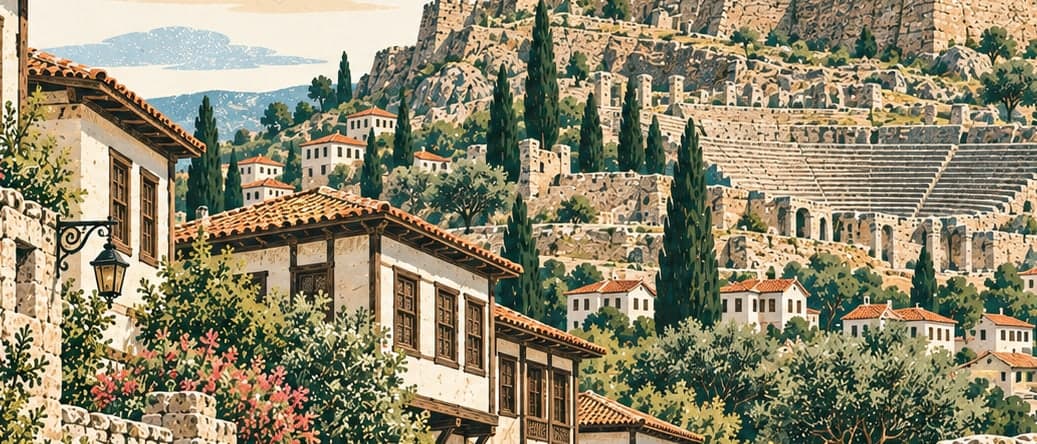
Pergamon was inscribed on the UNESCO World Heritage List in 2014. The ancient name comes from perg or berg, meaning castle or fortified place, and the site kept being settled through occupations and destructions because of where it stands.
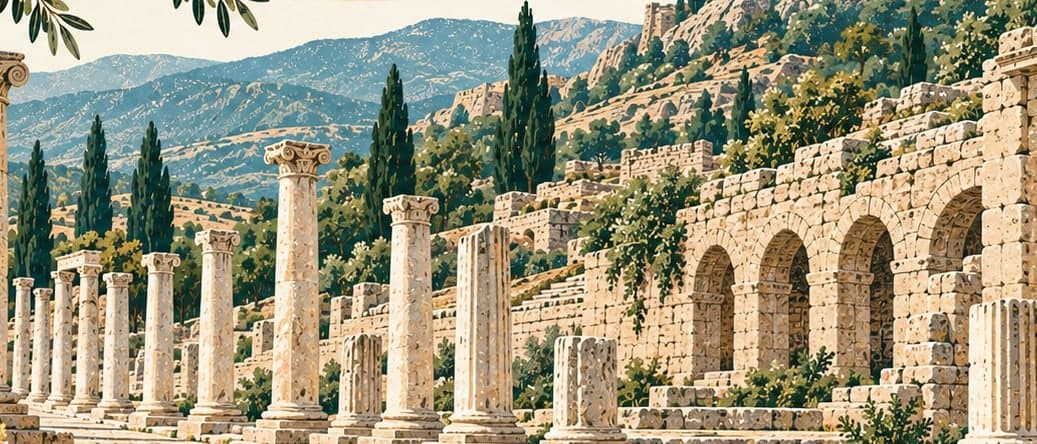
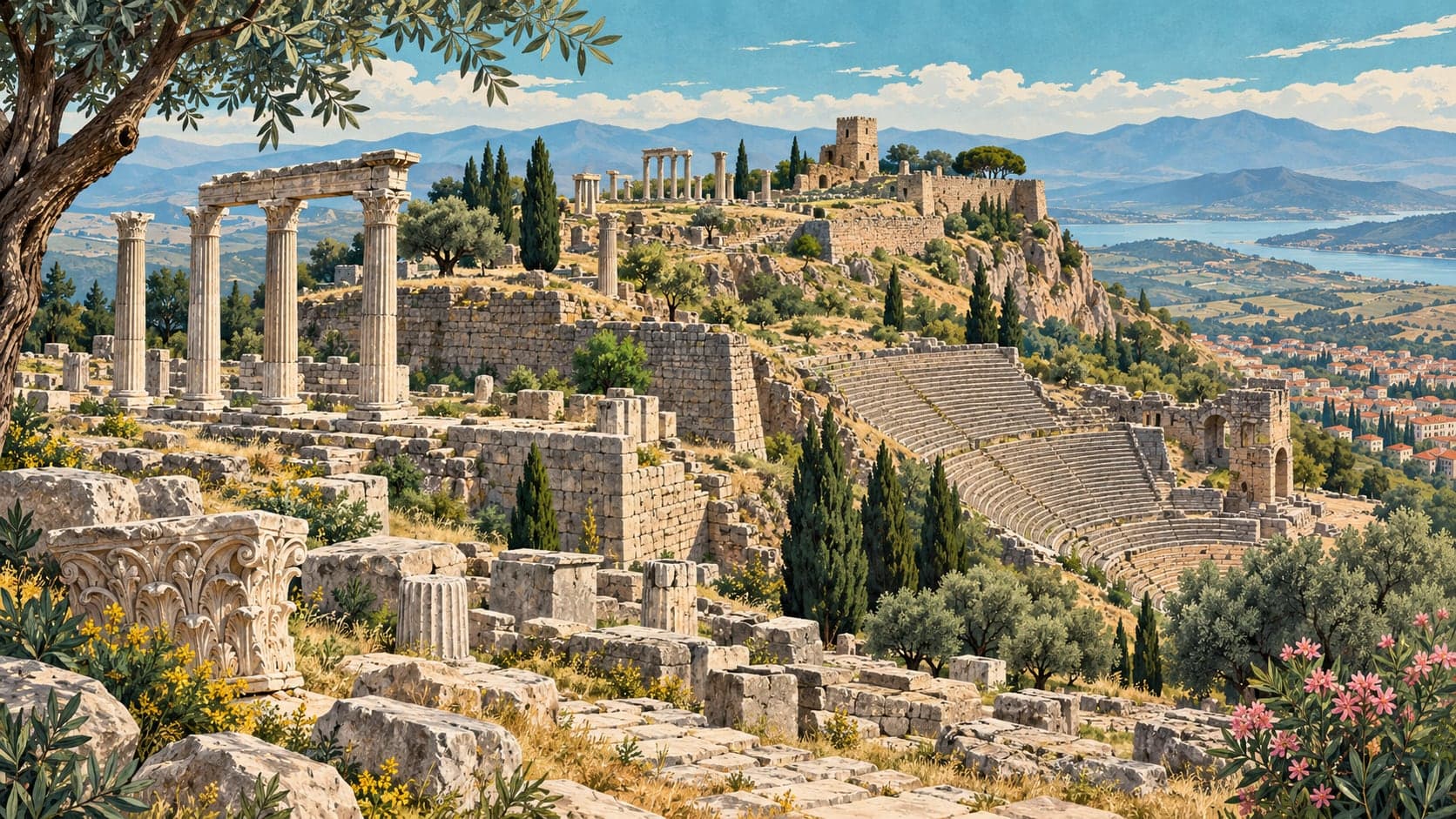
There is no natural flat ground here, and that shaped everything. From the earliest phase the site had to be terraced to win space, and as building land ran short and needs grew, older terraces were absorbed into new ones. The ministry draws the consequence plainly: because of that, not enough is known about the city's earliest history. The oldest settlement identified on the citadel dates to the seventh and sixth centuries BC.
From the start the city was in two parts — the castle at the very top of the mountain with its own walls, and a lower city on the gentler southern slope, also walled. The residential areas changed repeatedly in size and extent with political and economic conditions. The ministry describes the resulting town plan, forced on the builders by the topography, as a form and planning without parallel.
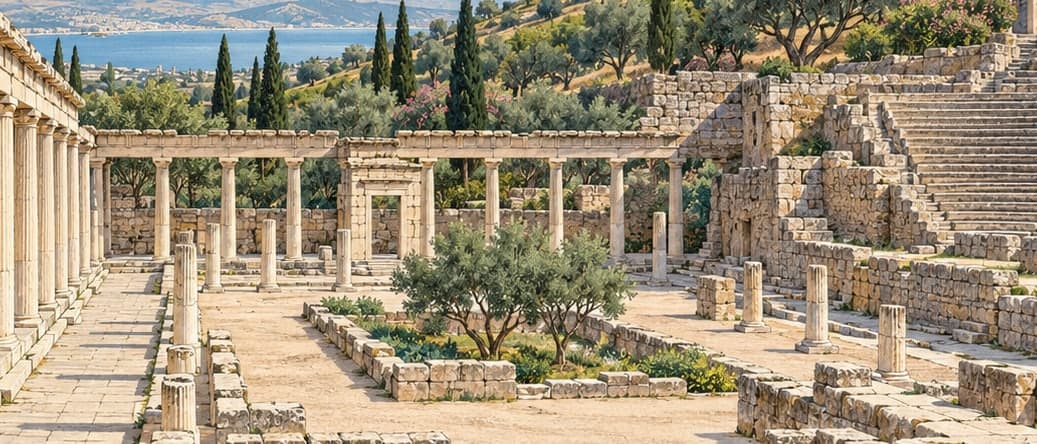
The walls reached their greatest extent under Eumenes II, and the major buildings of his reign include the Altar of Zeus, raised to mark the defeat of the Galatians, and the propylon of the temple of Athena with the stoas around it.
Entry fee
- Single entry to the museum or site · Local
- MüzeKart
- Single entry to the museum or site · Foreign
- €15