Guide
The Asklepion was a healing centre founded outside the Pergamon acropolis in the fourth century BC in the name of Asklepios, god of medicine, and the ministry gives it the title of the most important such centre in western Anatolia for its architecture and its treatments.
What can be seen, though, is later than the foundation: the surviving remains belong to the arrangements made by Hadrian in the second century AD. The ground was sacred even before the fourth century BC, but its real development began then.
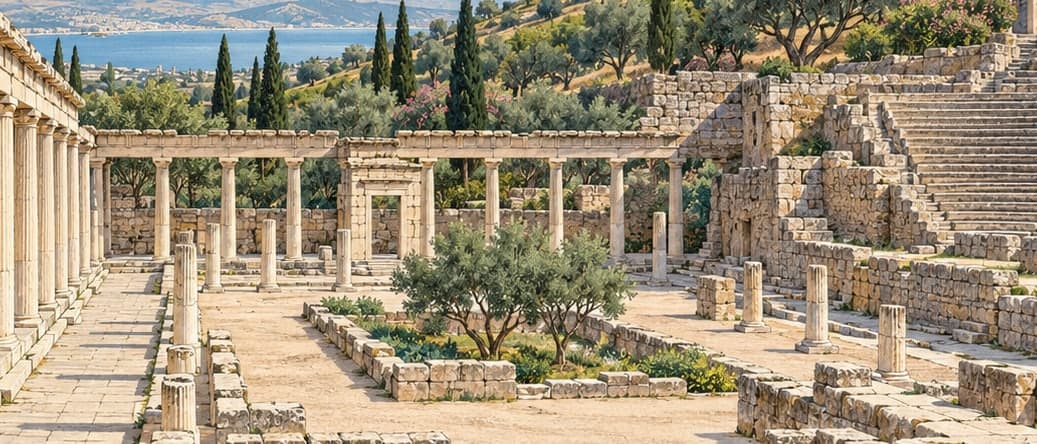
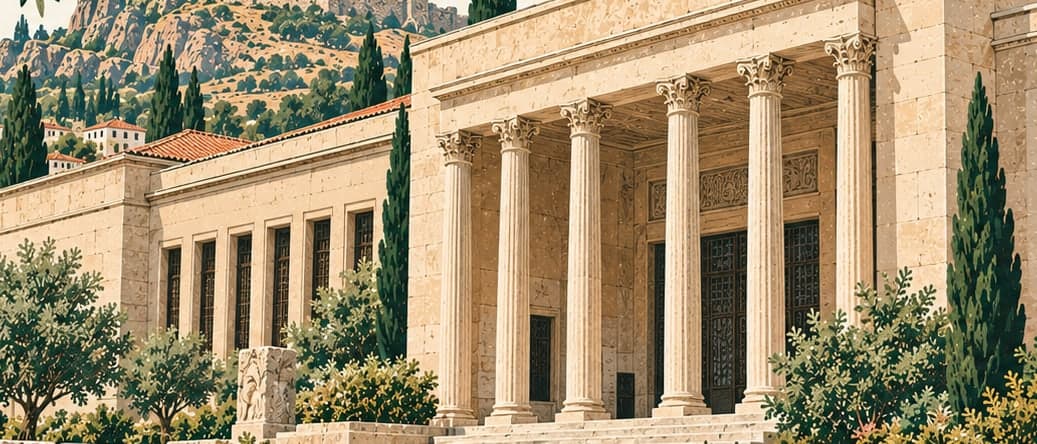
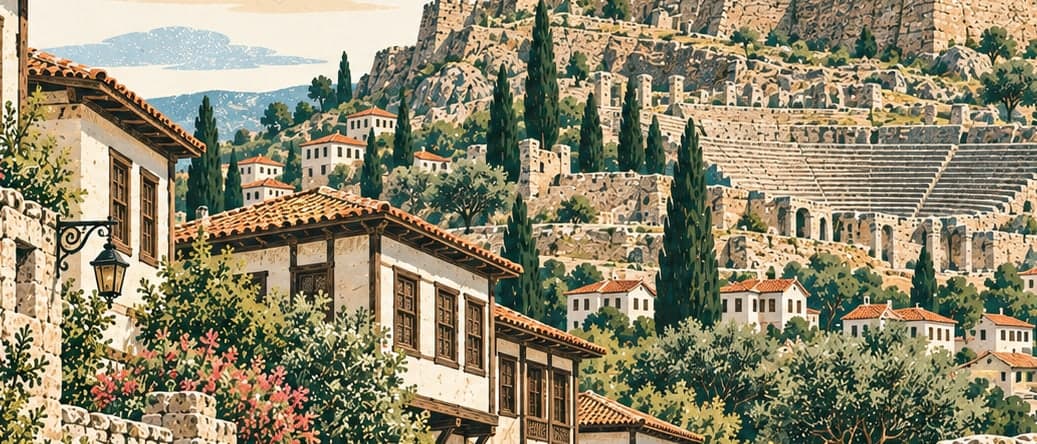
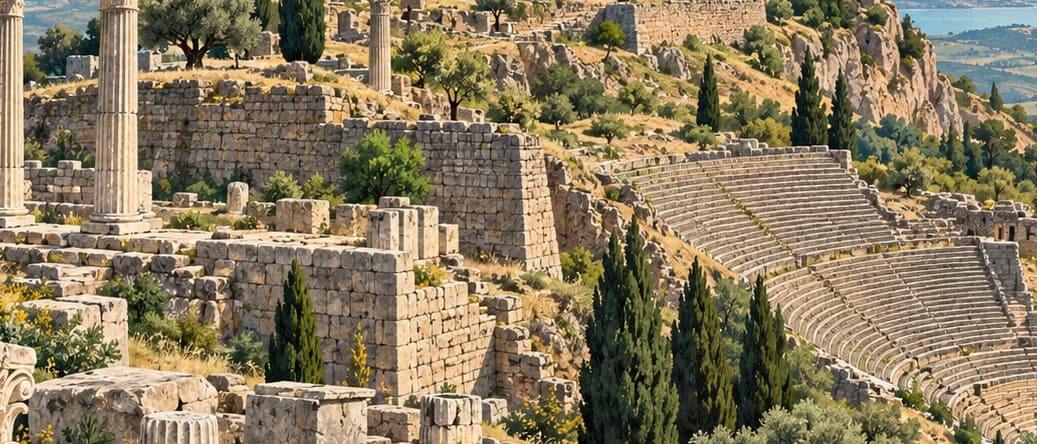
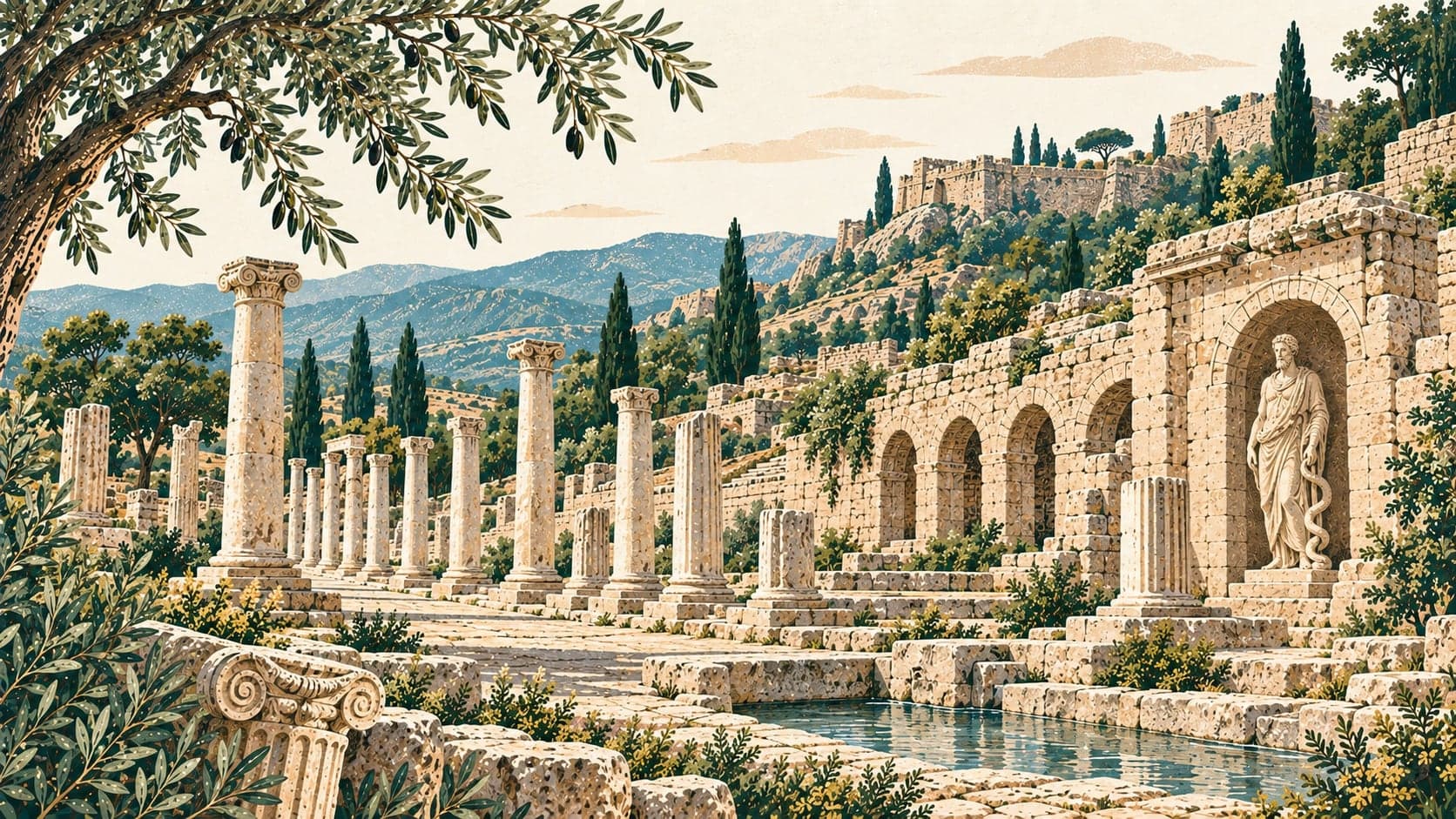
In the Roman period the way in from the city was the Via Tecta, a covered sacred road a kilometre long with a colonnaded final stretch. At its end stood the monumental propylon, with a library hall to the right of the entrance and the temple of Zeus Asklepios to the left. Beyond the entrance lies a large festival courtyard, enclosed on its north, south and west by colonnaded galleries, with a theatre for 3,500 people adjoining its northwest corner and, on the west, the gallery built when Eumenes II enlarged the sanctuary. The great dining hall lies to the south and the latrines at the southern corner; at the southeast corner stands the treatment building known as the lower round structure.
West of the great courtyard are the sacred springs and the foundations of an early temple and of the sleeping rooms. Our inventory also holds a record called simply Asklepion, which is very probably this same site.
Visit status for this record: open to visitors.
Entry fee
- Single entry to the museum or site · Local
- MüzeKart
- Single entry to the museum or site · Foreign
- €13