Guide
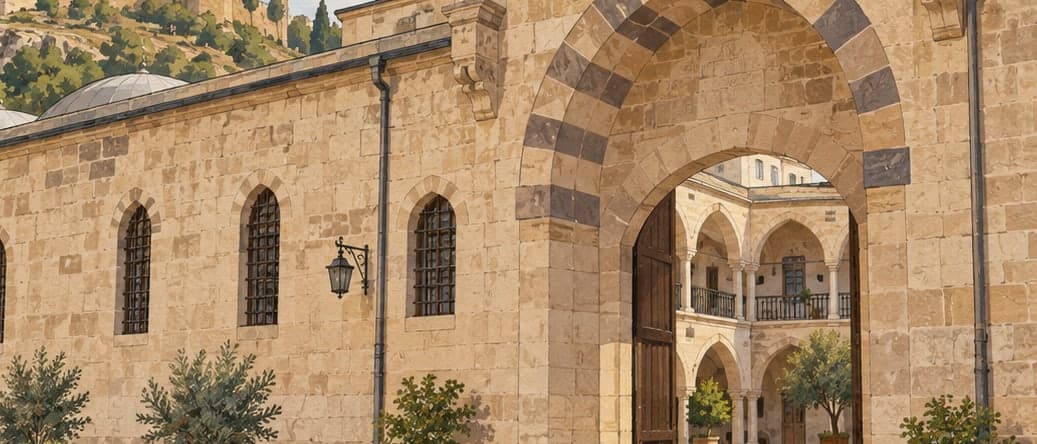
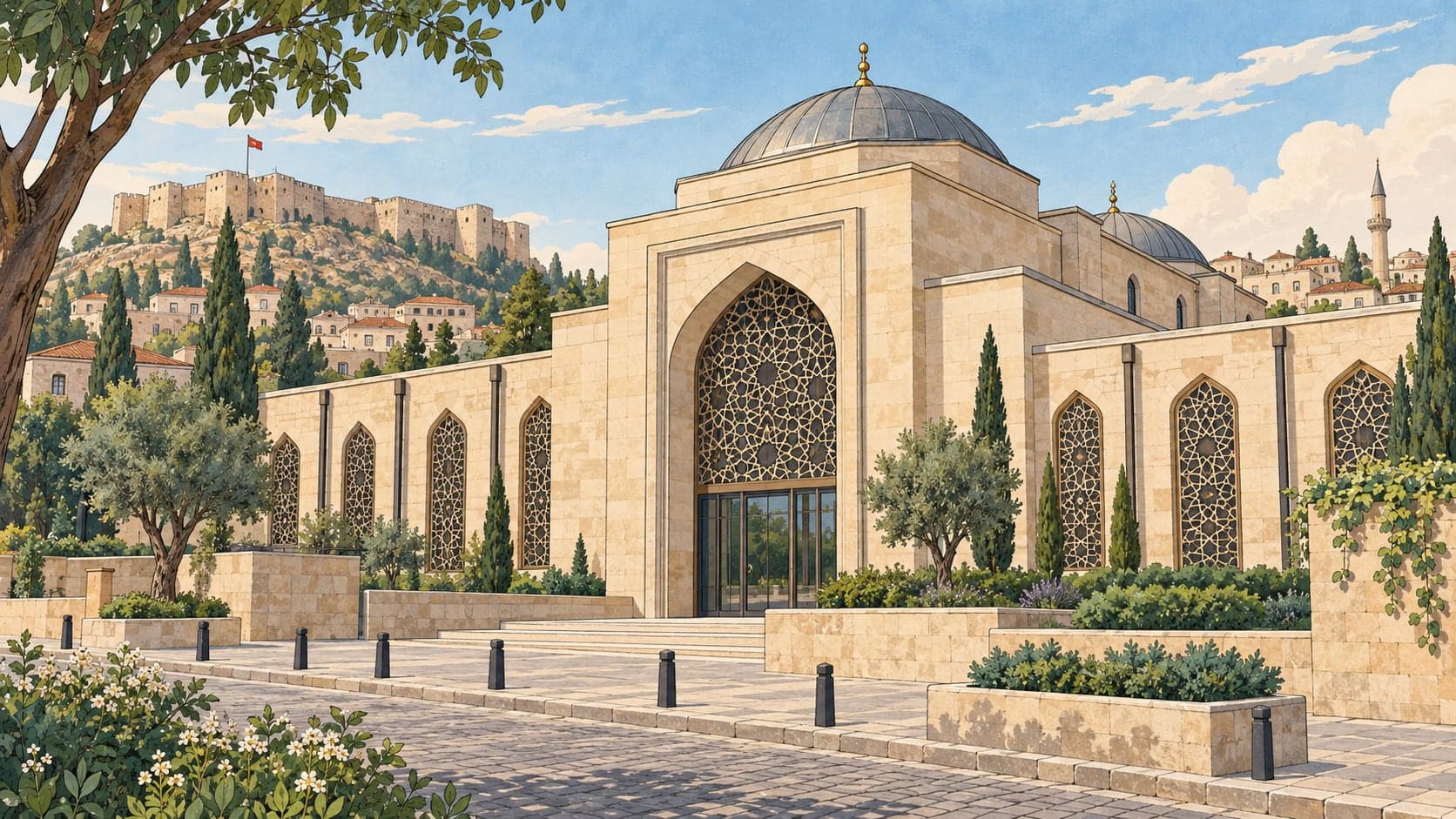
The building came first and the museum had to fit into it: a school finished in the early 19th century, with so many tall windows that the pattern defines all three of its floors. The municipality, which allocated the building, says plainly that this architecture posed a real problem for laying the museum out.
What it holds are working prototypes of instruments and devices from the Islamic scientific tradition — astronomy, geography, physics, mechanics, chemistry and medicine — presented through the people who made them: Ib'ul-Heysem in physics and mathematics, Biruni as pharmacist, physician, geologist and geographer, the engineer and mechanic Takiyyuddin Rasid, and Ebu Mansur among others.
The chemistry section is the one built for hands: a touchscreen walks you through the techniques and steps by which these scholars produced scent, and a mechanism then lets you actually smell the results — rose, amber and aloeswood, the perfumes of the period.