Guide
Manisa has been continuously inhabited since antiquity, on the northern skirts of the mountain the ancients called Sipylos; the city was Magnesia ad Sipylum, said by Homer to have been founded by Thessalian Magnetes who fought at Troy, a centre of Lydian civilisation in the 7th and 6th centuries BC, an important Roman and Byzantine town, the capital of the Saruhanid principality from 1313, and under the Ottomans the city where princes were sent to govern. The museum is where that sequence is laid out.
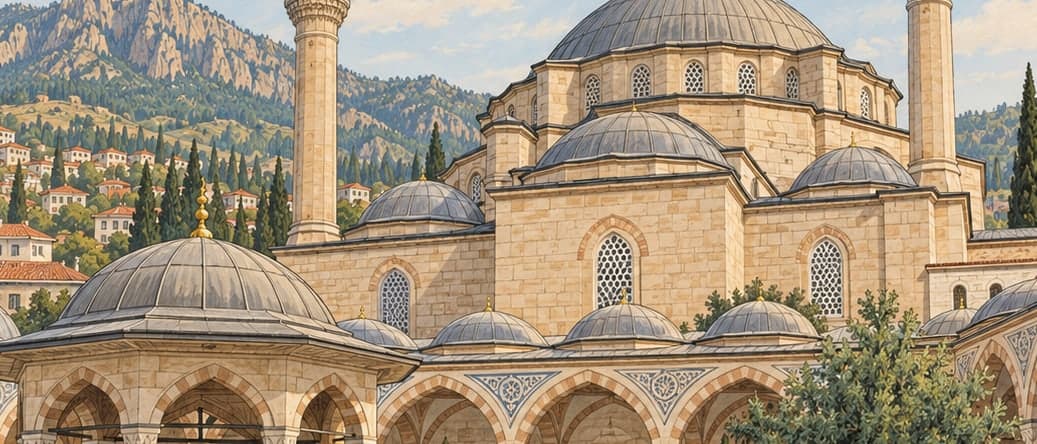
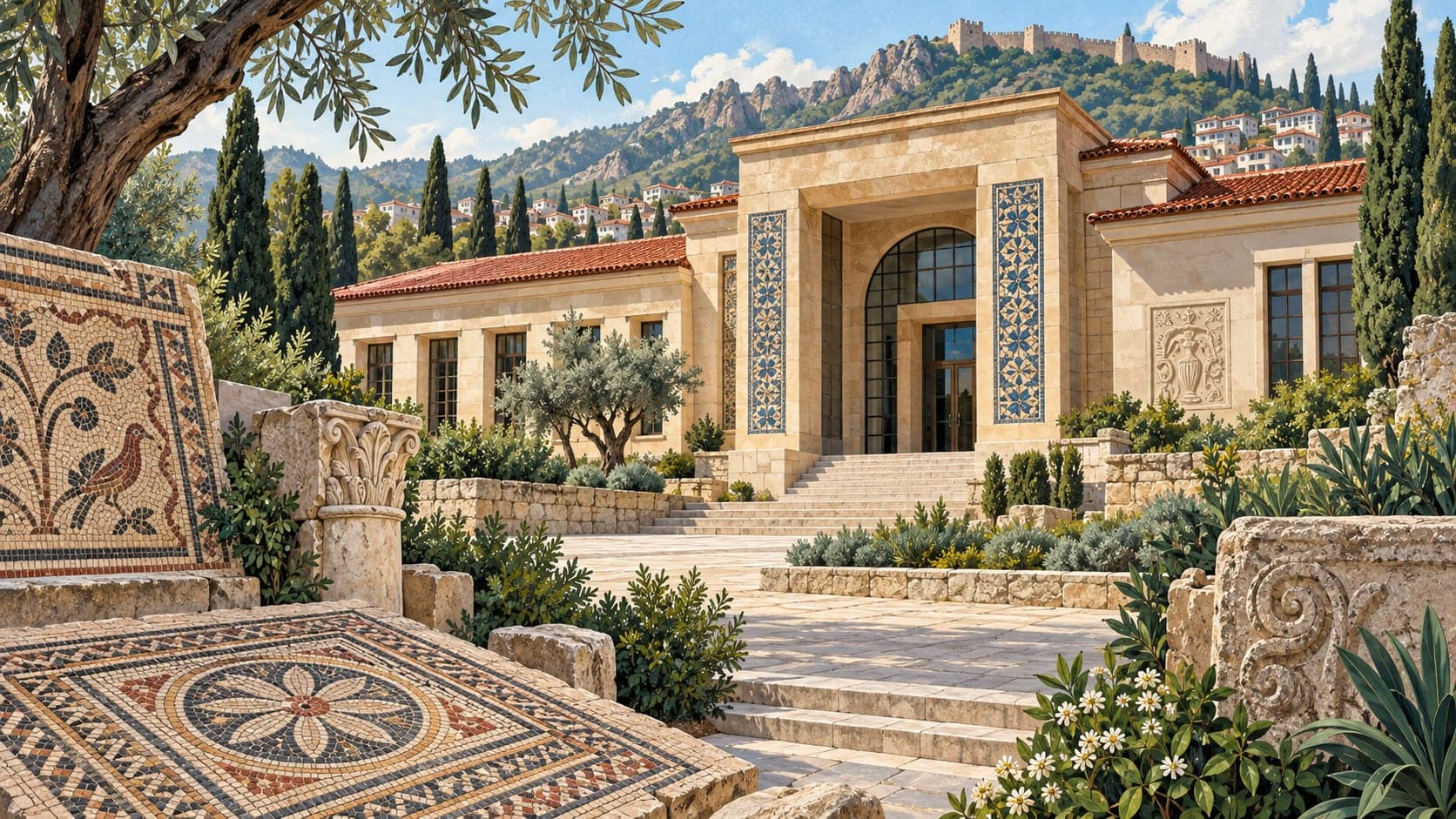
Its own history has two stages. Portable cultural property from the province was first displayed in 1937 in the medrese section of the Muradiye complex; when that proved too small, a rearrangement after restoration in 1972 gave the soup-kitchen section to the archaeological works and the medrese section to the ethnographic ones. Since 2025 the museum has been in a new building in the Yunusemre district — worth noting, because the Muradiye complex is where many visitors still expect to find it.
The archaeological collection gathers material from across western Anatolia, including finds from the excavations that have run at Sardis, capital of the Lydian kingdom, since 1958. It runs from the Bronze Age to the end of the Byzantine period: sarcophagi, gravestones, mosaics, terracotta vessels, statues, busts, glass and ivory objects, with gold, silver and bronze coins reaching from antiquity to the Ottoman period.
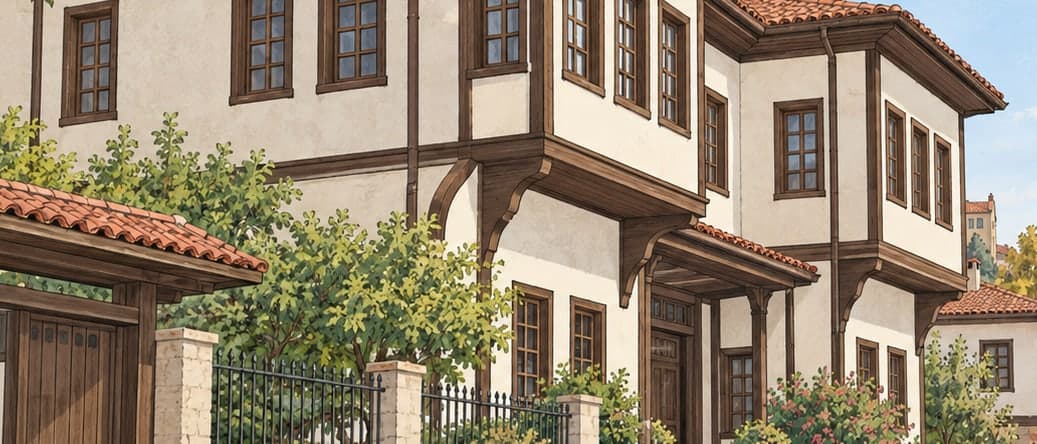
The ethnographic collection covers the customs and daily life of the region from the period of the principalities through the Ottoman centuries: clothing, weapons, palace and dervish lodge objects, tilework, 17th- and 18th-century manuscripts and writing sets, Qur'an and juz cases, and the minbar door of the Ulu Camii, made in true kundekari joinery with carving and ivory inlay.