Guide
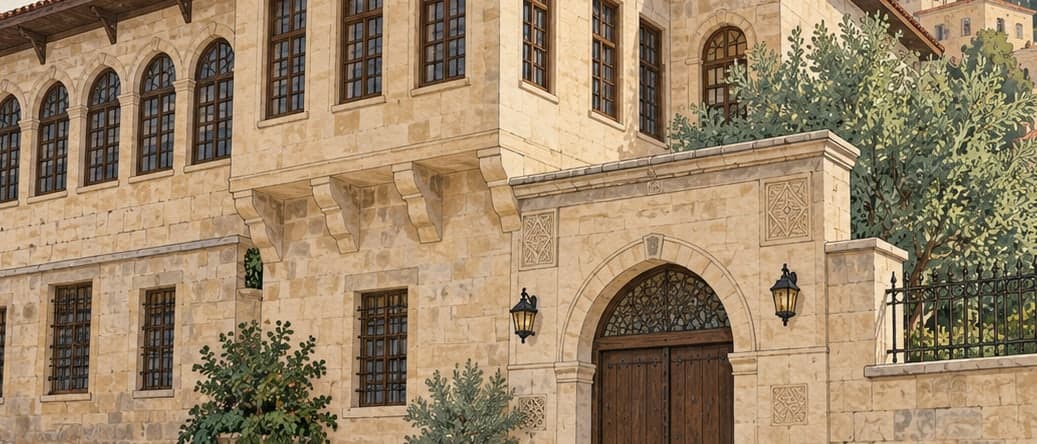
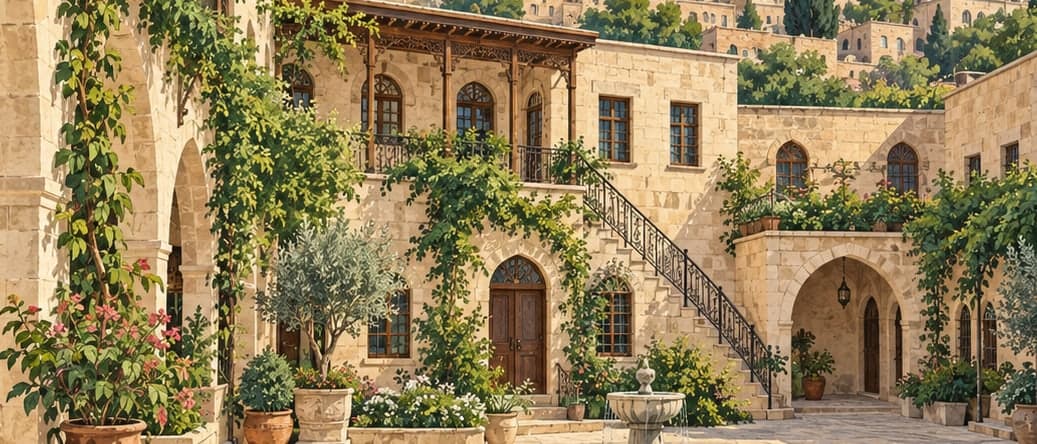
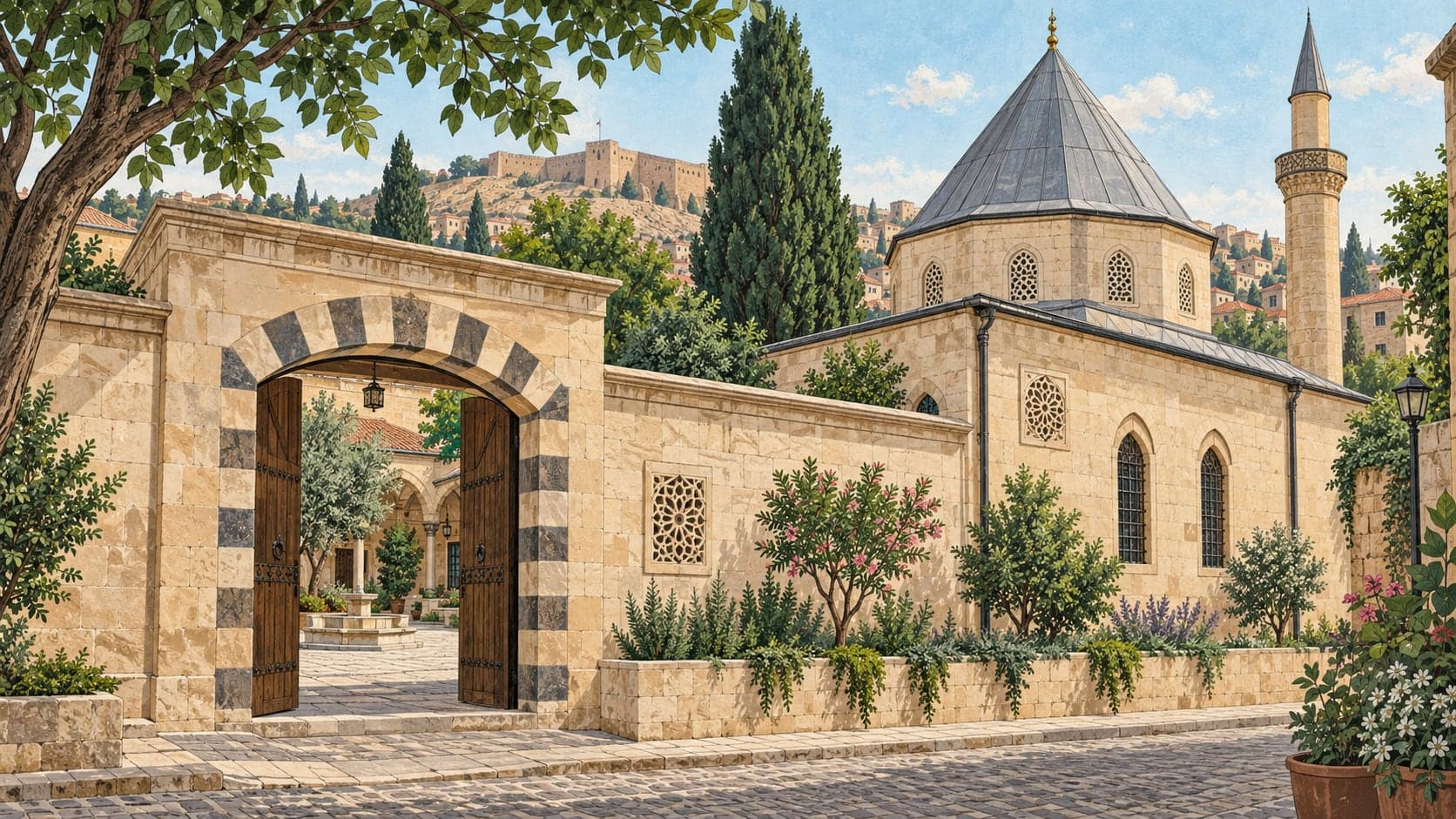
The Gaziantep Mevlevihane was a working Mevlevi lodge in the Ottoman period, where dervishes worshipped, studied and ran the order's social life. It was built in the 17th century in classical Ottoman style, of cut stone, and still shows the parts a lodge needed: the semahane where the ceremony was performed, the dervish cells, the kitchen and the guest house.
It stands inside the Tekke Camii complex, between Kozluca Mahallesi, Buğday Arasasi and Şehitler Caddesi, and the museum is split across two buildings in the mosque courtyard. On the left as you enter, a three-storey block holds Mevlevi material together with selected works from pious foundations — metalwork, manuscript Qur'ans and examples of Turkish calligraphy. The two-storey space on the right of the courtyard shows kilims and carpets.
The building's later life is part of what is on display: over the last century the four-hundred-year-old lodge served in turn as a primary school, a depot, a mufti's office and mosque housing before it was arranged as the museum it is now.