Guide
What stands at Sidyma, in the Dodurga neighbourhood of Seydikemer, is Roman, but the inscriptions and the coins found here carry the city's history back before the first century BC. It grew a great deal under Rome and went on doing so in the Byzantine period.
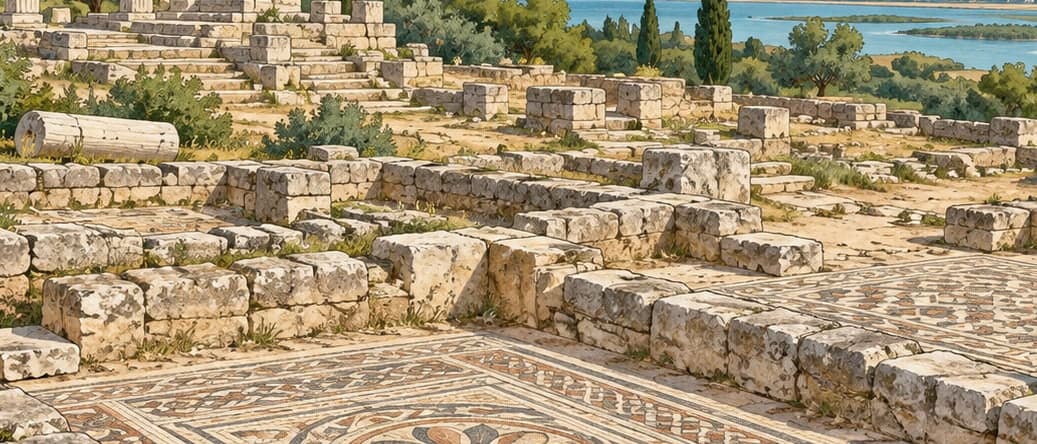
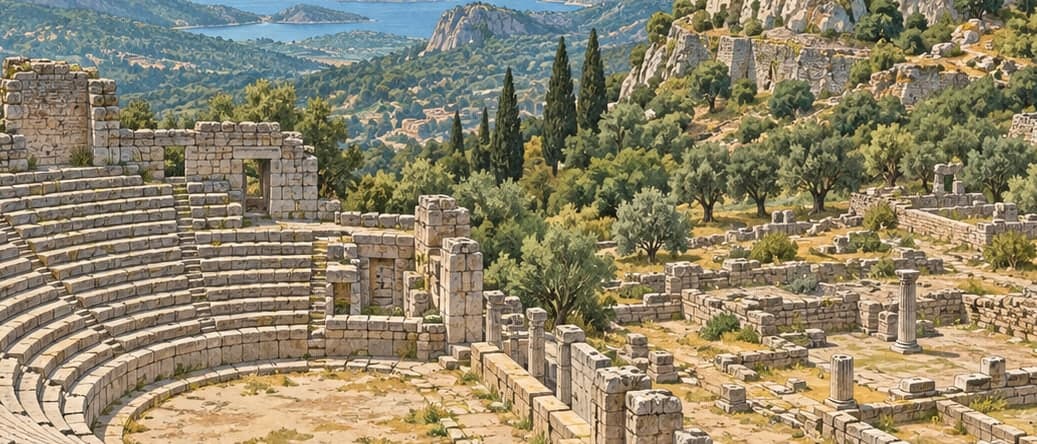
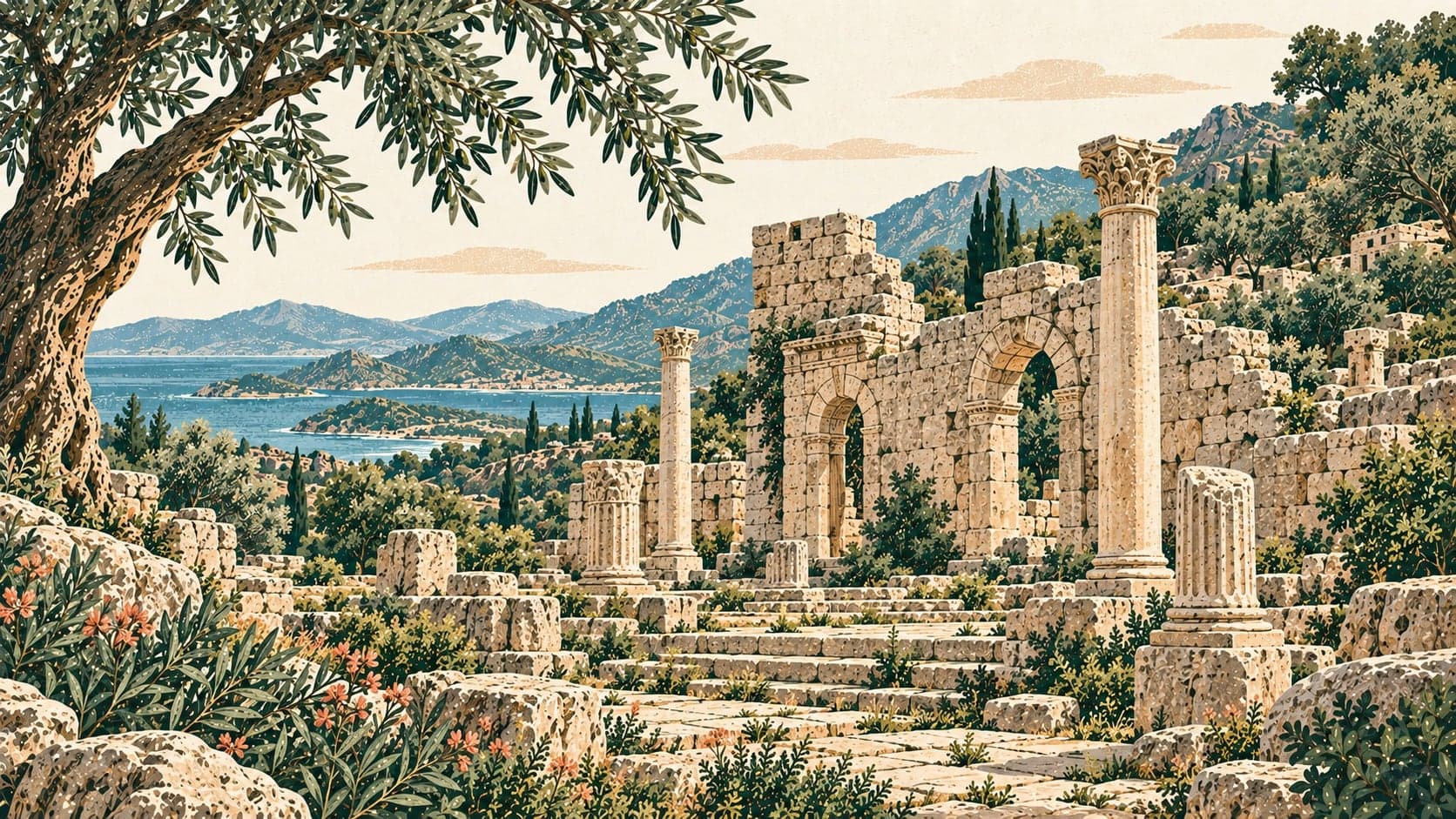
The acropolis occupies a hill of two parts north of the neighbourhood. On its south-east it is enclosed by 365 metres of wall rising, where the ground demands it, to three metres. A polygonal gate and a watchtower stand out on the east. A little beyond is a theatre of late date, mostly buried; six rows of its seating are visible. What the remains on the northern skirt of the acropolis were is not clear, though they are most probably Lycian funerary monuments, and there are many monumental royal tombs in the area.
In the middle of the village a stoa stands very well preserved with its columns upright, built under the emperor Claudius (AD 41–54). Beside it, nine metres long, is a temple of Artemis of the same period. At the entrance to the neighbourhood are the remains of a bath and a church of which only the arches are left. The rock tombs shaped like dovecotes, of the kind seen at Pınara, are a mark of Sidyma, as are the tombs built in the form of houses or sarcophagi.
The city enters the historical record through a story told about Marcian, emperor from 450 to 457, which the portal gives as myth. Marcian took part in the war against the Persians as an ordinary soldier, fell ill on the road, left his unit and stayed at Sidyma. He became friends with two brothers there who looked after him through his illness. When he had recovered somewhat he went hunting with them, and having lain down to rest at midday he fell asleep in the sun; the brothers saw a large eagle spread its wings above him in the air to give him shade, and told him so when he woke, reading it as a sign of empire. Marcian answered that this could not be, but that if it ever came to pass he would not forget them.