Guide
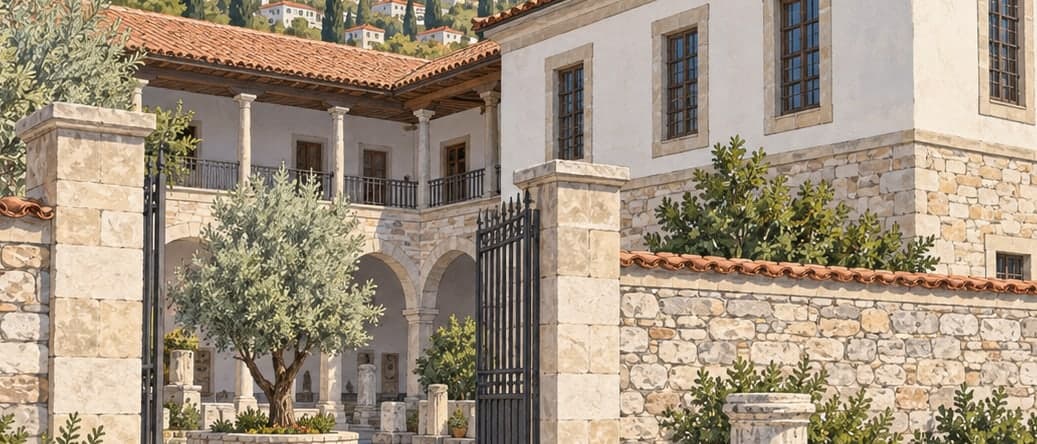
Stratonikeia is not a single-period ruin. Excavation in the city centre shows settlement from the Late Bronze Age to the present, and the site carries Byzantine churches and houses, a bath of the Beyliks period, and from Ottoman times the Şaban Ağa mosque, a fountain and the houses of local notables — Turkish architecture standing among the ancient city.
The place has been called five things in turn: Atriya, Khrysaoris, İdrias, Stratonikeia and Eskihisar. It took the fourth of those when it was refounded in the name of Stratonike, wife of the Seleucid king Antiochos I, who reigned from 281 to 261 BC. The ministry also calls it the city of gladiators, because surviving gladiators came here to live out their retirement.
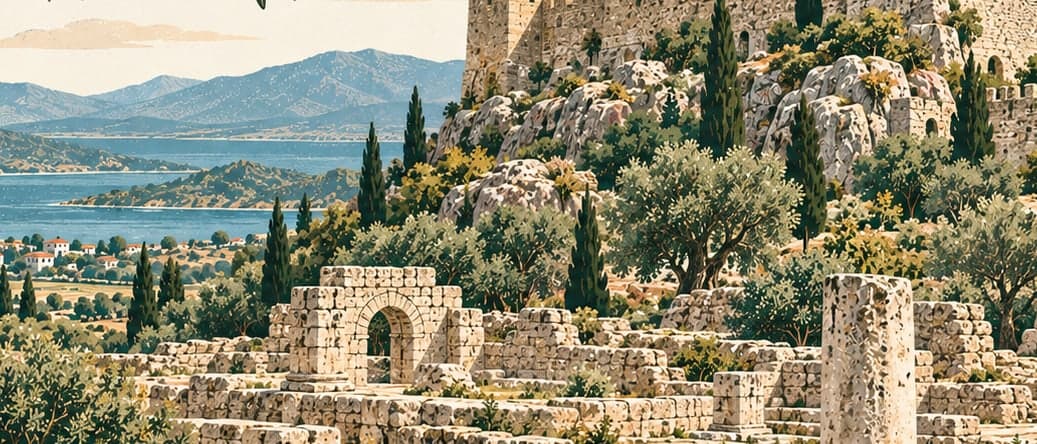
The Hellenistic city was laid out on a grid of intersecting parallel streets and Rome kept the same plan; after the Roman period the settlement shrank, so under Byzantium, the Beyliks and the Ottomans only parts of it were occupied. Two circuits of wall survive, Archaic and Classical.
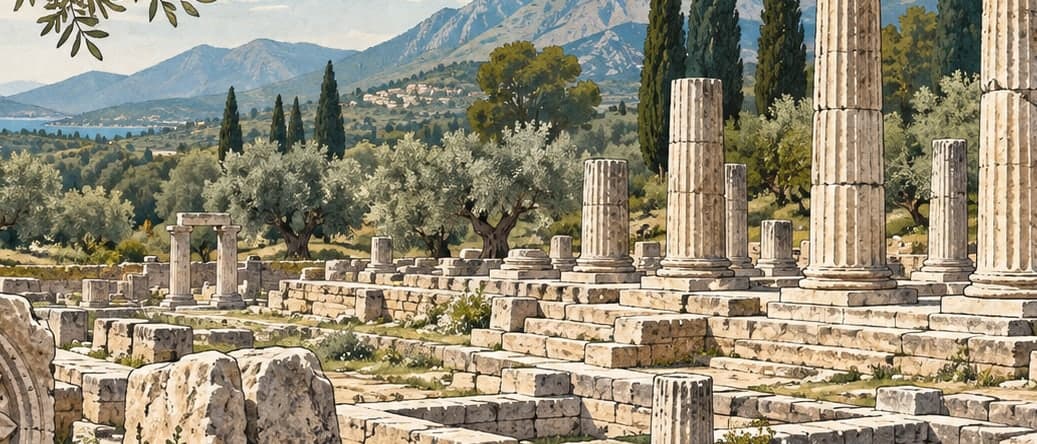
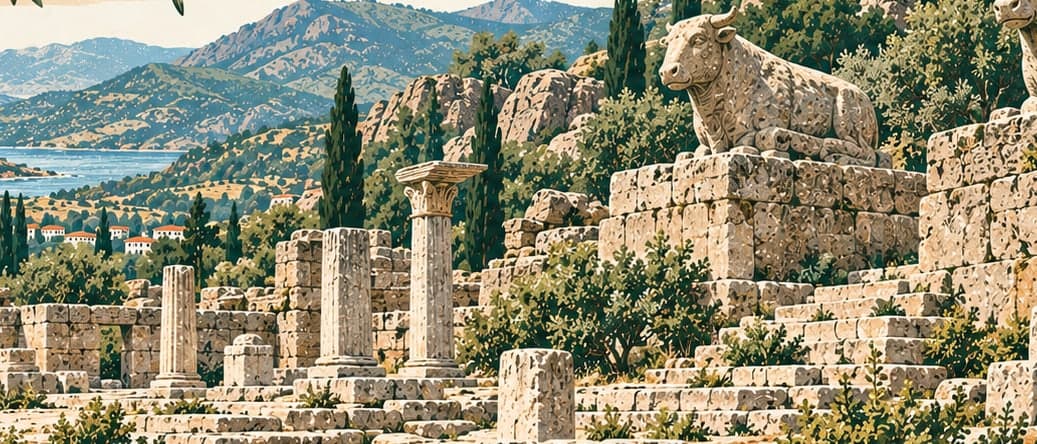
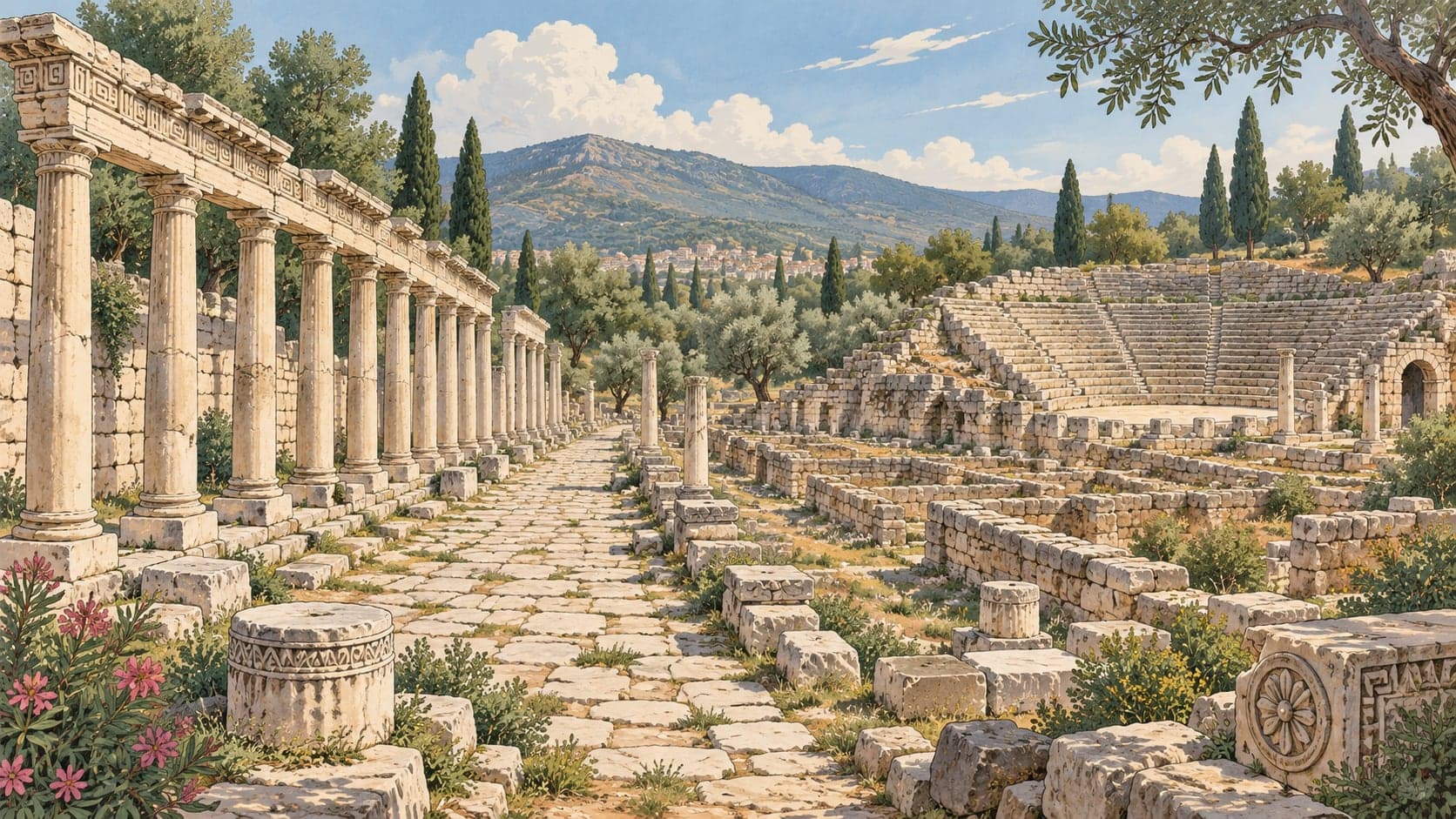
Standing buildings include the gymnasium, the theatre, the bouleuterion, bath complexes, agoras, temples, city gates, a colonnaded street, fountains, a water structure and funerary monuments. Two inscriptions on the council house walls are worth looking for: the calendar inscription of Menippos in Greek, and a Latin list giving the names and prices of every good and service sold in the city in the Roman period. Lagina, the sanctuary twelve kilometres away that our inventory holds separately, was joined to Stratonikeia by a sacred way.