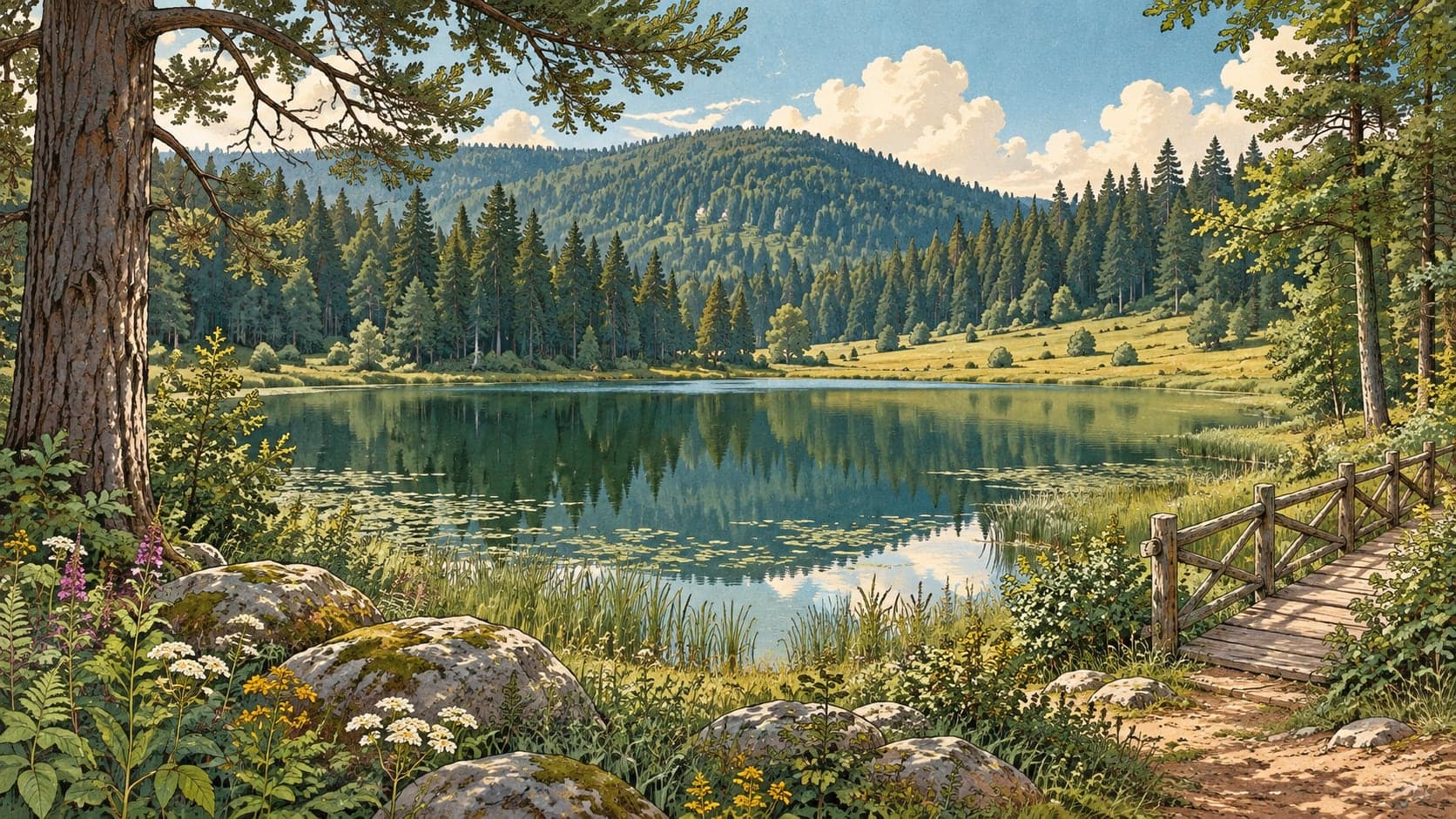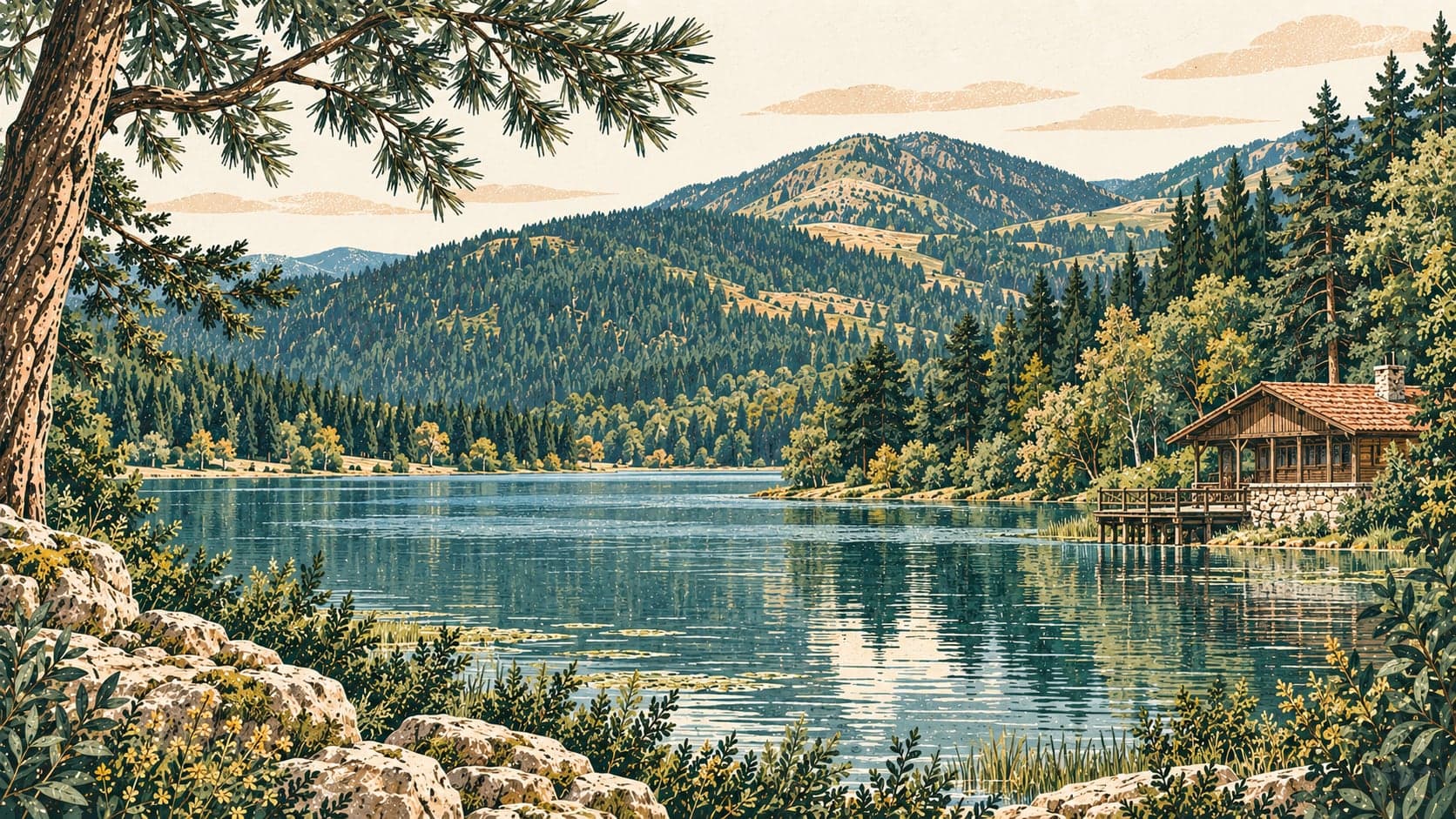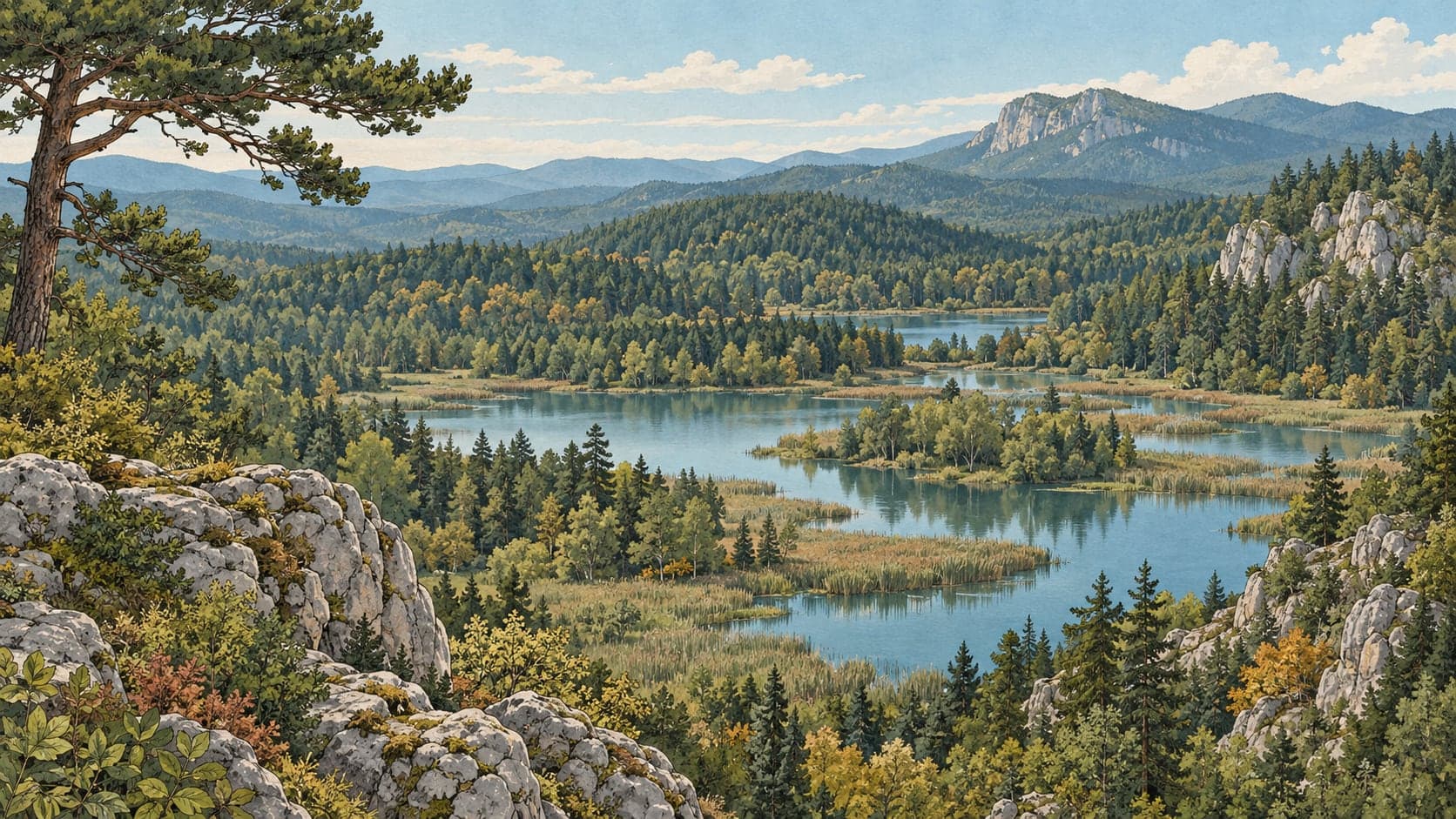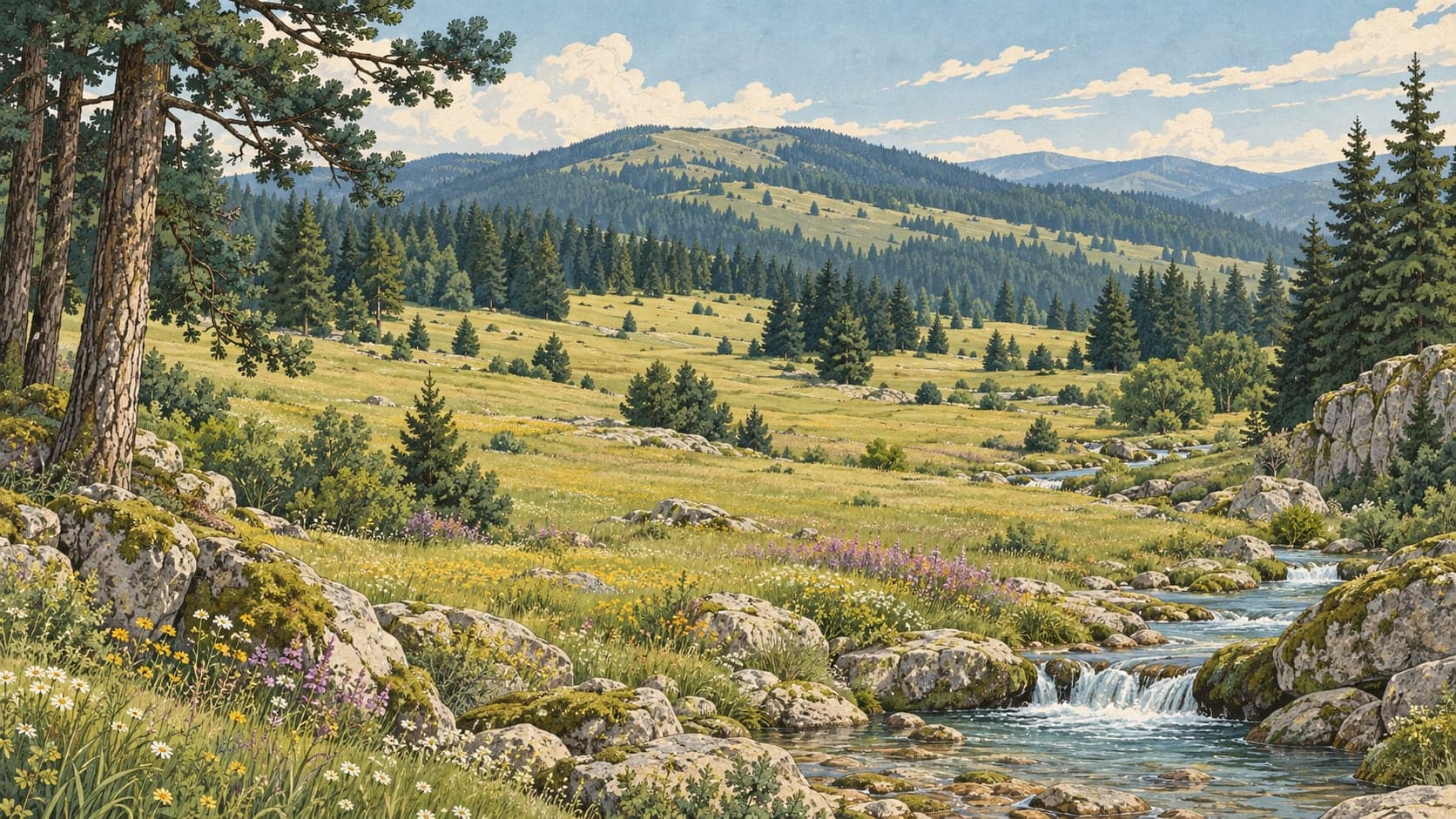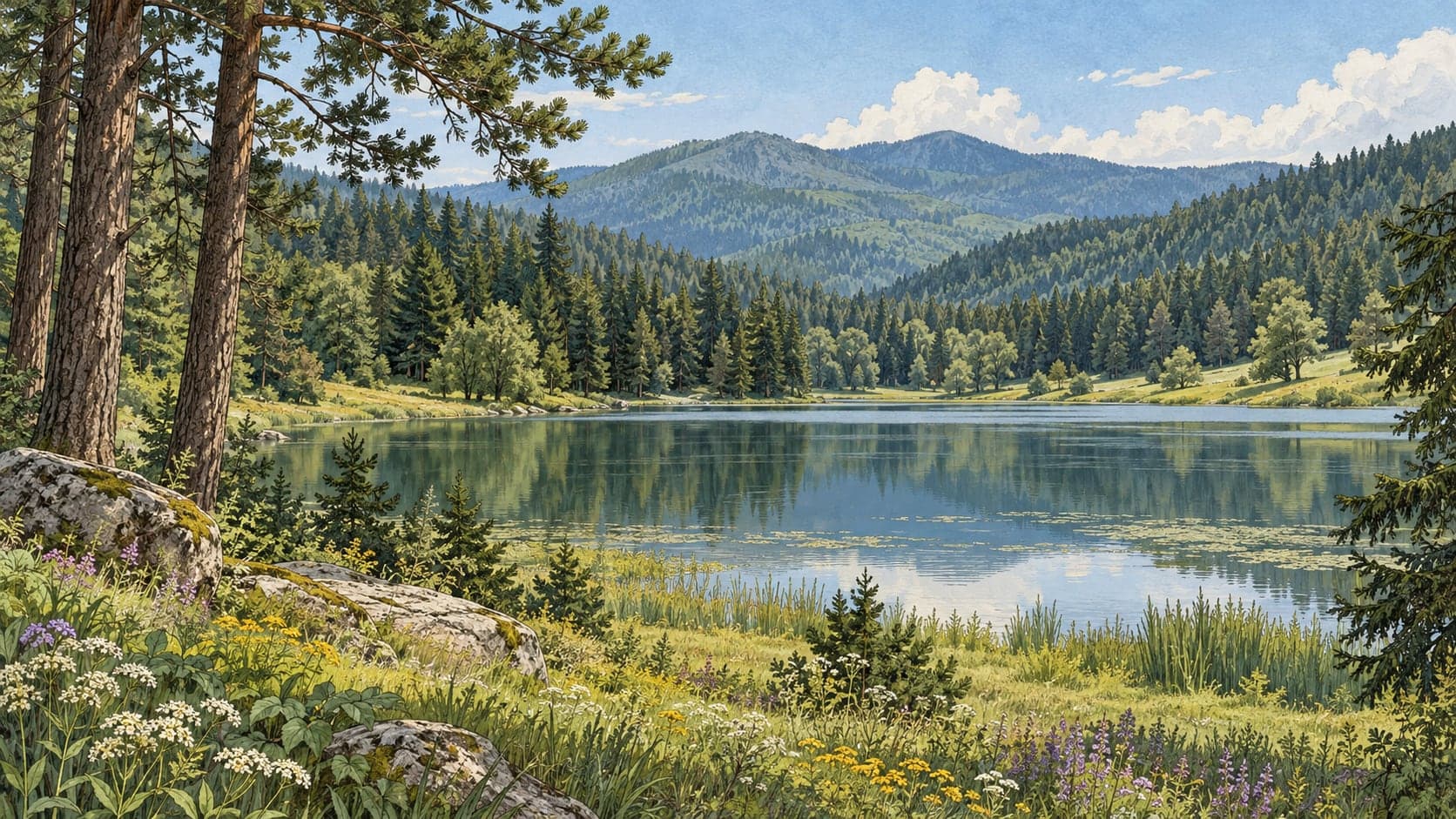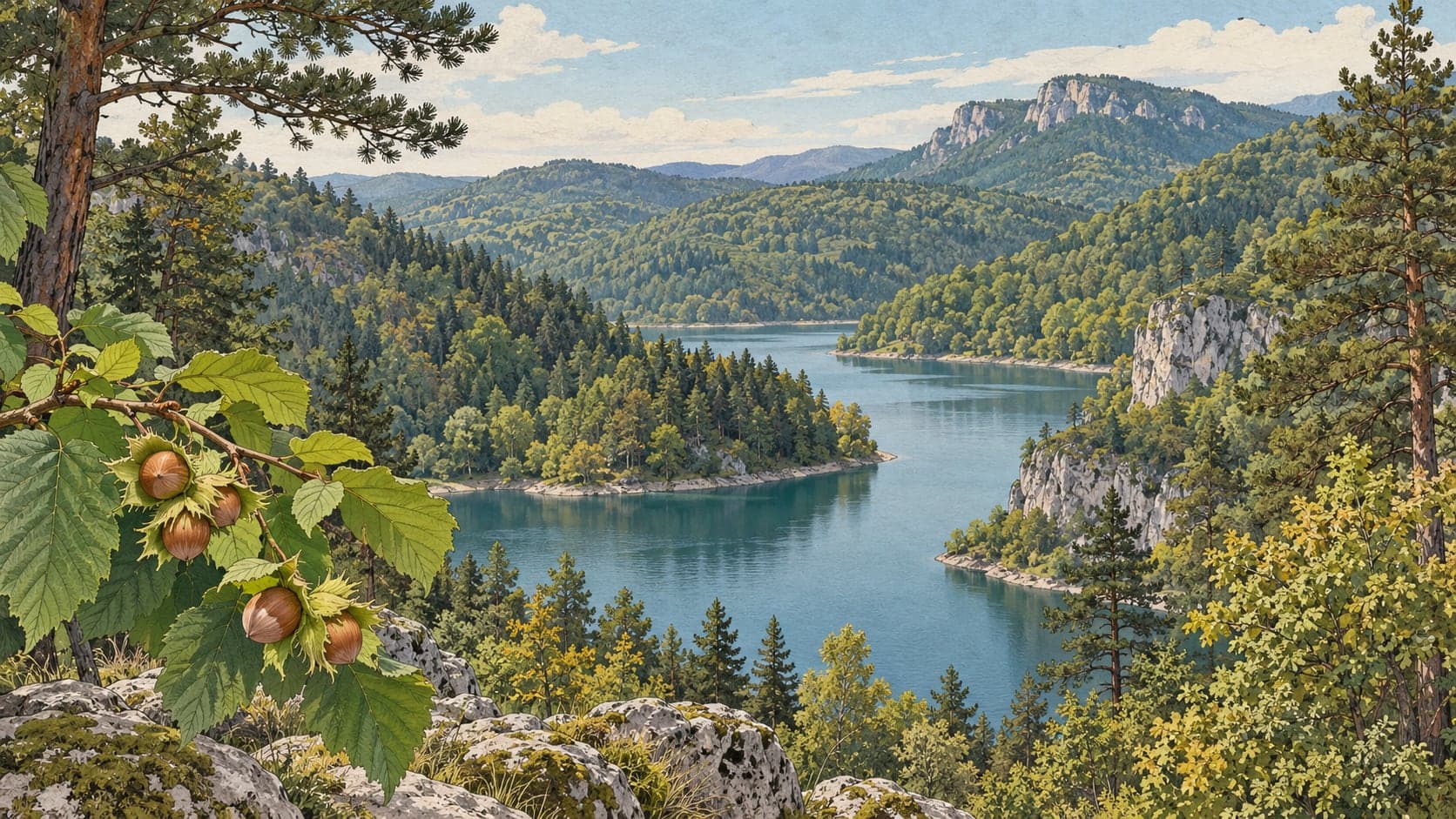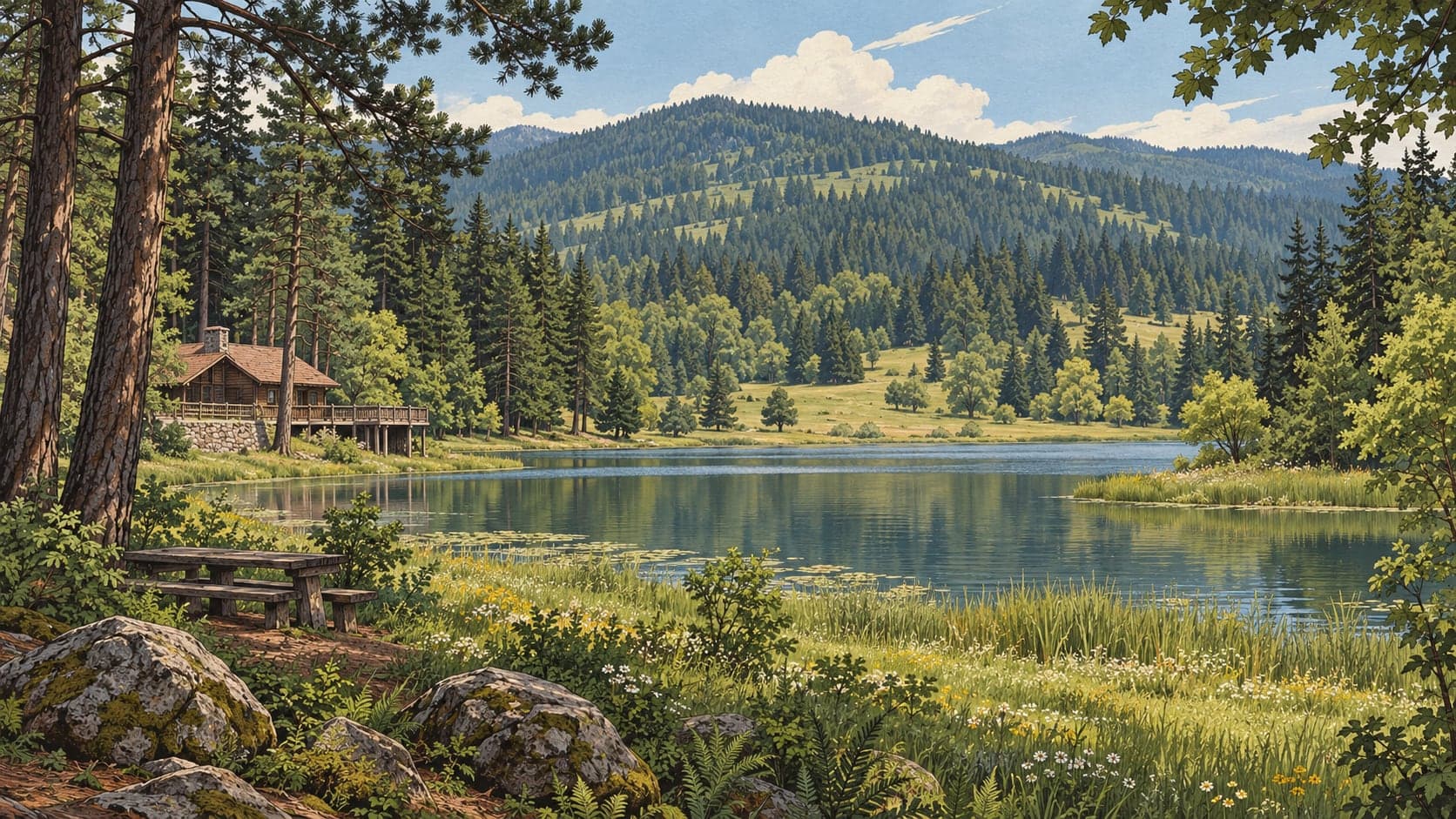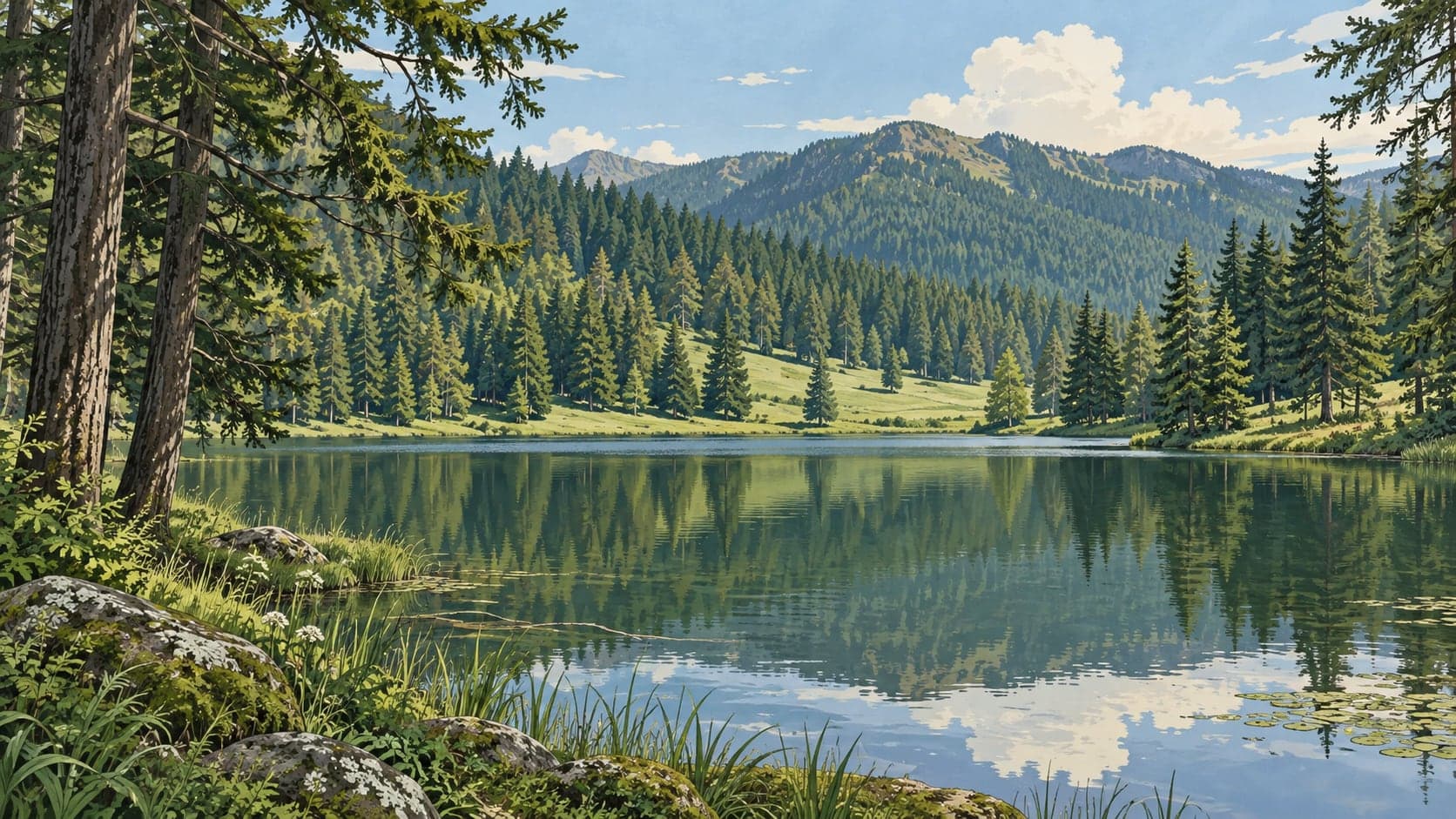
Our compilation for Bolu, not an official route, and it is mostly forest and water. Yedigöller is the best known of them: landslip barrier lakes under cover thick enough to have earned the name sea of forest. Abant, a crater and accumulation lake in the mountains of the same name, was a nature park for decades and became a national park in 2022.
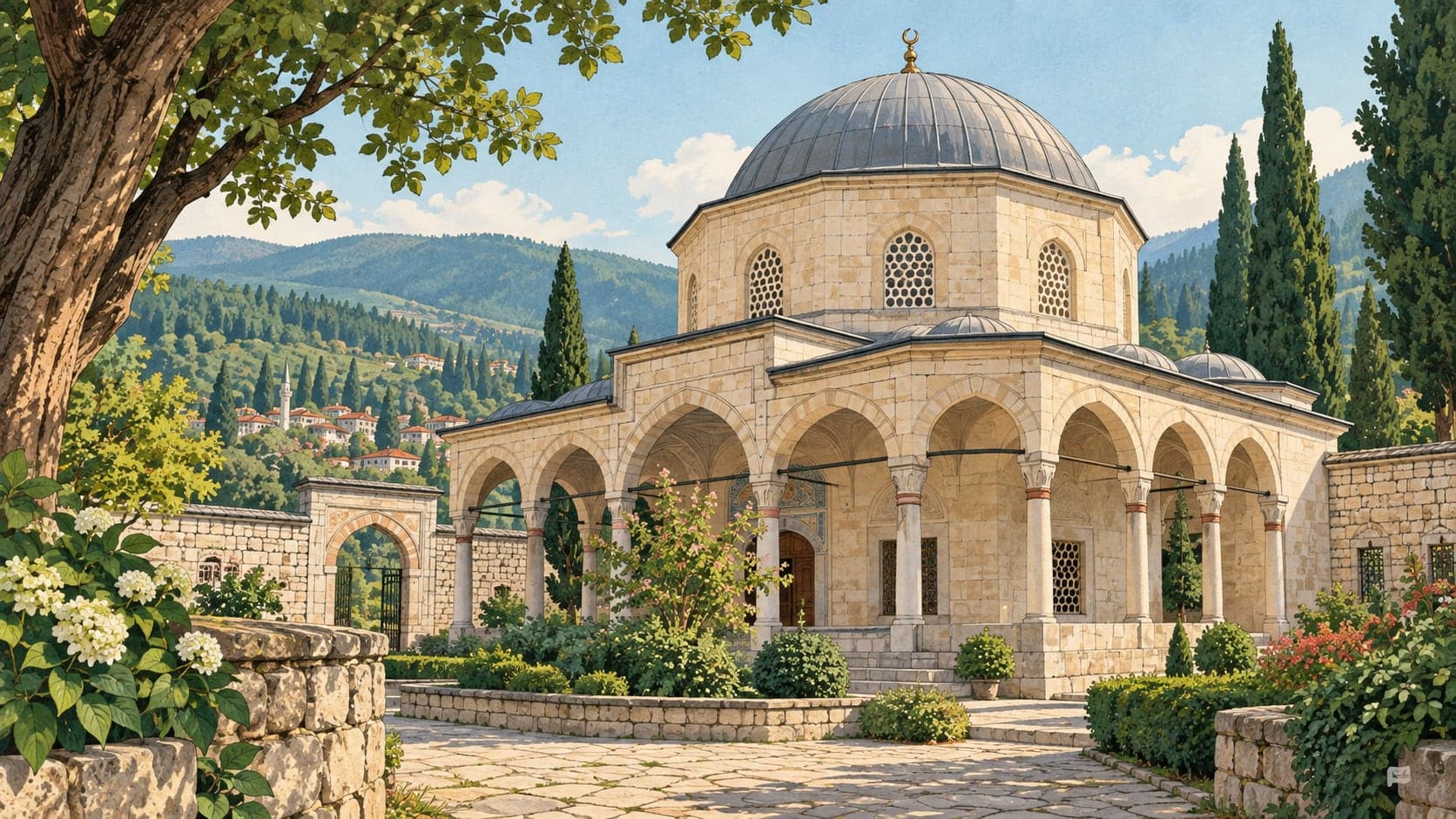
Göynük sits at the western end, apart from the rest. The tomb of Akşemseddin — teacher to Mehmed II, and the sultan had it built for him — is a hexagonal, domed, cut-stone building, and his own cenotaph inside is a good piece of Ottoman woodwork on its own account. Our inventory carries this tomb as two separate records at the same position; we have not merged them, and they are one stop, not two.
The smaller parks ring the city and several are worth knowing about before setting out rather than after. Sülüklügöl needs your own vehicle and a long last stretch. Karaca has no facilities and is not open, its development plan still unfinished. Kökez, Kale Bolu Fındığı and the Akdoğan and Rüzgarlar stands are conservation areas open for educational use only — what is protected in them is old fir, the straight-trunked Turkish hazel, and a rare pine variety the directorate says grows naturally nowhere else.
That leaves the ones laid out for a day: Kargalı Gölcük on the Kartalkaya road, Beşpınarlar on the Kızık plateau south of the city, and Karagöl in the Köroğlu mountains, three quarters black pine. Several of these lie close enough together to take in one outing. What each place is, and who says so, is on its own page.