Guide
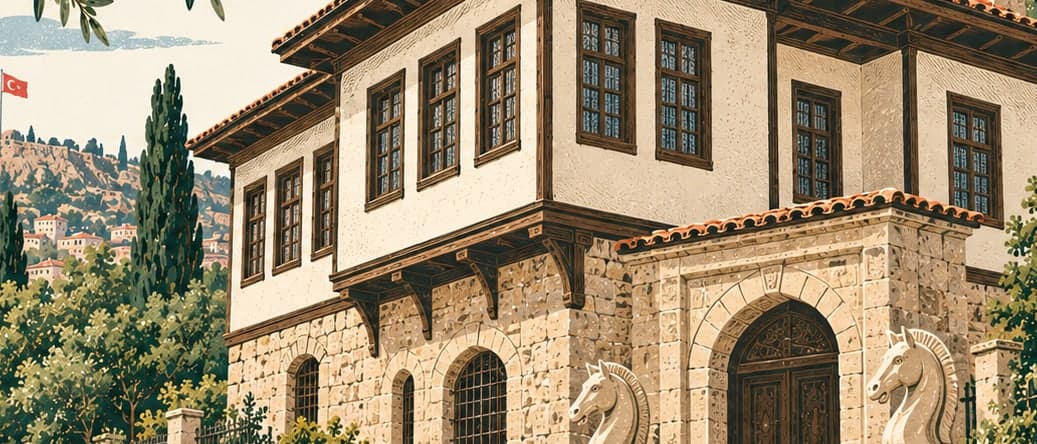
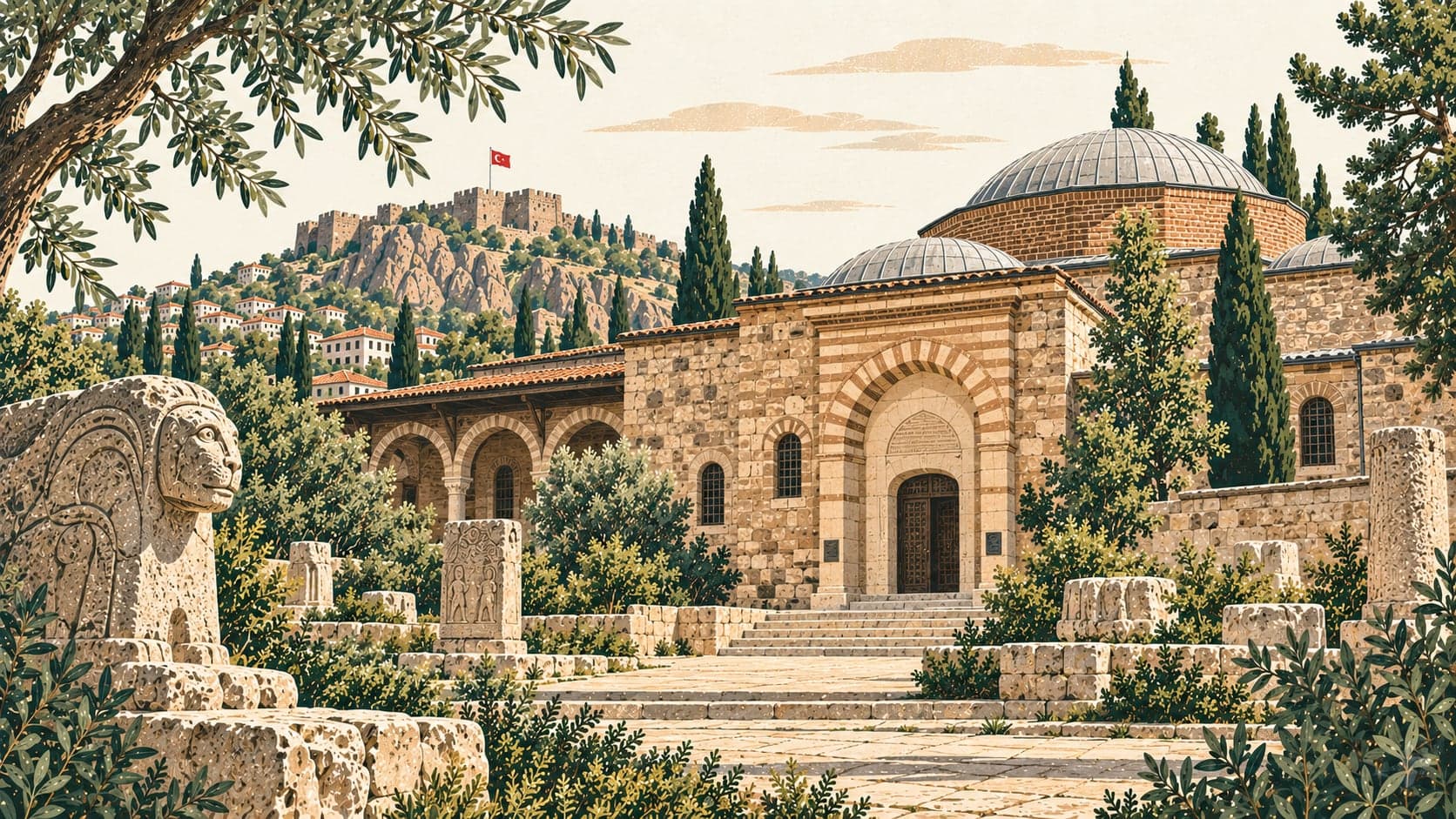
The Museum of Anatolian Civilisations occupies two Ottoman buildings below Ankara castle: the Mahmut Paşa covered market, built by the grand vizier Mahmud Pasha, and the Kurşunlu Han, built by the grand vizier Rum Mehmed Pasha. Both were bought and restored by the Ministry of Education at the wish of Mustafa Kemal Atatürk and turned into a museum, and have been restored and rearranged several times since. The institution was founded with the intention of being a Hittite museum, and is still known by that name; over time it took in works of the other civilisations of Anatolia as well, and the collection grew until what is shown in the galleries amounts to less than five per cent of it.
Ankara's first museum opened in 1921 in the tower of the castle called Akkale, set up by Mübarek Galip Bey, then director of culture, with the education minister Hamdullah Suphi Tanrıöver. Remains had been recovered and stored from sites such as the Temple of Augustus and the Roman baths, but this was the first time they were kept in an orderly way. The room was so small that the need for more space came quickly. Remzi Oğuz Arık, who directed the museum for a time, said it looked less like a museum than a tidied store, and in those years the collection was open not to the public but only to scholars working in history.
In 1936 Hamit Zübeyir Koşay, then director of culture, proposed repairing the derelict Mahmut Paşa market and Kurşunlu Han south-east of the castle to serve as the museum's new home. The education minister Saffet Arıkan had the buildings transferred to the ministry, and a restoration began in 1938 that ran until 1968. In 1940, with the work still under way, one section of the market was finished quickly and the objects from Akkale were moved there by a committee led by the German Hittitologist Hans Gustav Güterbock; the first part of the museum opened to visitors in 1943. Güterbock, then teaching at Ankara University, also took charge of restoring and preparing for display the finds from Alacahöyük, Karkamış, Sakçagözü, Malatya and Cerablus.
The museum was known as the Museum of Antiquities, and after the move to the covered market it was called the Archaeological Museum until 1968, when it took its present name.
Visit status for this record: open to visitors.