Guide
Dara lies in the village of Oğuz, 30 kilometres south-east of Mardin. One of the most important settlements of Upper Mesopotamia, it was founded in 505 on the initiative of the emperor Anastasius (491–518) as a military garrison city, built to hold the eastern frontier of the Eastern Roman empire against the Sasanians. With the decline of the empire the city lost its importance over time.
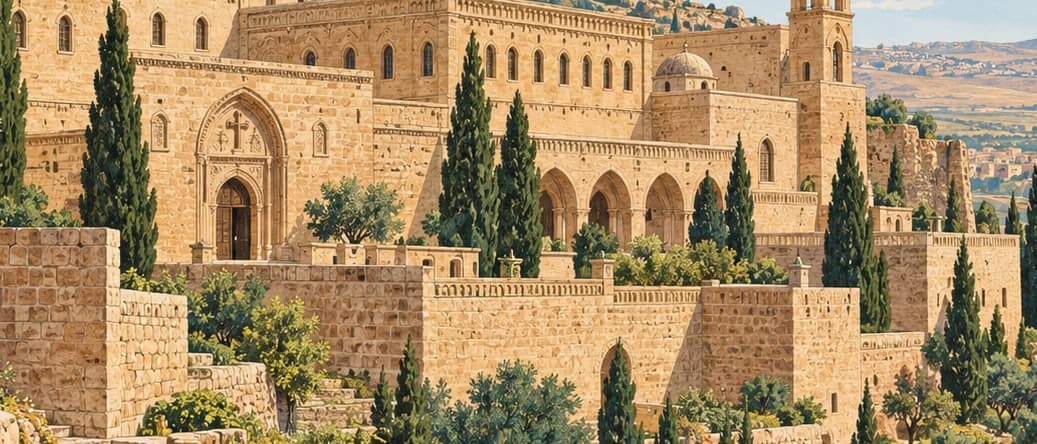
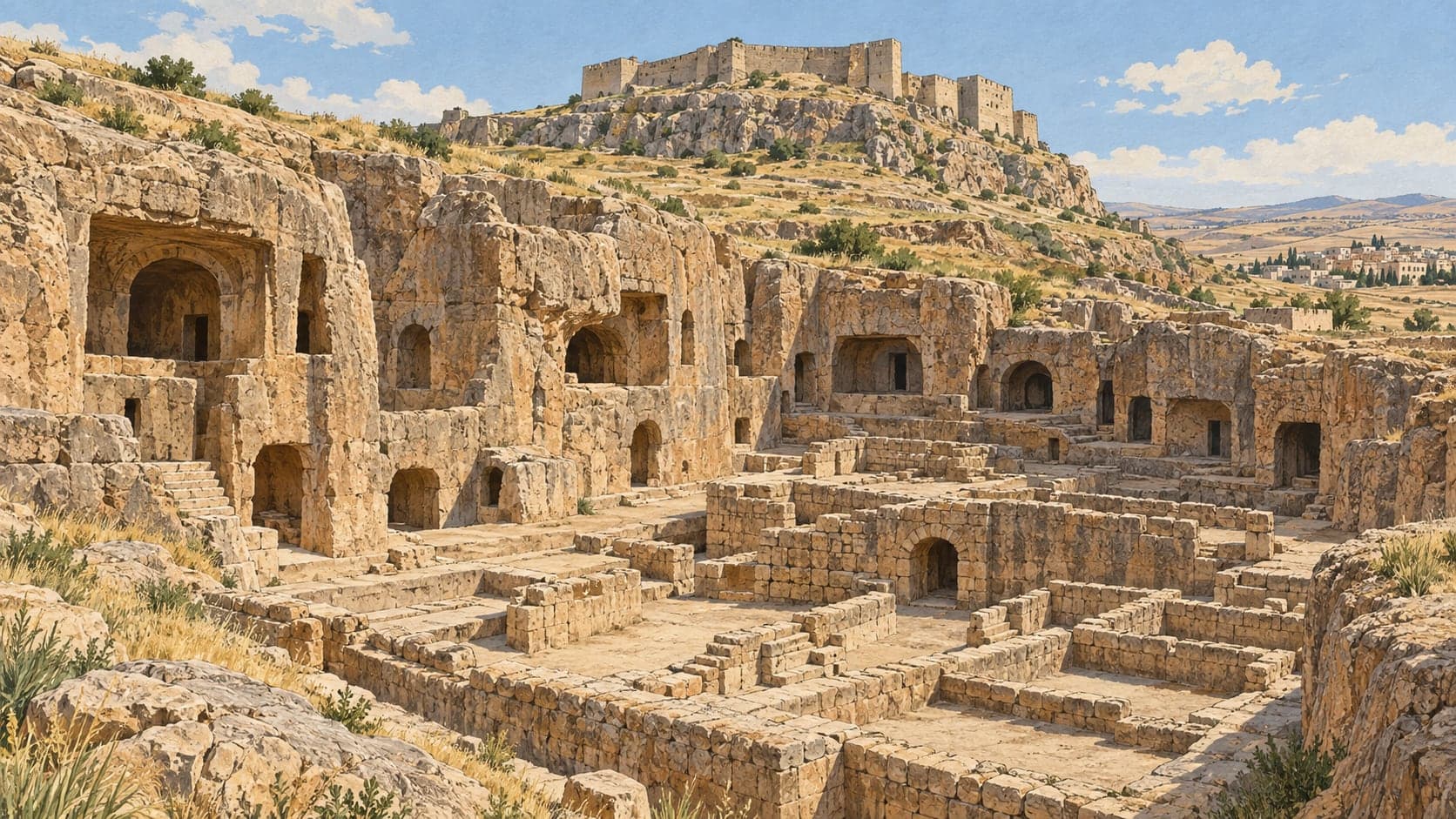
Much of Dara is cut into the rock rather than built on top of it, and the city spreads over a wide area behind a four-kilometre circuit of wall. The citadel stands on the flat top of a hill fifty metres high at the northern end. Within the site a visitor can still see a church, a palace, a market, a dungeon, an armoury and a water dam. Beneath the city lie enormous cisterns, which served both to supply water and as part of the defences, and around the village are cave houses whose history reaches back to the late Roman period.
The most striking part of Dara is its cemetery. On the broad hills west of the city, rock tombs were made by cutting away the bedrock into deep, wide valleys — a scale of quarrying and burial that is the reason many people come. The site also holds Islamic-period graves and a tomb thought to date from the 14th or 15th century.
One practical point: the site is reached from the Mardin–Nusaybin road, turning ten kilometres inland at Akıncılar village, and there is no minibus service, so a car or taxi is necessary.