Guide
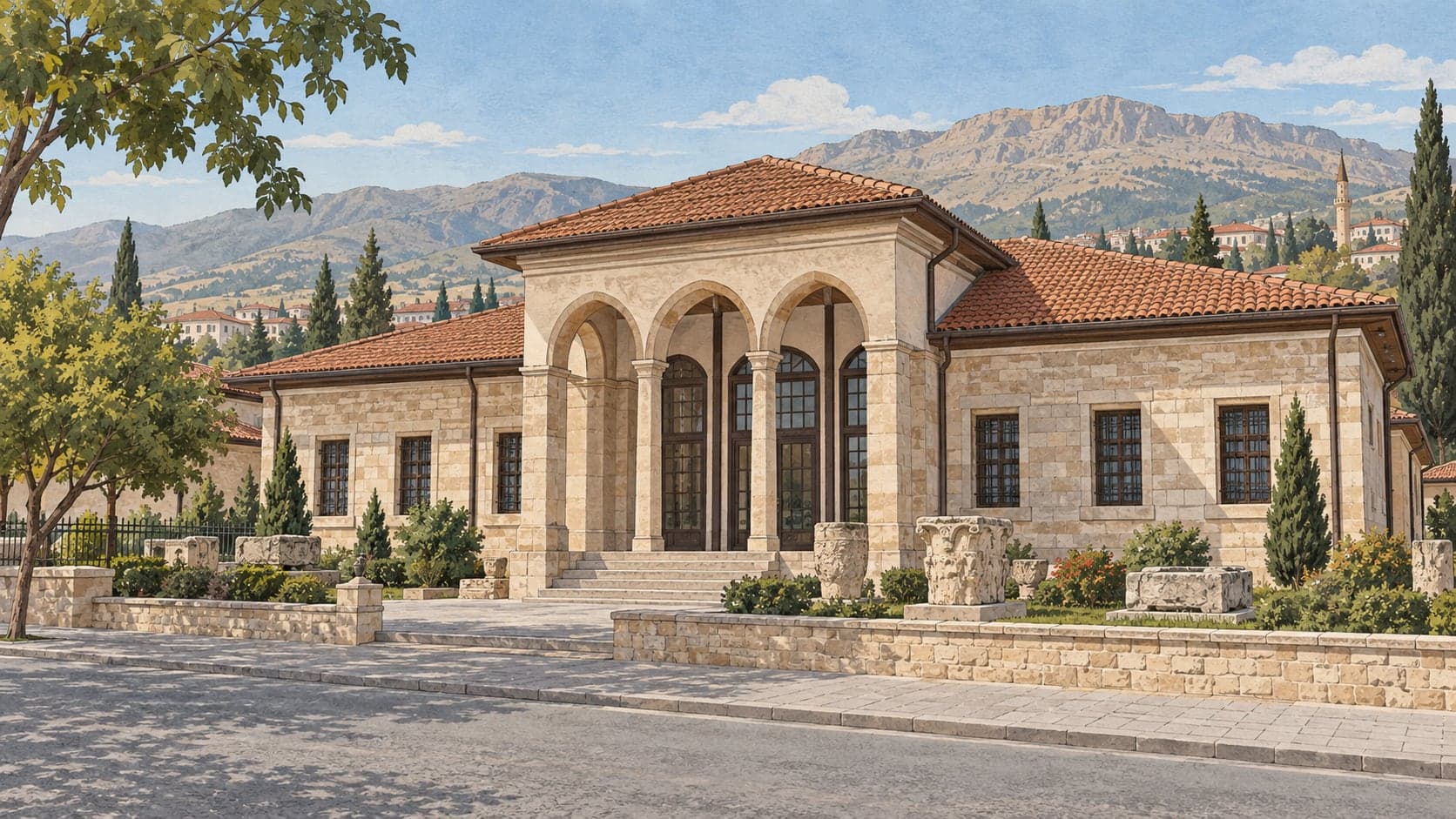
Ereğli Museum in Konya province was built because of what the district kept producing: construction began in 1967 in view of the history and wealth of finds around Ereğli, and the museum opened in 1968. It was repaired in 1980 and a separate storage building added. The single-storey building has two display halls, archaeology and ethnography.
The archaeology hall shows about five hundred objects in five cases, arranged chronologically. The first covers the span from the Neolithic to the Late Hittite period with material found in and around Ereğli — vessels, stone tools, obsidian, seals. The second holds finds from the 1974 excavation of the Göztepe tumulus, which are Hellenistic, together with Roman statue fragments and figurines, and lamps.
The third case carries finds from the excavation of the Oymalı underground cities, 40 kilometres from Ereğli, along with Byzantine material and glass unguentaria. The fourth is given over to coins, separated by period. The fifth holds fragments of a mammoth fossil found by accident at Zengen, a town 17 kilometres away, when it came up on the bucket of a digger working a sand quarry.
The ethnography hall has two cases and about a hundred and fifty objects, bought or donated: local clothing, jewellery and copper plates among them. A museum of the same name exists at Karadeniz Ereğli in Zonguldak province; this is not that one.