Guide
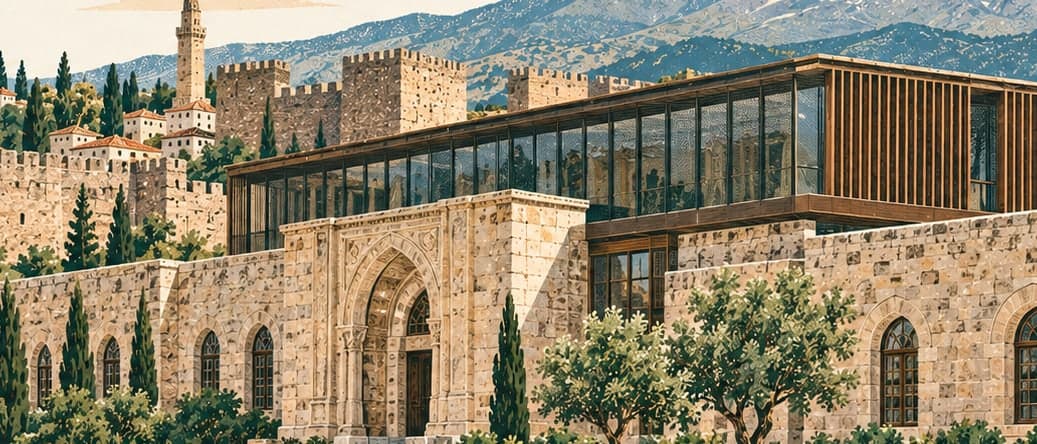
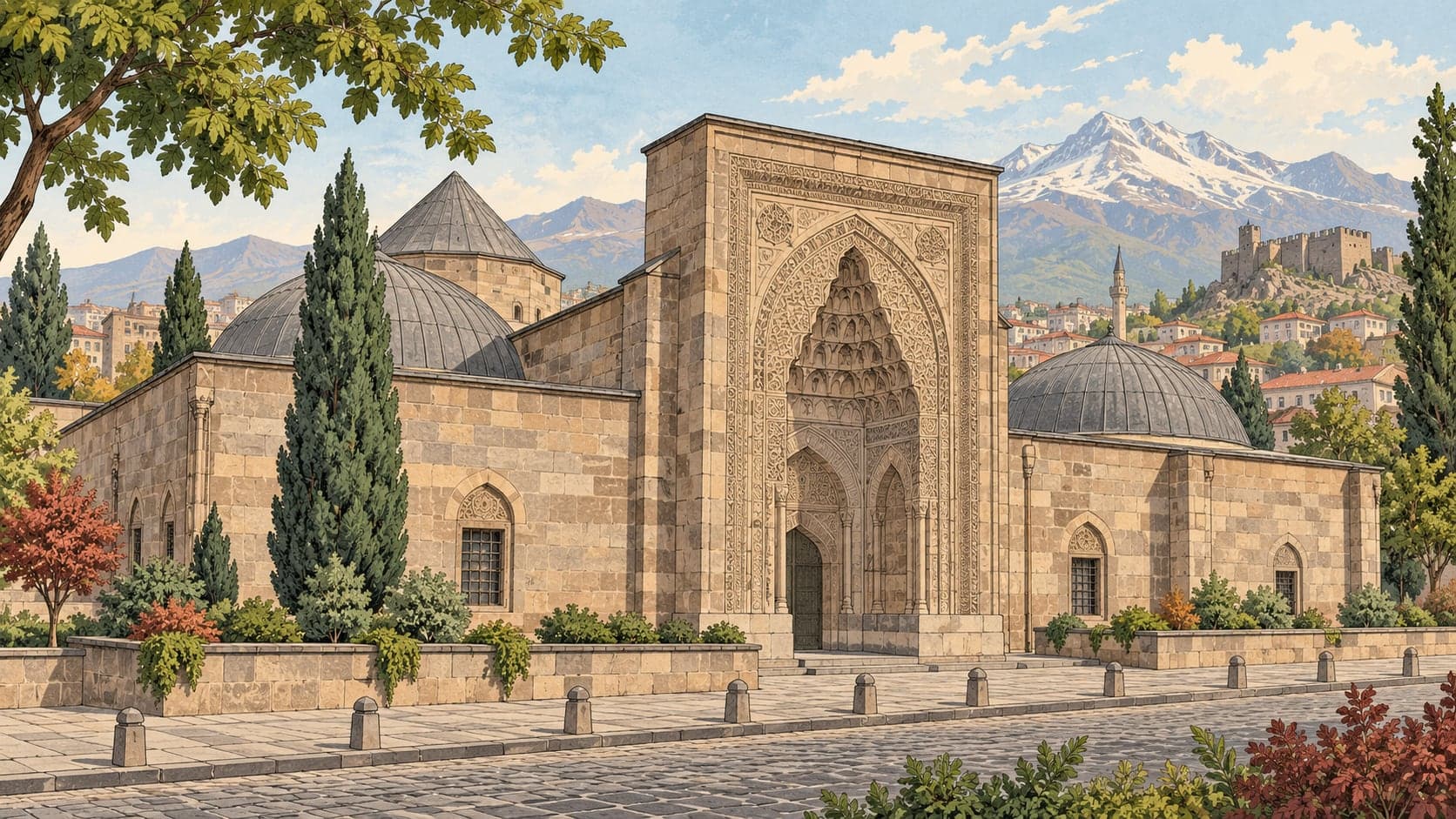
The Gevher Nesibe hospital and the Gıyasiye medrese, known together as the Çifte Medrese, the double medrese, were built in 1205 and 1206 by Gıyaseddin Keyhüsrev I, on the will of his sister Gevher Nesibe Sultan, daughter of the Seljuk ruler Kılıçarslan II. Plain in its architecture, the complex is among the most important surviving buildings in the architectural history of Anatolia.
It was repaired in part during the Ottoman period but had fallen into ruin, and thorough restoration was carried out from the 1960s onward. From the 1980s Erciyes University used it as a museum of the history of medicine. In 2012 the building passed to the municipality, and work began on founding a Seljuk museum in it.
Small repairs, above all to the roof, together with the assembling of the collection and the preparation of its content, went on intensively for two years. The building — a monument of historical and emblematic value for the city and a part of both local and universal cultural heritage — opened on 21 February 2014 as a museum presenting the Anatolian Seljuk world from several sides.
The museum is planned thematically. Starting from the history of the city, it turns to the Anatolian Middle Ages and to Seljuk civilisation. One part deals with that civilisation — the Seljuk city, its architecture, art, science and dress, with sections on the Seljuks in Kayseri and in Anatolia — while the other takes up the building's own character as a hospital, with sections on illnesses, methods and instruments of treatment, scholars, pharmacy, water and health, and treatment by music and by colour.
Alongside the Seljuk and later objects on display there are interactive and screen-based areas, so that visitors learn about Seljuk civilisation by listening, trying and doing. A children's room offers cartoons and games to bring children to the museum and to the Seljuks, and the building also has spaces for concerts and other cultural events.