Guide
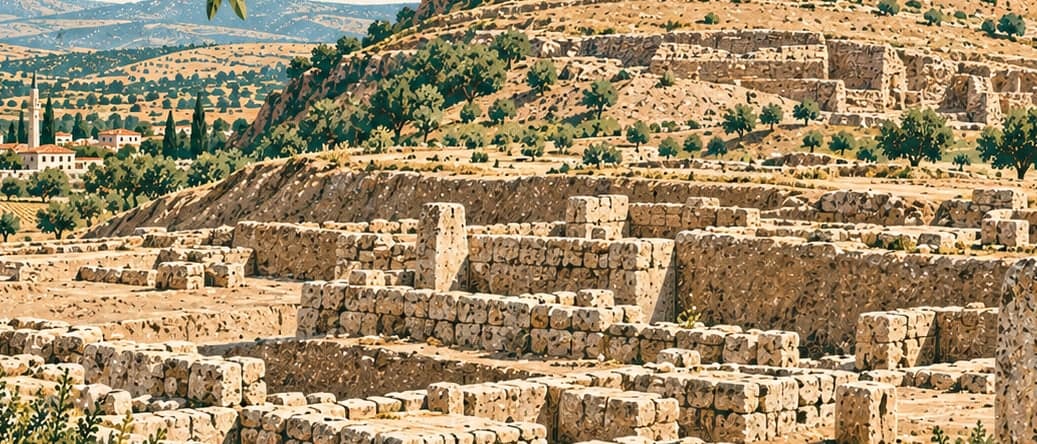
Yesemek lies on the Karatepe ridge above Yesemek village, about 22 kilometres south-east of İslahiye in Gaziantep. It is not a city or a temple but a workplace: a quarry and a sculpture workshop, which the Ministry describes as the largest in the Near East between the last quarter of the 2nd millennium BC and the 8th century BC.
The workforce was local Hurrian. The quarry was brought into production while the region was under Hittite control, in the reign of Suppiluliuma I between 1375 and 1335 BC. Activity slackened for a time and then intensified again under the late Hittite kingdoms, when Hittite, Syrian, Aramaean and Assyrian elements came to dominate the style — an influence the Ministry's account traces westward into the developing Aegean cultures and describes as forming the core of Greek art. In the last quarter of the 8th century BC the Assyrians closed the workshop and took its masters to Assyria. Everything was left where it lay until the first excavations in 1890.
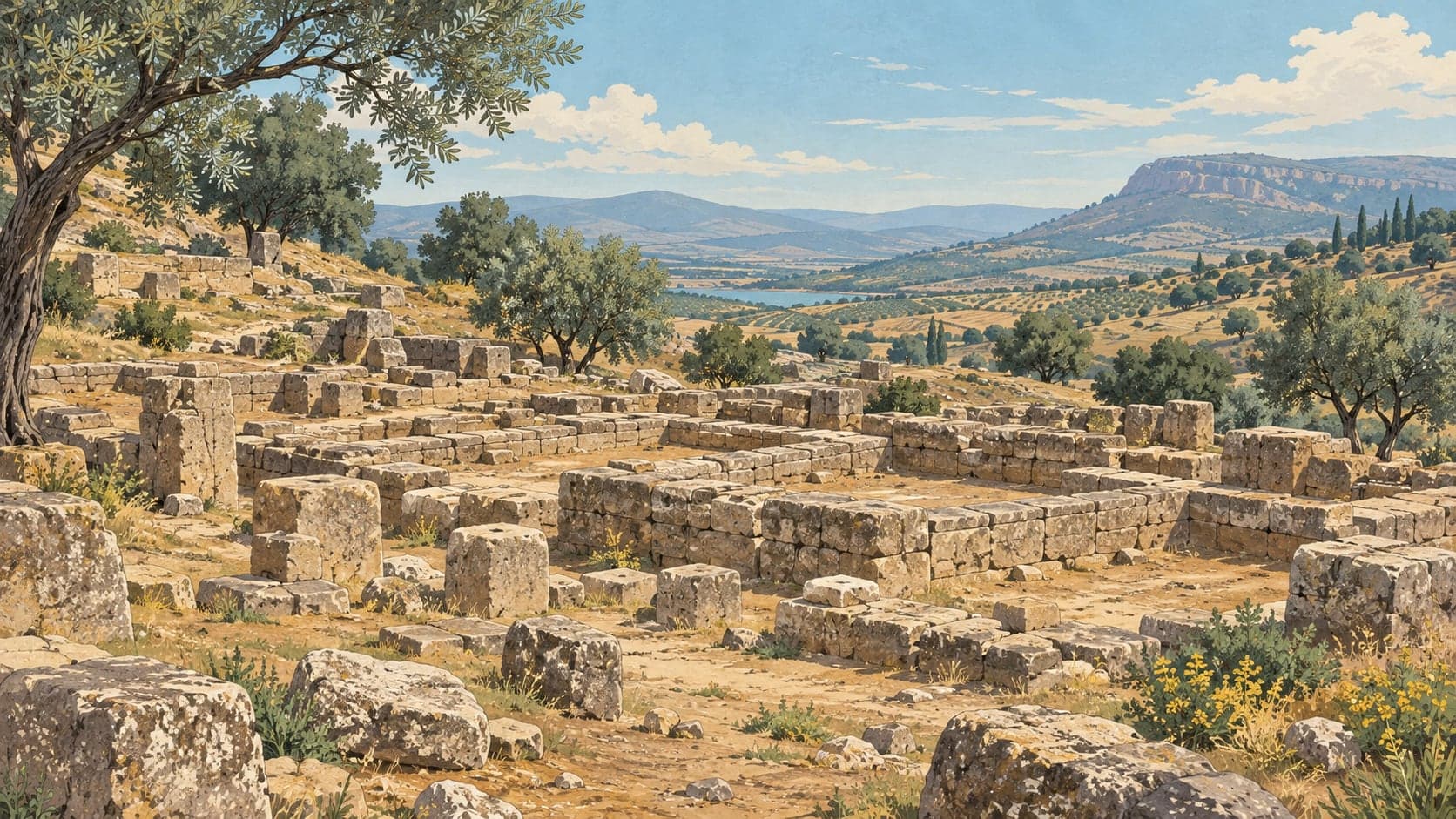
More than three hundred roughed-out sculptures and blanks have since been lifted from the soil and set out in order. Most of them are gate lions. Alongside them stand sphinxes, seated lions, winged lions, reliefs of the mountain god representing the Amanos range, battle scenes and assorted architectural pieces, all displayed in the landscape where they were made; the Gaziantep Museum Directorate laid out the grounds and turned the area into an open-air museum.
What makes the place unusual is that the whole sequence is visible at once — stone cut from the quarry, blanks roughed out, pieces brought towards completion — which is why the Ministry calls it a school of sculpture without parallel, and finds the scale of the operation and the number of sculptors working here striking for its period. Yesemek Quarry and Sculpture Workshop was added to the UNESCO World Heritage Tentative List in 2012. The address is Yesemek Mahallesi, İslahiye, and public transport serves it.