Our compilation for Kahramanmaraş, not an official route. One caution first, and it is not in the sources: the province was hit hard by the 2023 earthquakes, and the pages behind these entries do not say what condition the buildings are in now. We have not guessed.
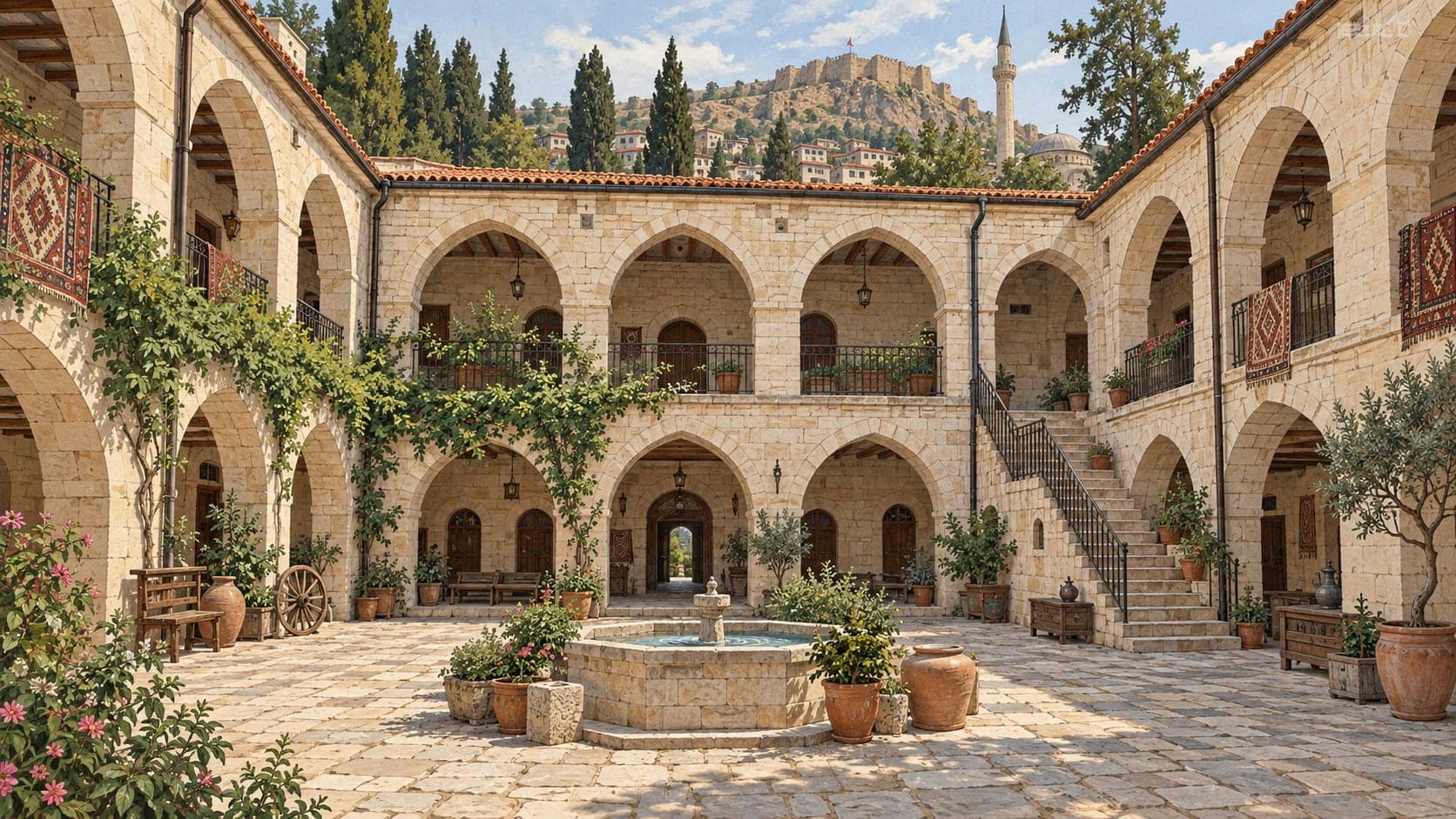
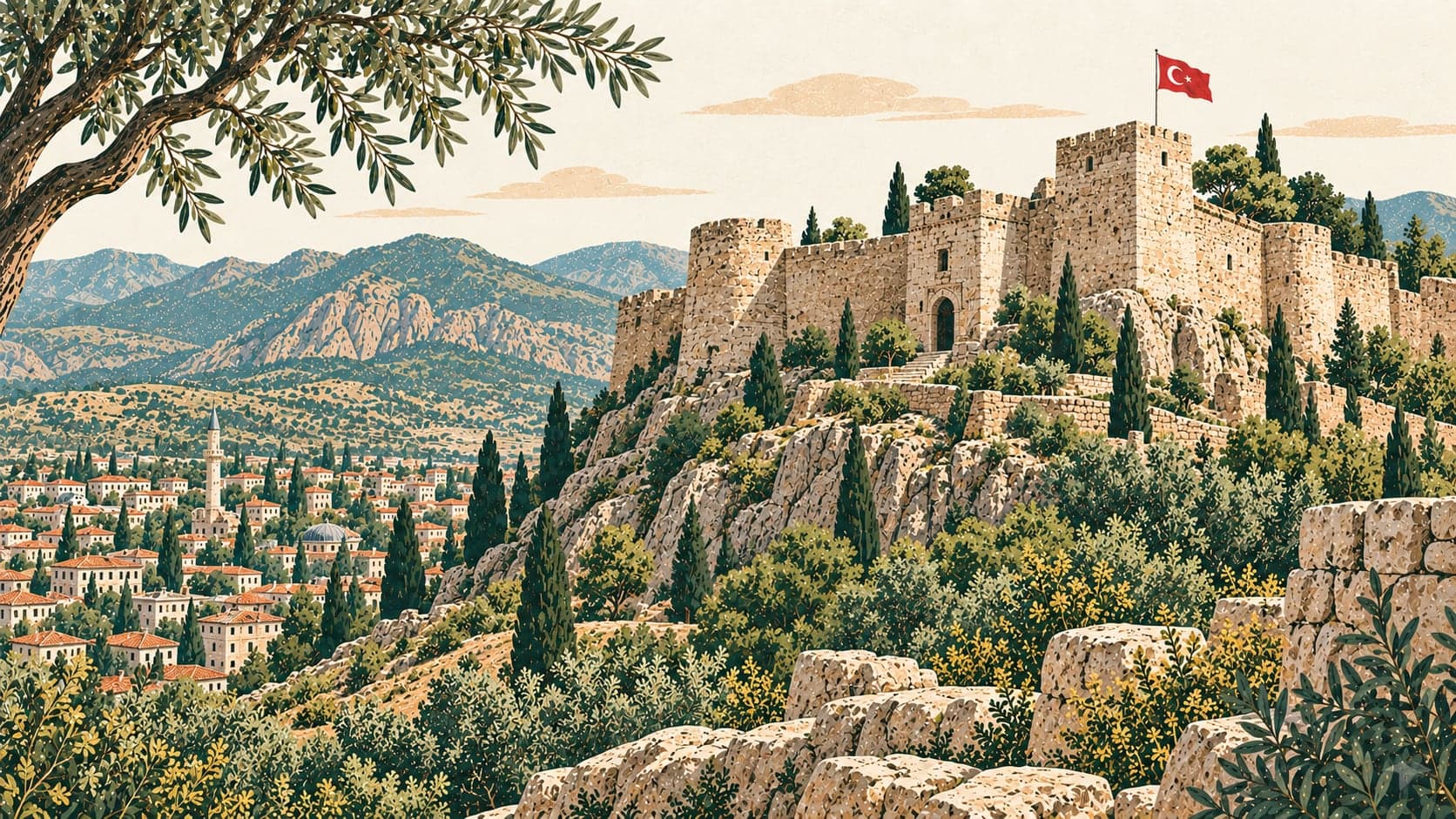
The city centre carries the densest part of the list, and it is all within a short walk. The castle stands on an artificial mound in the middle of town; Katip Han, its foundations going back to the Dulkadirids and its present form to a rebuilding after the fire of 1780, sits beside the historic markets; the Taş Medrese, built at the end of the fifteenth century as a small complex of medrese, masjid and tomb, stands next to the Great Mosque; and two konaks — the Dedeoğlu house and the Mahmut Arif Paşa mansion, once the governor's residence — show how Maraş houses were built, masonry below and timber framing above. The Germanicia mosaics, fourth- and fifth-century floors of hillside villas, are shown as an open-air museum in the same district.
Kapıçam, on the Gaziantep road, is close enough to the city to add to that group; it holds a botanical garden and, beside it, a separate picnic ground.
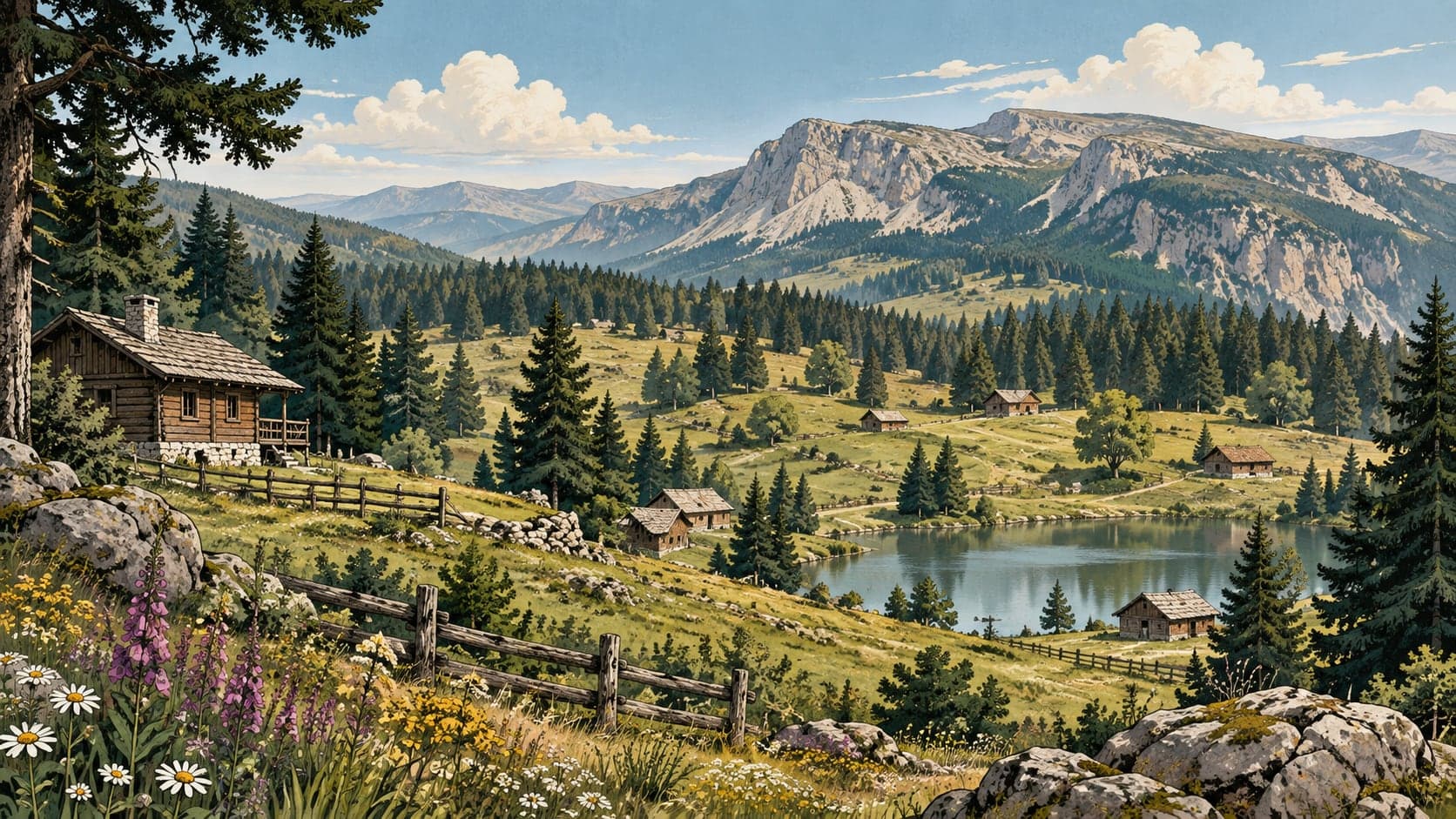
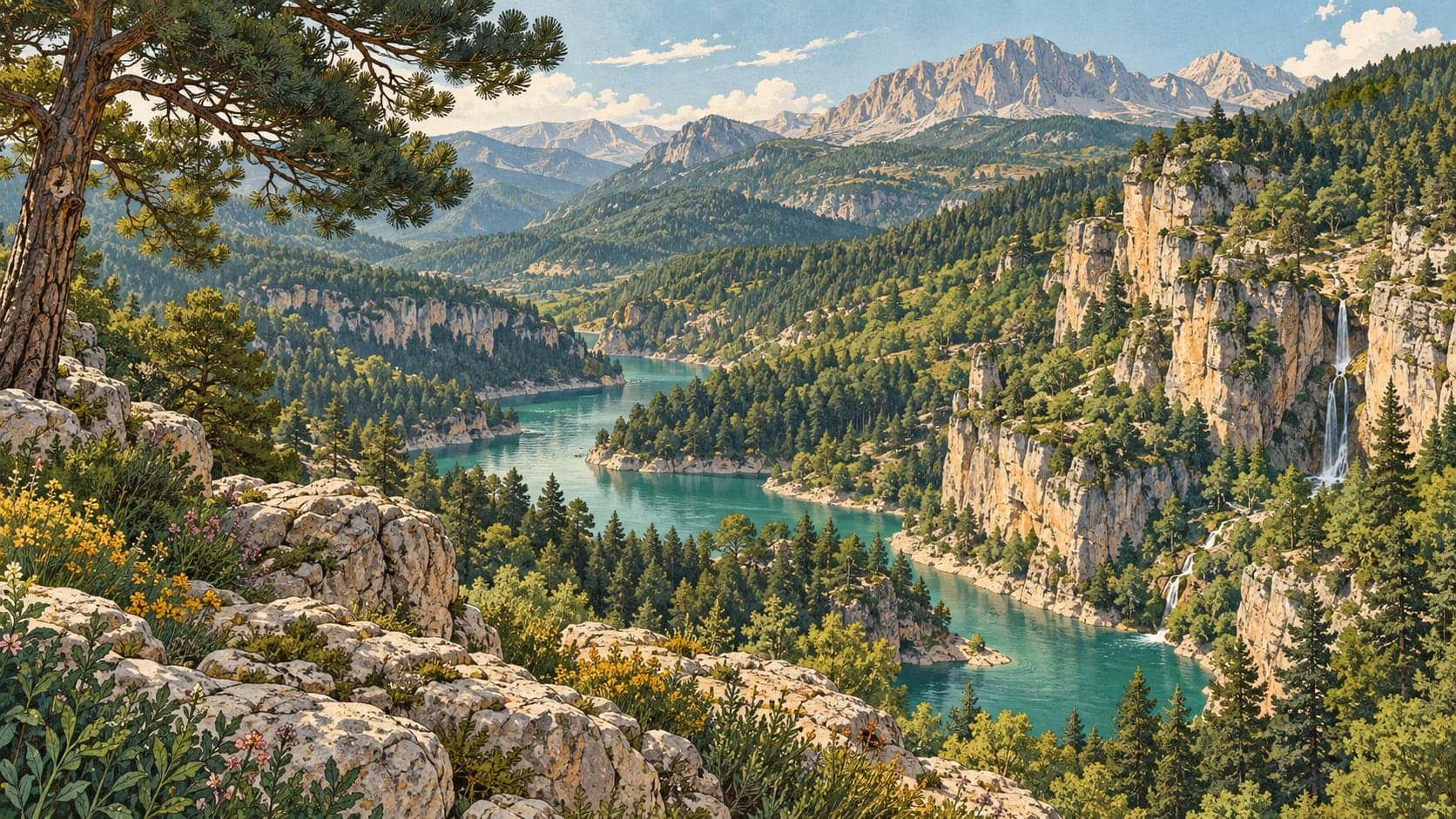
The rest is spread across the province and each piece stands alone: Başkonuş, a flat clearing ringed by forested slopes north-west of the city, used for camping and festivals; the Döngele springs west of it, left under water by the Sir dam and brought back into use; the Geben valley, made a national park in 2025, on the Anatolian Diagonal and rich in endemic plants; and the Yeşilgöz sinkhole in the Tekir valley on the Kayseri road. One entry cannot be visited at all — Körçoban is open only to scientific research and only with ministry permission, which is worth knowing before it is planned into a day. What each place is, and who says so, is on its own page.