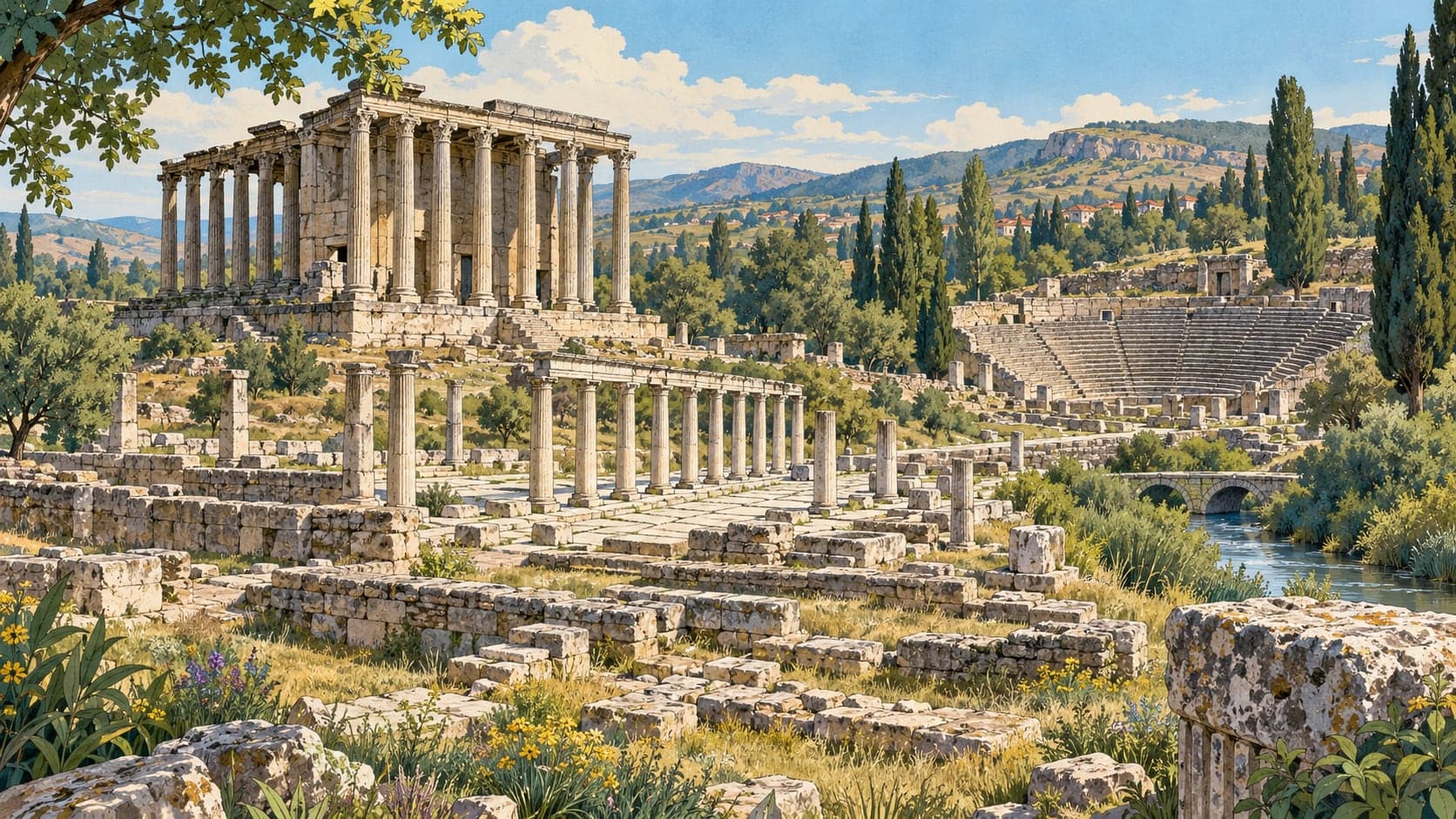
Our compilation for Kütahya, not an official route. Aizanoi, at Çavdarhisar, is the reason to come: a Phrygian city that ancient writers traced to the mythological Azan, a contemporary of Ephesos and Pergamon in age. It appears twice on our list, as two separate records, and we have not merged them.
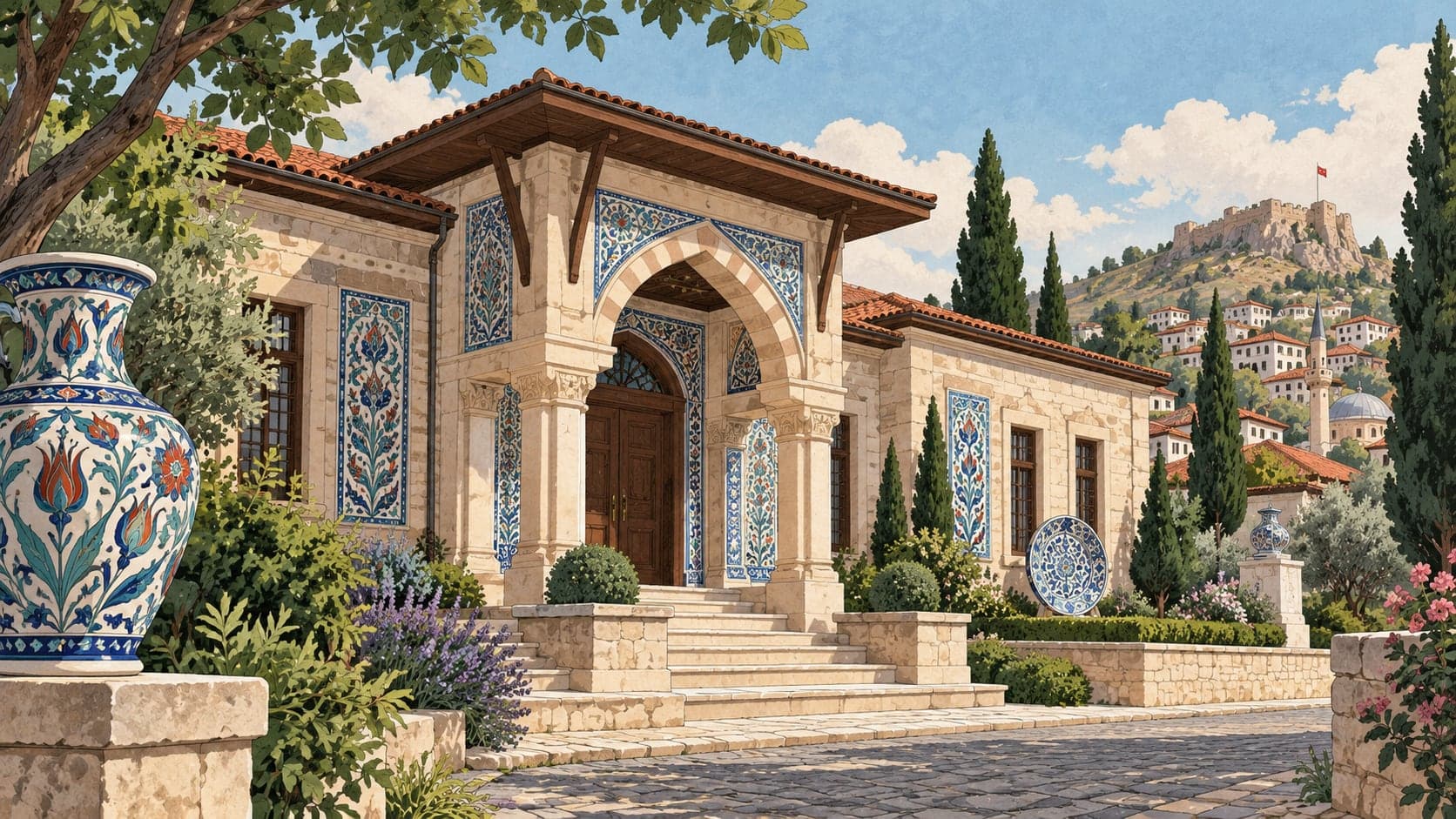
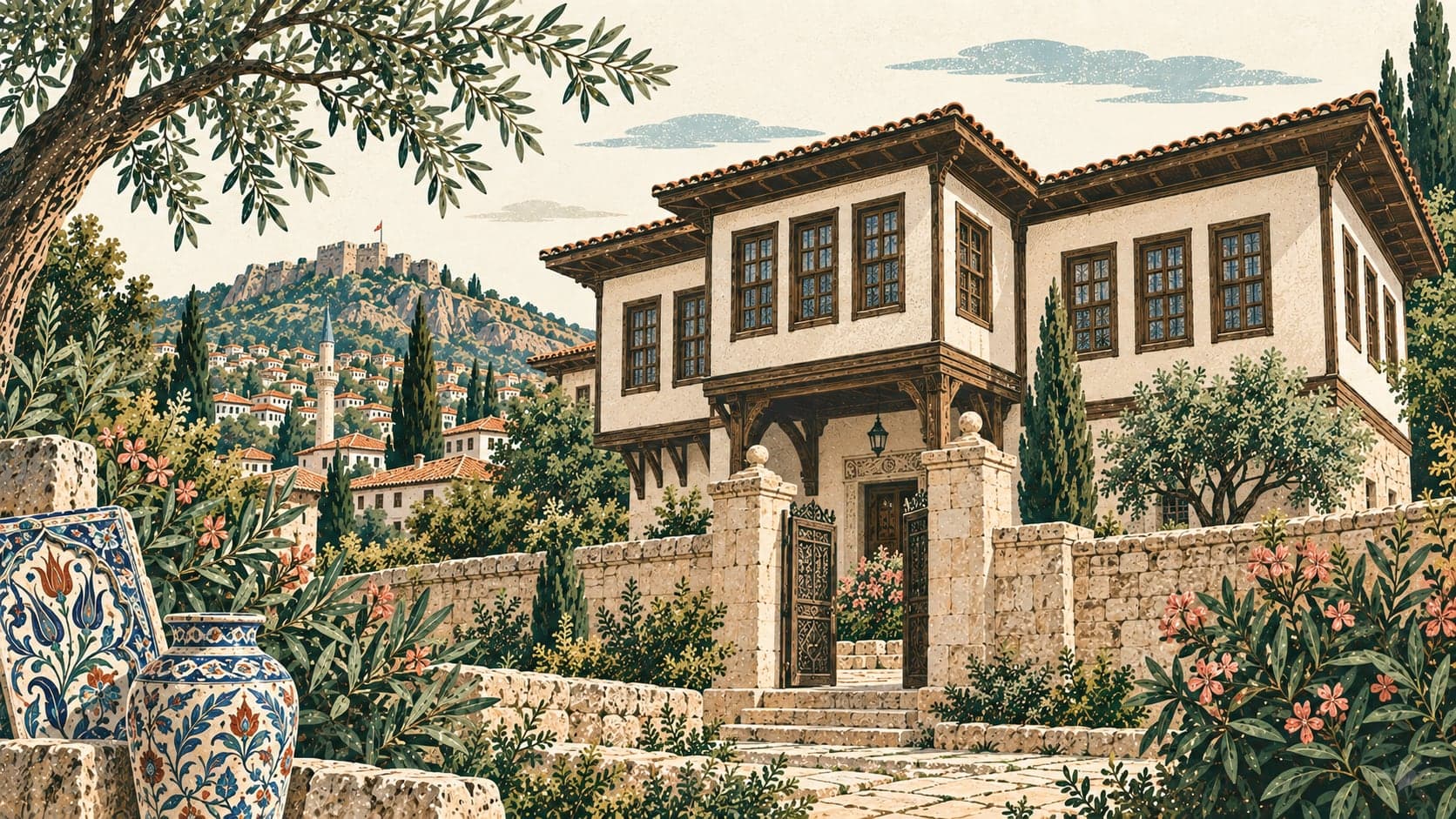
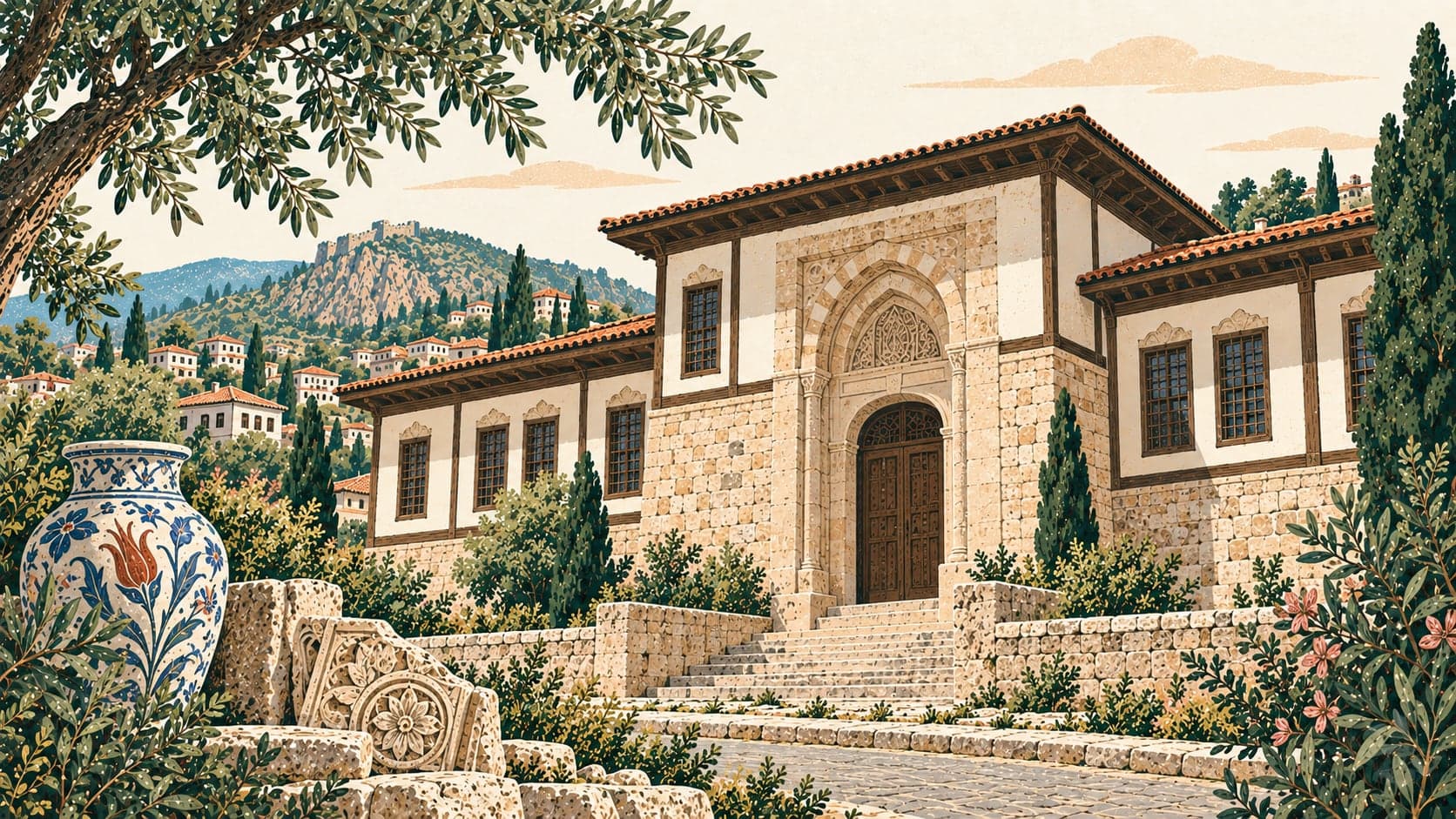
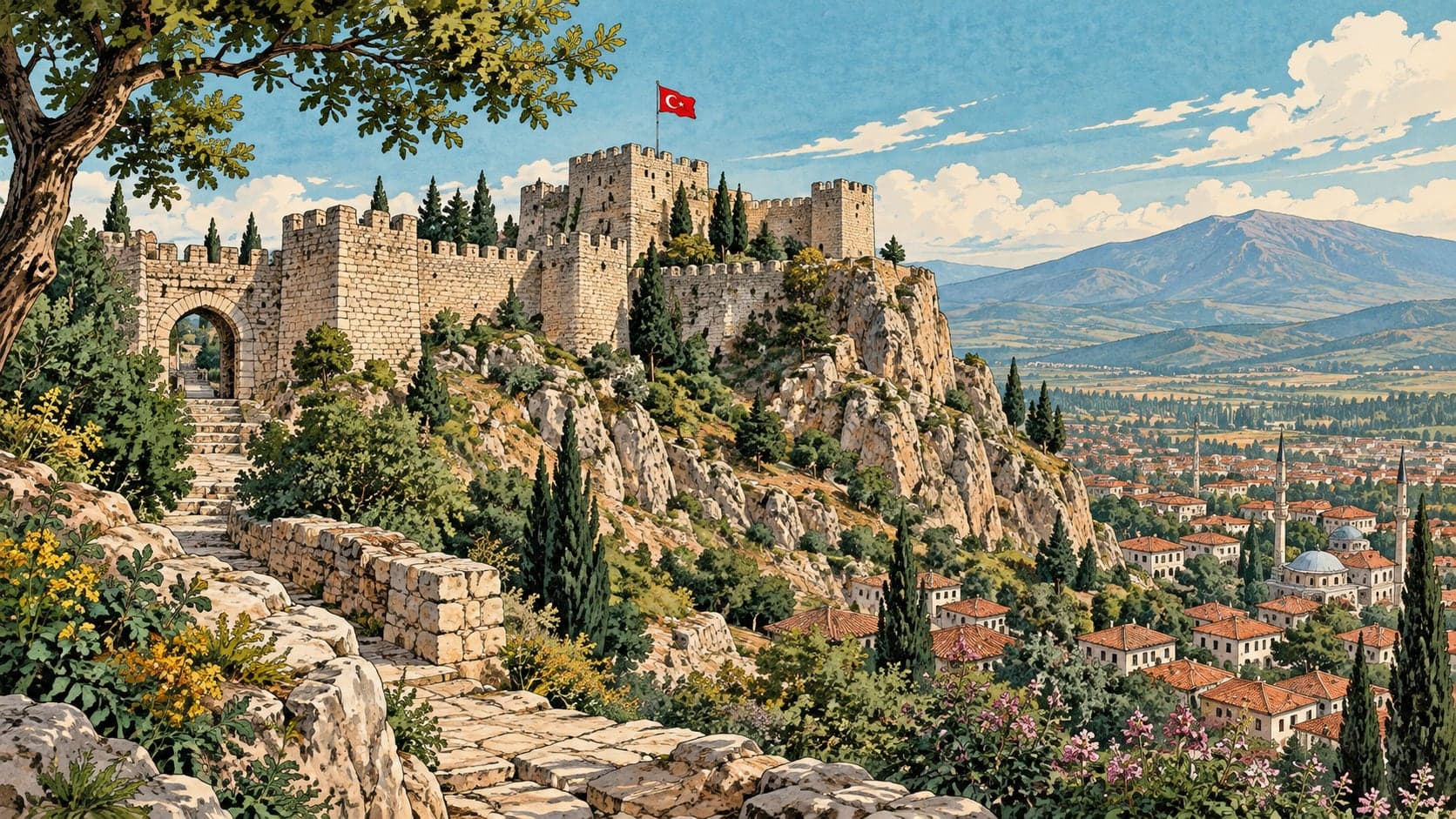
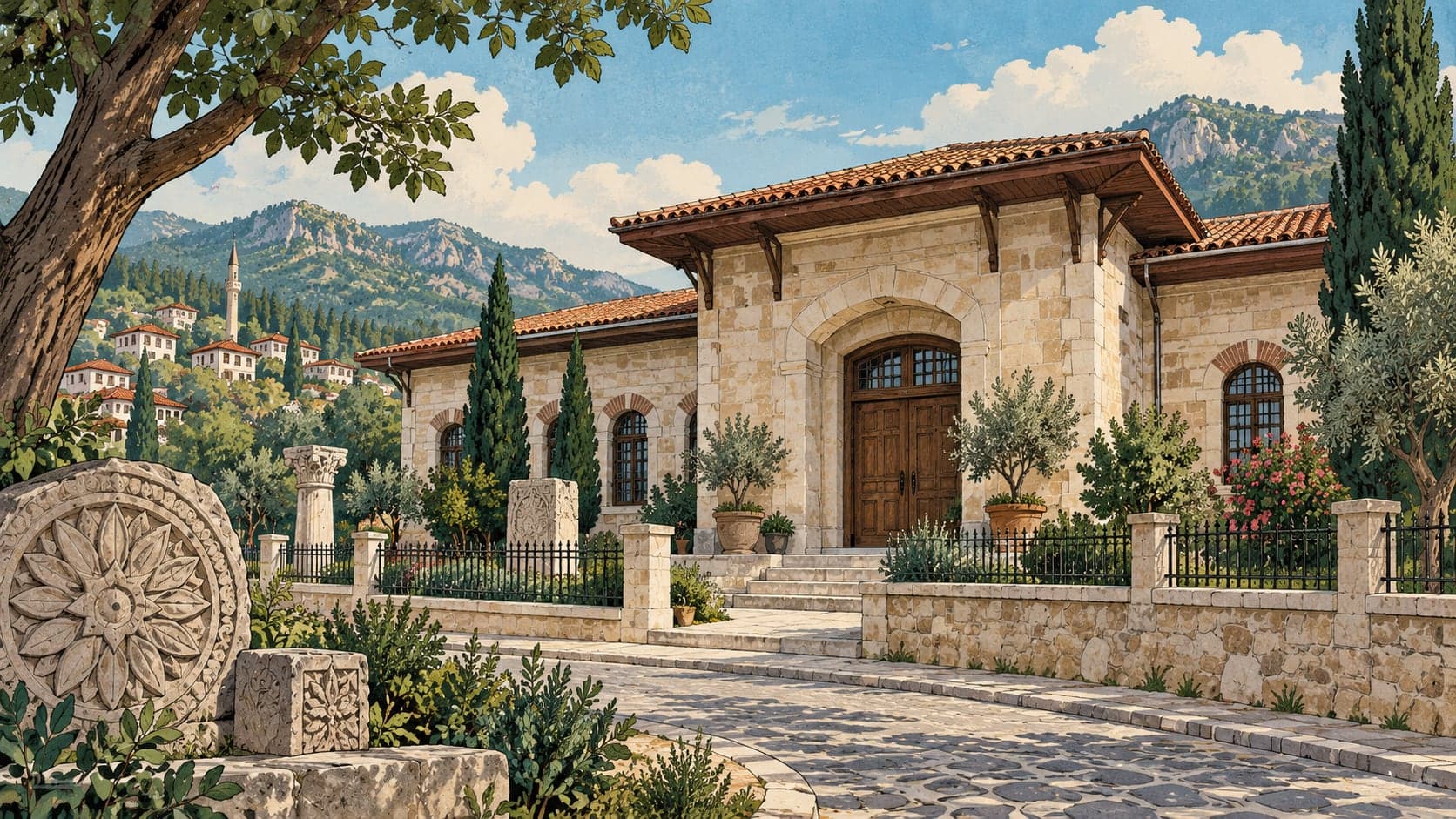
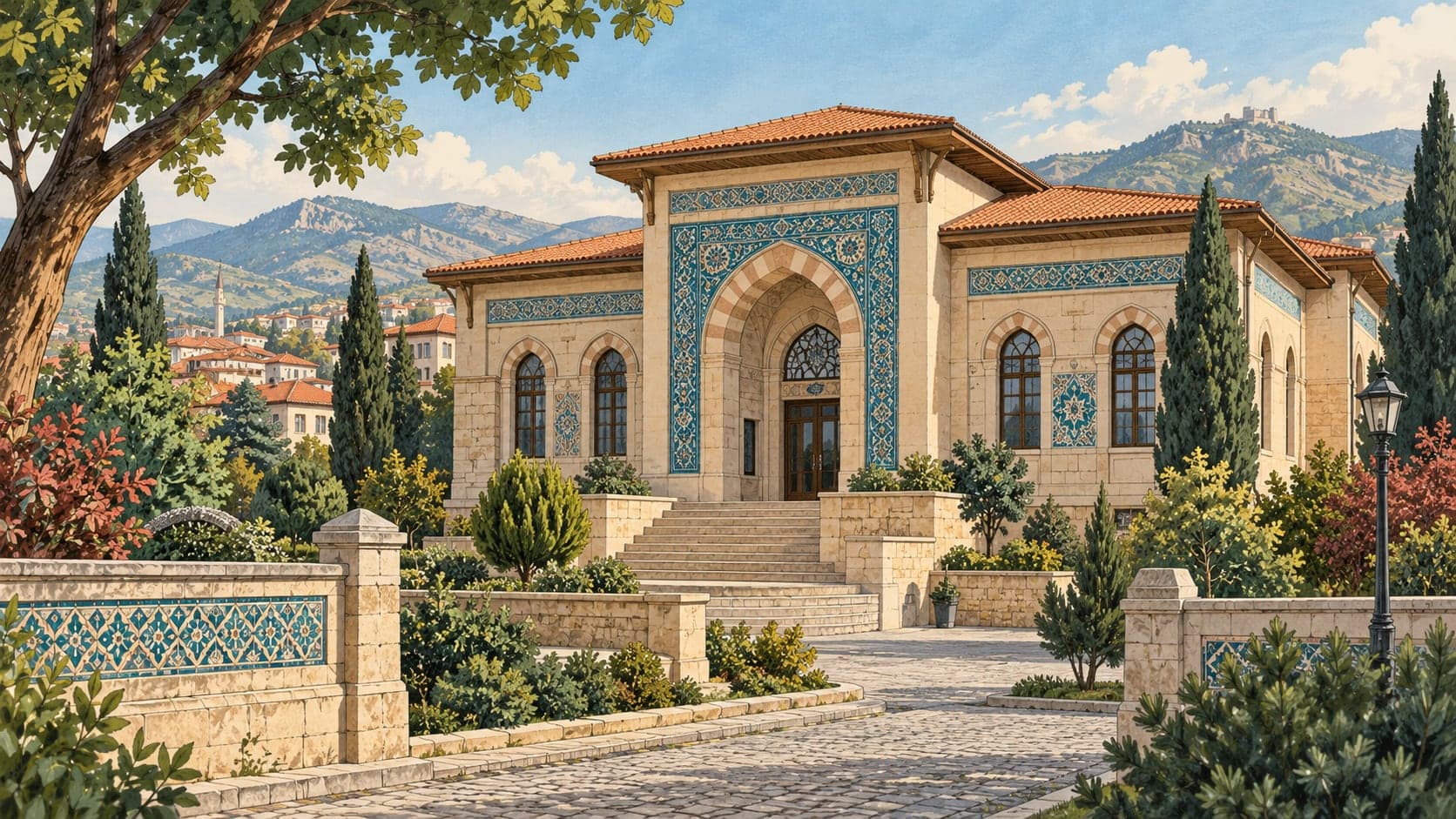
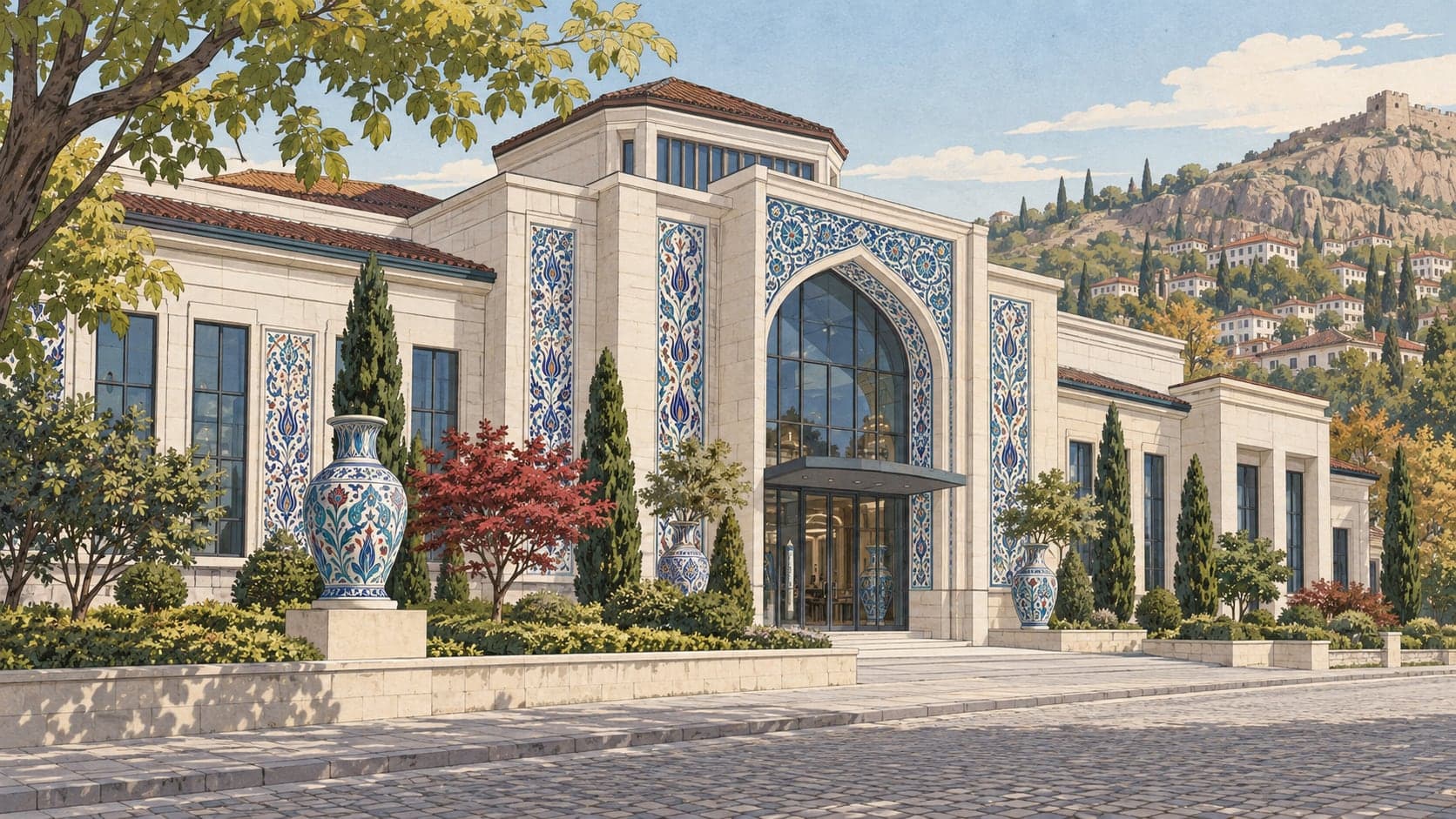
The city itself holds a compact group. The castle rings a sheer hill above the town within two circuits of wall, and the Kütahya Museum is housed in the Vacidiye medrese of 1314 beside the Great Mosque, its collection running from the Palaeolithic to the Ottoman centuries. Two small museums in the centre are given over to one person each: the tile master Sıtkı Olçar, in an annexe of the city history museum, and the painter Ahmet Yakupoğlu, in a building raised in the garden of the Çinili mosque on university ground. The Gülsüm Güral Museum is a few kilometres out along Atatürk Bulvarı.
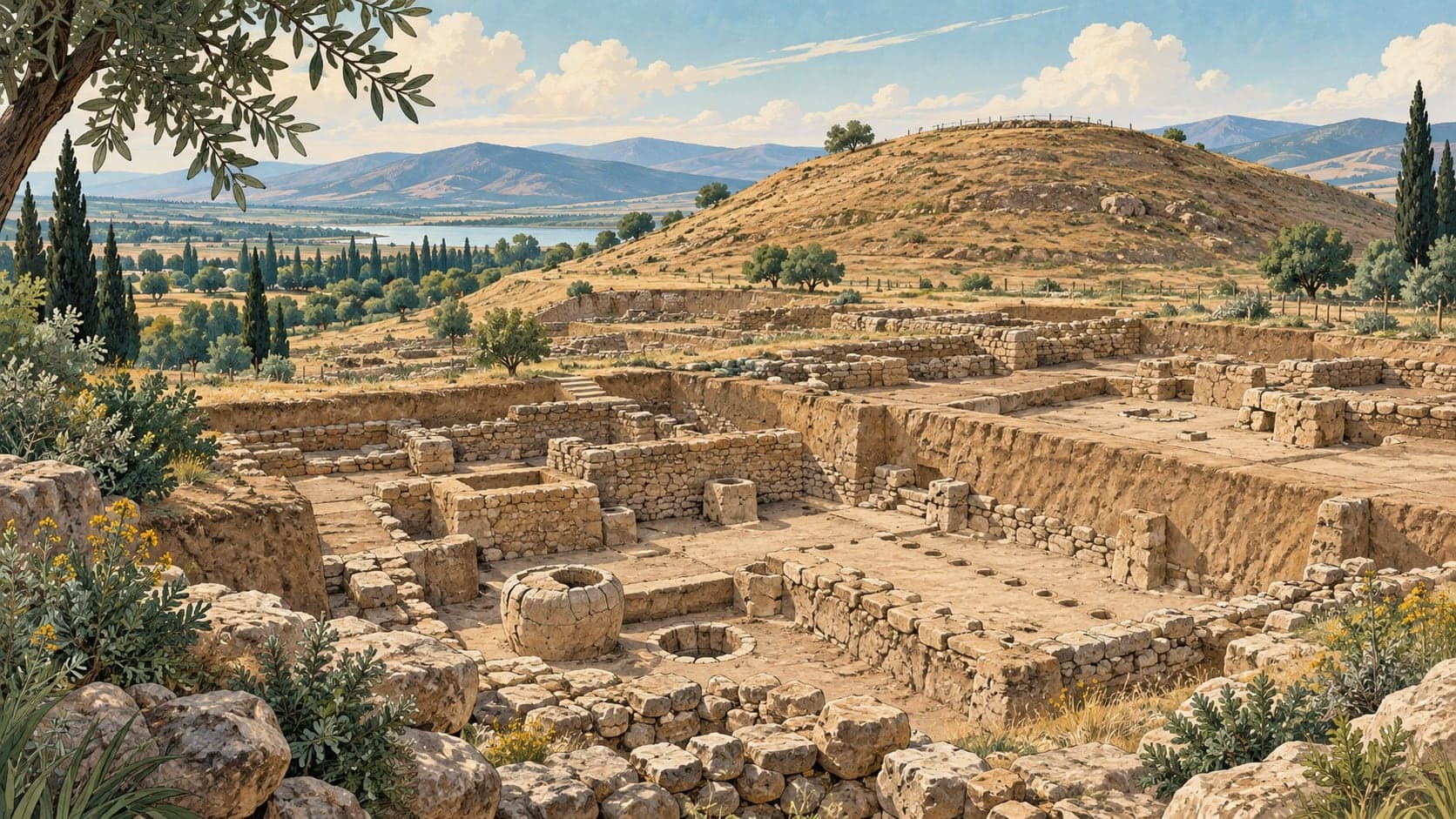
Two entries are about excavation rather than display. Seyitömer Höyük, north-west of the city, is a settlement mound inside the reserve land of a state lignite works, dug since 1989 with the works' own funding; the Dumlupınar University museum was formed out of what came from that mound, sat unused for years and came close to closing before the university brought it back.
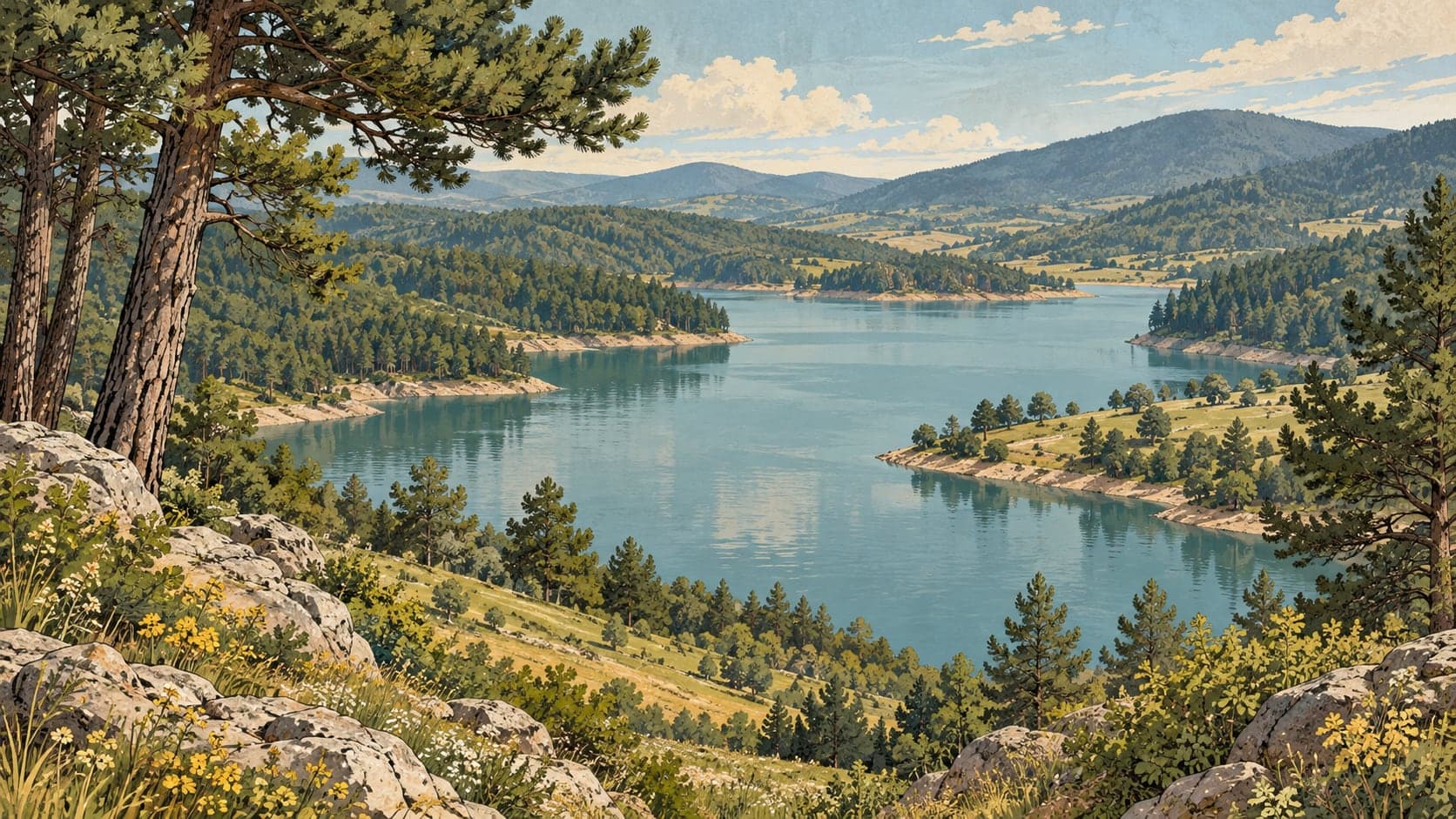
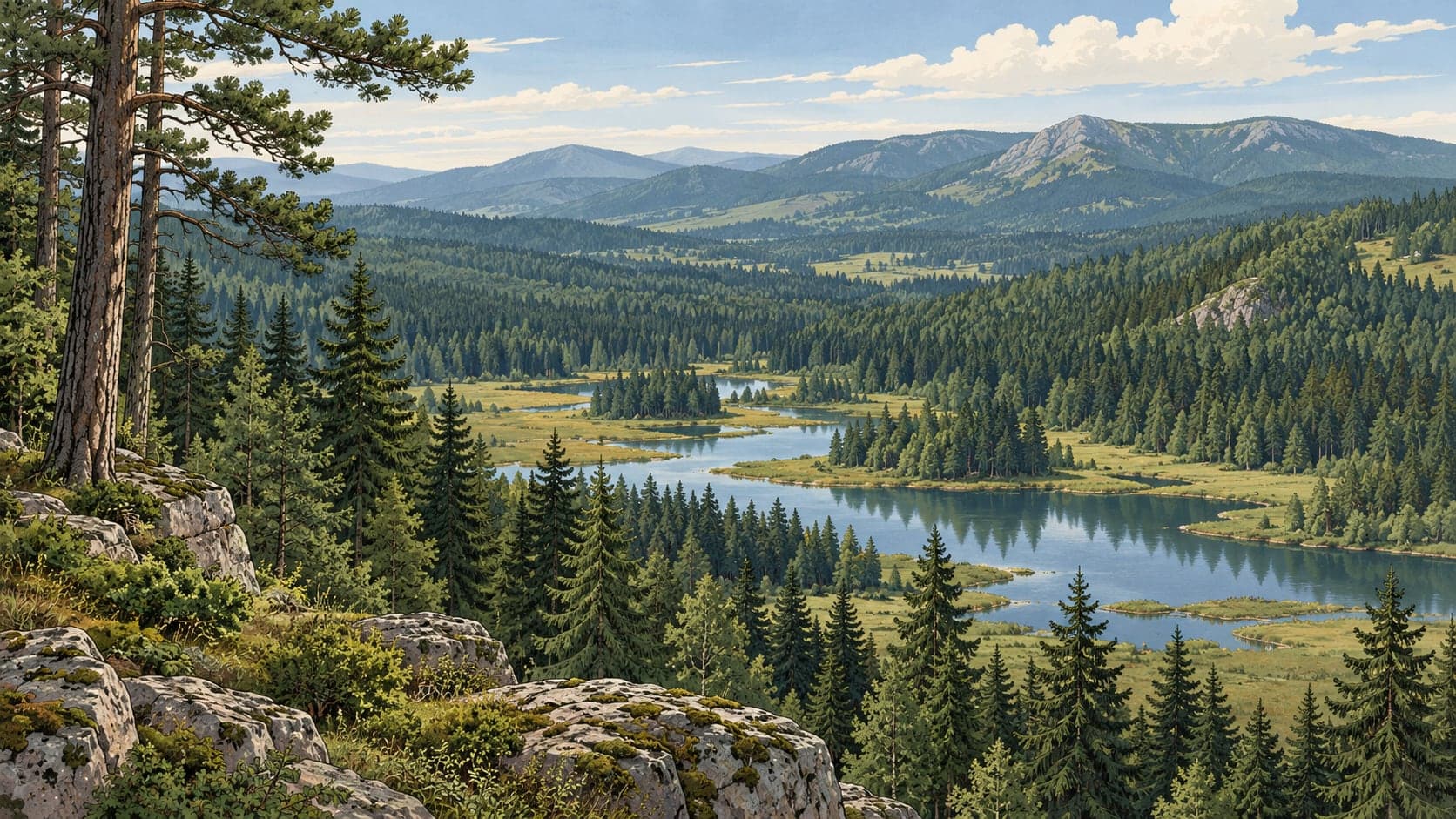
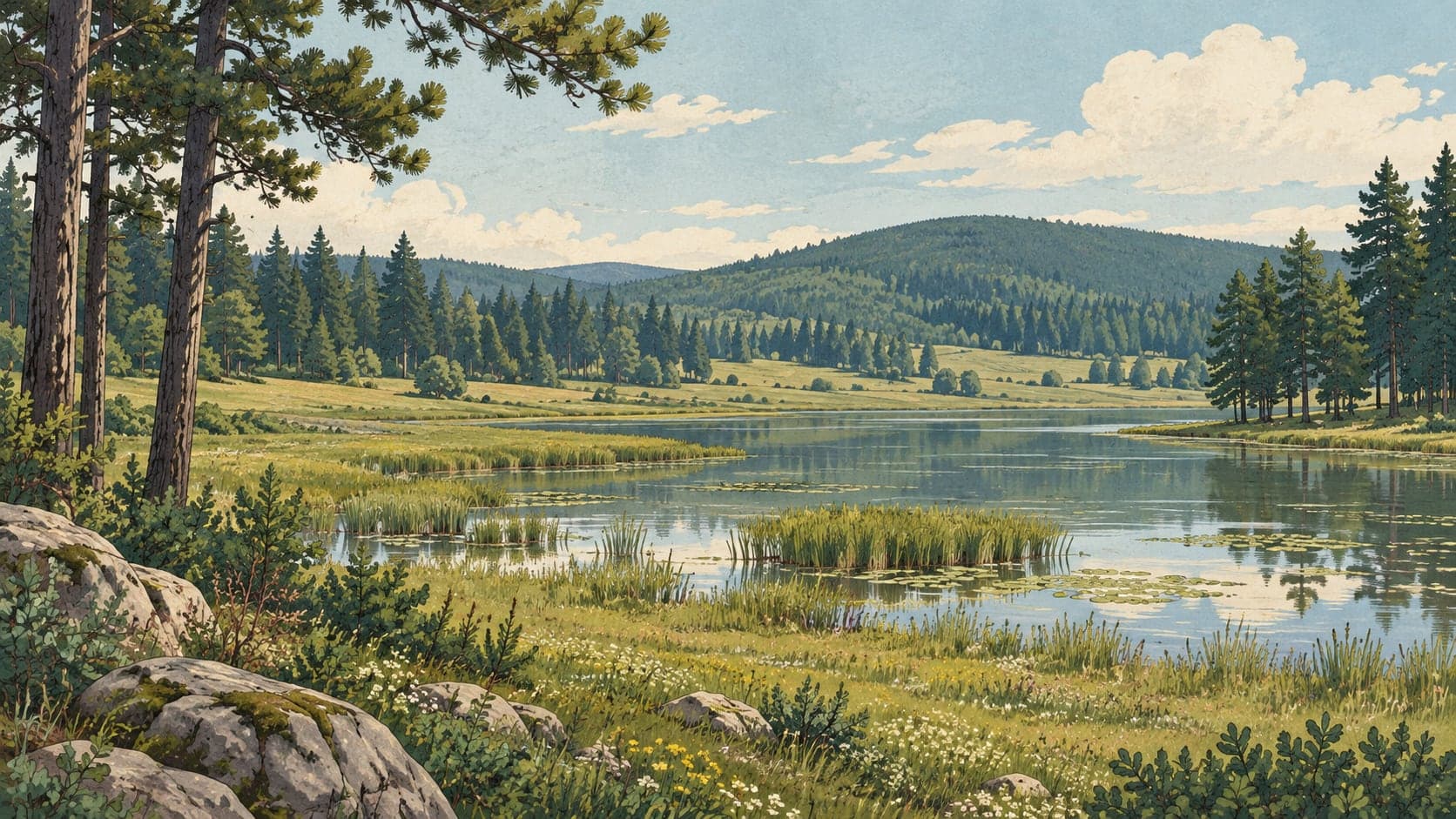
The outliers are the Enne dam park, a short way from the city and laid out for the people of Kütahya to picnic in; Topuk Yaylası, a beech woodland up at Domaniç; and the city museum at Simav, in a building that served as a primary school for eighty-five years until the earthquake of 2011. Where our inventory holds no position for a place, the grouping is a shape rather than a schedule. What each place is, and who says so, is on its own page.