Guide
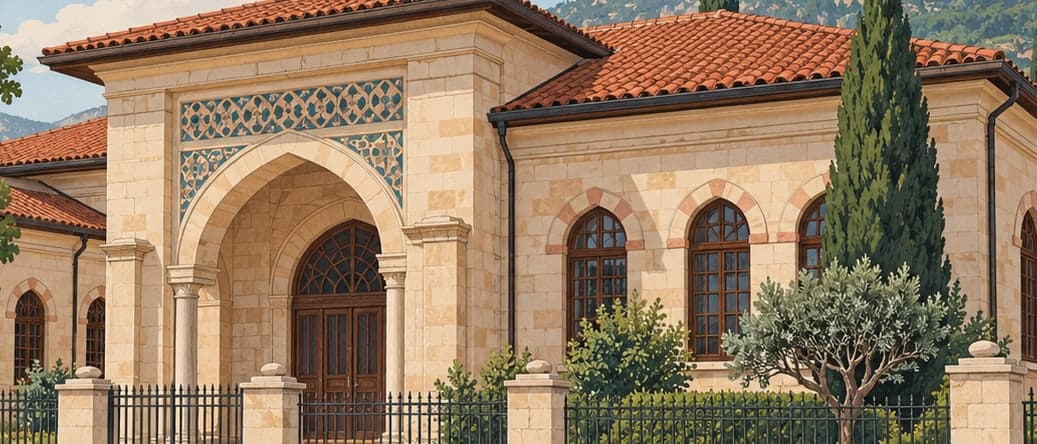
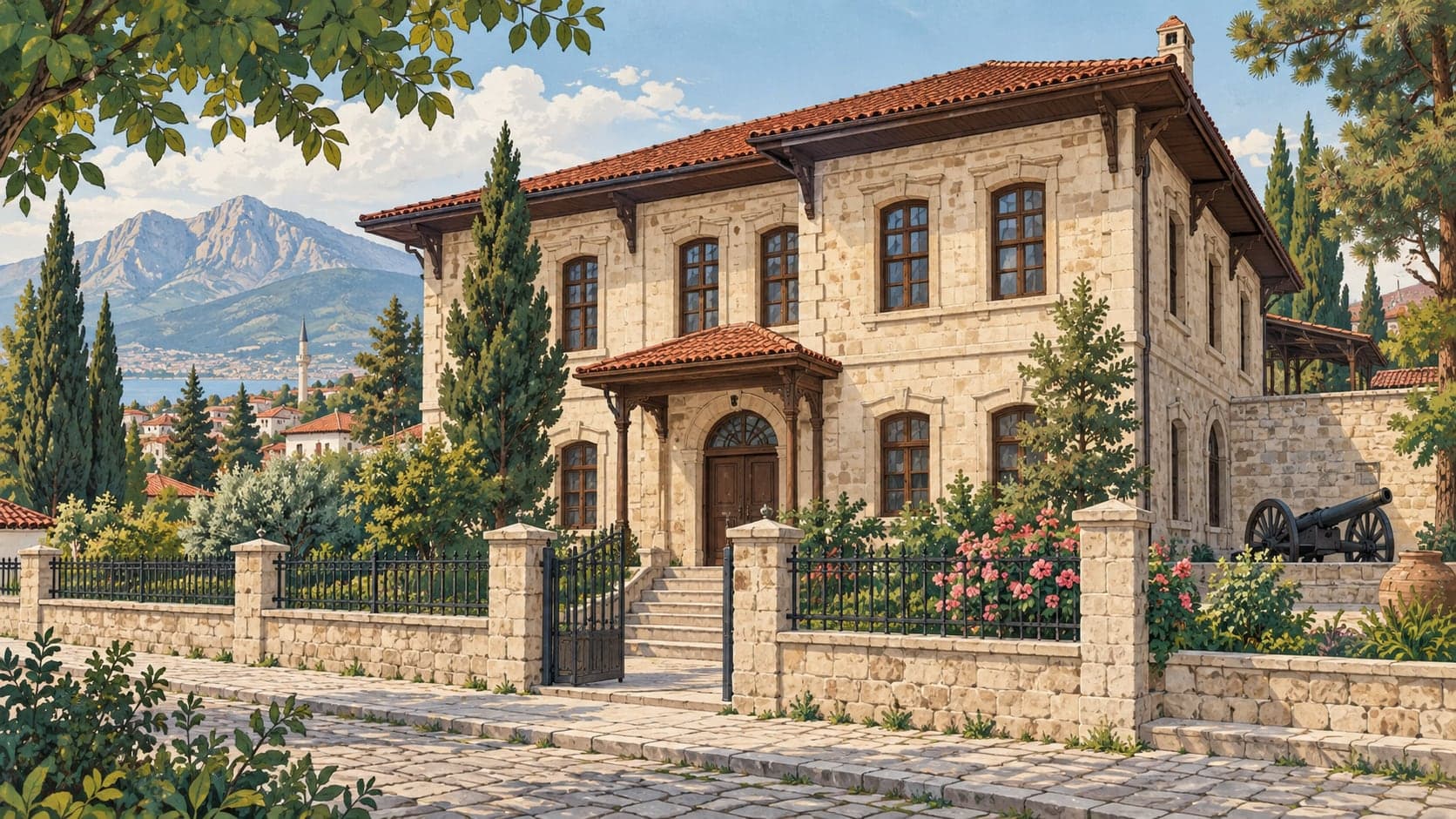
The building was put up in 1904–05 by the mayor of the day as a town hall. On 18 November 1921 it was assigned as headquarters to the Western Front Command, which had moved to Akşehir, and the command worked here until 24 August 1922. This is where the preparations and the plans for the Great Offensive were made and where the decision was taken.
It was transferred to the ministry in 1964 to be made a museum, repaired and arranged, and opened on 5 July 1966 as the Atatürk and Ethnography Museum. After further repair and rearrangement in 1981 it took the name Western Front Headquarters Museum; restoration and redisplay followed in 1988–1995 and again in 2001, and it reopened in its present form on 5 July 2001.
The ground floor is offices. Upstairs the display occupies a sofa and the eight rooms opening off it. In the central hall a panel carries photographs of Atatürk and İsmet İnönü taken in Akşehir, and the case at the centre holds the medals and citations of veterans from the town. The room to the left at the head of the stairs holds firearms and edged weapons thought to have been used in the War of Independence, a panel on the life of Hacı Bekir Sümer, deputy for Akşehir, and a rifle presented to him; the room opposite carries the biographies of officers who served at the headquarters and the records of some of the townspeople killed in the war.
Atatürk's working room, where the offensive was decided, is furnished with his own original things, with the war plans, documents and photographs on panels on the walls. Two further rooms hold original prints of photographs of him, passages from the Nutuk in his own hand, headquarters documents, photographs to do with aviation, and personal effects he used and was given after becoming president.
Visit status for this record: open to visitors.